
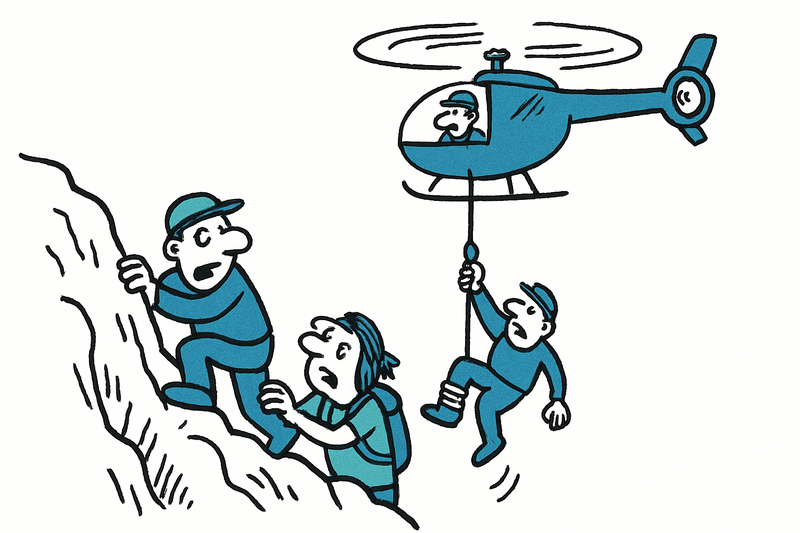
Dramatic Helicopter Rescue at Puig Major: Lessons from an Afternoon in the Tramuntana
Three hikers were recovered at Puig Major after a multi-hour helicopter rescue. The incident raises questions about preparation, trail marking and rescue infrastructure in the Tramuntana.
Emergency call above the Agulla des Frare
It sounded like it came from another part of the island: the distant thrum of a helicopter, the echo off the rugged walls, the crackling of dry gorse in the wind. Late in the afternoon the calls came in that make any rescue coordination center's pulse race: three hikers were stuck on Puig Major, the highest point of Mallorca. One with a leg injury, two others on an almost vertical rock face — on the route locals call Agulla des Frare.
Swift rescue, long work
The Guardia Civil immediately alerted the rescue helicopter; support came from the fire brigade and mountain rescue teams from Inca and Sóller (see Helicopter over Cala Deià: Rescue in the Tramuntana and the Uncomfortable Questions). What sounds like a dramatic scene from a film took hours in reality: approaches, reconnaissance, rope teams lowering rescue specialists and finally the pinpoint airlift. In the evening sun, with the scent of pine resin in the air, the teams were able to secure the three climbers and bring them down to the valley. A good outcome — but not without effort.
Why such operations happen more often
The Tramuntana is beautiful and capricious at the same time. Those who hike here expect silence, vastness and views that take your breath away. But the mountains often take it back when preparation is lacking. One central question remains: why do people risk their own safety and that of rescuers on routes they clearly underestimate?
Underestimated difficulty and digital pitfalls
Often it is a mix of overconfidence, poor information and trust in smartphone maps. A route description on a photo or a shiny Instagram shot disguises missing equipment and lack of alpine experience. Above 1,200 meters wind and visibility can change within minutes, and a narrow ridge suddenly becomes a trap — hikers are advised to consult official forecasts such as AEMET mountain weather warnings.
Difficult access — a logistical problem
The specific challenge at Puig Major: rock faces, steep slopes and a distance of about 150 meters between the injured. Such scenarios demand routine in alpine rescue, additional equipment and time. The public debate rarely highlights how much these operations strain local rescue teams — in personnel, financially and emotionally (see 115 Rescue Missions, Hot Trails: Why Mallorca's Mountain Rescue Got Busier — and What Helps Now).
What is rarely said
Public warnings often boil down to: "Be well equipped." But less discussed is who bears responsibility when tourist groups hike without a guide, or how patchy trail markings remain in key areas. Also seldom addressed is the time pressure on rescue teams during peak season, when more emergency calls come in and operations multiply (see Four missions in one day: How fit is Mallorca's mountain rescue?).
Lack of infrastructure and information gaps
Some trails are marked in an outdated way, others not at all — especially in remote sections of the Tramuntana. Mobile coverage gaps are common; GPS can be wrong, and emergency apps do not work reliably everywhere (or, when needed, people can contact Spain's 112 emergency service). The result: longer search times, riskier maneuvers and greater strain on pilots and mountain rescuers.
Concrete proposals instead of general warnings
The recent rescue shows: warnings alone are not enough. We need concrete rules and services that do not take away anyone's freedom but increase safety. Some possible measures:
1. Better local information points: Signs at trailheads with precise difficulty ratings, up-to-date weather notes and contacts for local mountain guides.
2. Promotion of guide services: Subsidized guided tours for uncertain hikers that strengthen the local economy and reduce risks.
3. Expansion of voluntary reporting chains: Simple registration of tours (online or at the tourist office) — no bureaucratic hassle, but a safety net for search operations.
4. More training for volunteers: Additional training for community volunteers and forestry staff so first aid and securing measures take effect faster.
5. Education instead of bans: Campaigns in several languages with local context: How does the Tramuntana really behave on a changeable afternoon?
An afternoon with a happy ending — and a task
The three rescued returned to the valley; conversations at the bars in Sóller and Inca will surely follow — questions about decisions, equipment, a few mocking remarks about selfies at the edge. The rescue was successful. But the operation also leaves a balance sheet: we are not only guests in paradise, we are also responsible for how we enter it.
The sound of the helicopter fades, the goat bells chime again, the wind carries the scent of thyme over the mountains. A reminder: respect for the Tramuntana protects not only hikers but also those who come to their aid.
Frequently asked questions
Is hiking in Mallorca’s Tramuntana safe for inexperienced walkers?
What should I check before hiking in Mallorca’s mountains?
Why are helicopter rescues so common in the Tramuntana, Mallorca?
What should I do if I get lost or injured while hiking in Mallorca?
Is Puig Major in Mallorca open to hikers?
How can tourists avoid mountain rescue situations in Mallorca?
Do you need a guide for hiking in Mallorca’s Tramuntana?
What makes mountain weather in Mallorca change so quickly?
Similar News
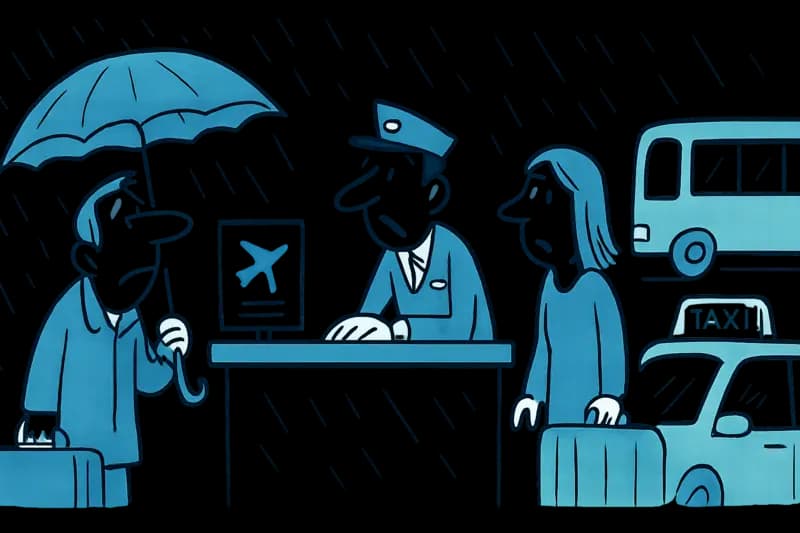
Severe weather disrupts flight schedules: Palma Airport faces delays and cancellations
Heavy rain and poor visibility thinned out flight operations in Palma on Sunday: flights to Barcelona and Menorca were c...
Autumn Fairways: MM Autumn Trophy at T-Golf Palma in Puntiró
Almost 100 golfers, a dry morning despite rain forecasts, Schwaiger's halfway station and a raffle — the MM Autumn Troph...

The "Bierkönig" Case of 1997: A Mallorca Mystery Returns to Television
Almost 30 years after the triple murder in S'Aranjassa, a German TV program is bringing the case back into the public ey...
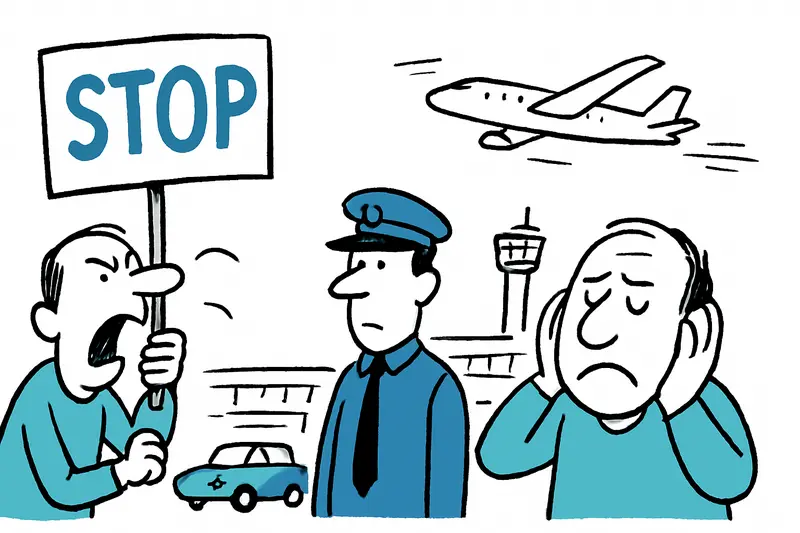
Who decides over Mallorca's airports? A reality check after the demo in Palma
Hundreds of people marched through Palma, demanding fewer flights, an end to night flights and more say in decisions. Wh...
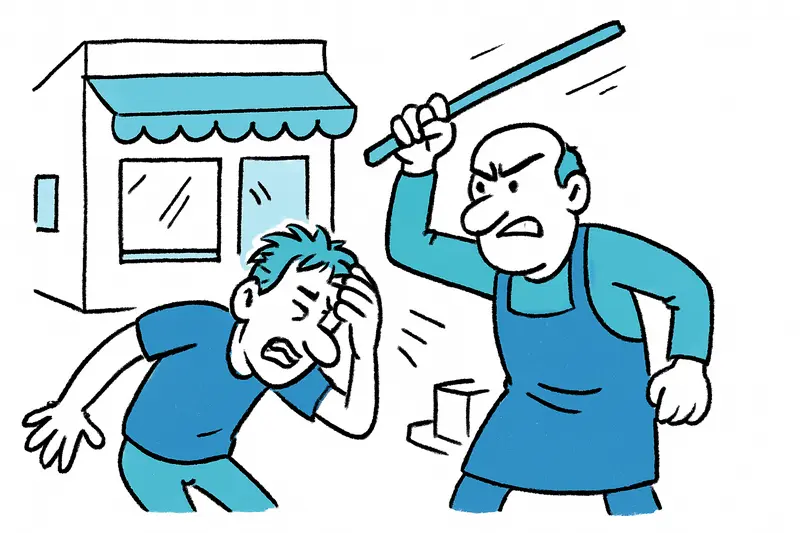
When a Shop Becomes a Scene: Violence in Son Gotleu and the Consequences for the Neighborhood
A shop owner in Son Gotleu beat a teenager with a metal bar. What lies behind such an escalation, and what is missing in...
More to explore
Discover more interesting content

Can Cap de Bou

Townhouse Lleo 72
