
How Burglars Test Fincas in Mallorca — and What You Can Do About It
How Burglars Test Fincas in Mallorca — and What You Can Do About It
The Spanish National Police warn of a simple but effective trick: small markings on doors reveal whether a finca is occupied. A reality check with everyday scenes, gaps in the discussion and concrete measures.
How Burglars Test Fincas in Mallorca — and What You Can Do About It
A simple trick, big danger: Why you should keep every front door in view from now on
Key question: How can homeowners in Mallorca recognize whether burglars are marking their home — and what really helps to see through the trap? The Spanish National Police have warned about a surprisingly simple method that perpetrators use to find out whether a finca, a town house or a holiday apartment is currently empty. It sounds banal, but it is effective.
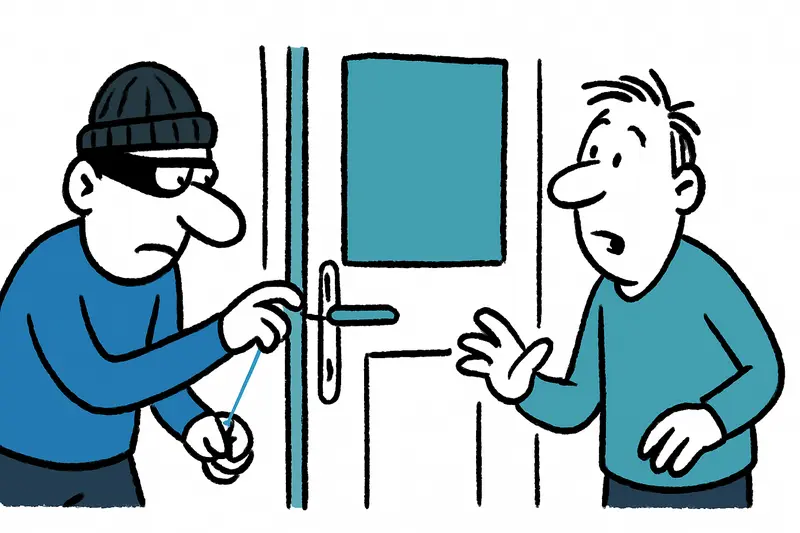
Critical analysis: Perpetrators work with millimeter precision. They attach barely visible silicone threads, small pieces of paper or plastic to door frames, roller shutter boxes or front door locks. If the marking remains intact for days, they assume that no one comes in or out — a potential target. If the marking is gone, it was apparently opened. At first glance it sounds like a stupid trick, but its strength lies in its invisibility, similar to other incidents such as Raid in Palma: Specialized keys, disguises — and many unanswered questions.
What is missing in public discourse: there is a lot of talk about alarm systems, cameras and police presence. Hardly discussed, however, is how small behavioral changes, simple checks or neighborhood coordination can deprive such methods of their effectiveness. Also rarely addressed is the role of landlords and property managers: those who look after holiday guests have the duty to introduce clear handover routines and visual checks on departures, as highlighted by The 'Defective Key' Trick: How a Hotel Thief Exploited Palma, Ibiza and Madrid. Here there is a gap between security recommendations and everyday reality.
Everyday scene from Mallorca: Imagine the early morning on Passeig Mallorca. Taxis honk, the smell of coffee mixes with sea air. In the countryside, in Santanyí or in Valldemossa, the fincas still lie quiet in the late summer heat. The neighbor does his usual round, checks the mailbox. The same eye that notices a broken gutter overlooks a wafer-thin silicone thread on the door frame — that is how the opportunity for burglars arises.
Concrete solutions: In the short term, simple routines can be established. When returning to the finca, check door frames, roller shutters and entrance areas for foreign threads or sticky pieces. Photograph suspicious spots with your phone; a comparison after one or two days reveals changes. Agree with trusted neighbors to check the front door morning and evening during absences. If you have visitors or holiday guests: written handover checklists with visible control points reduce gaps, and this is important because offenders sometimes pose as tourists, as shown in Disguised as a Tourist: How an Alleged Thief Stole Suitcases and Watches in Palma.
Technical measures complement this: motion detectors at driveways, simple exterior lighting with a timer, and a clearly visible sticker from an alarm company or neighborhood group often deter. Cameras are useful but do not replace checks. Pay attention to data protection when installing: exterior cameras must not continuously monitor public areas. A cost-effective alternative are battery-powered sensors that report unusual movements via an app.
Organizationally, neighborhood spirit helps. In villages like Bunyola or along the country road toward Llucmajor, homeowners increasingly talk to each other; shared WhatsApp groups or a notice in the supermarket can quickly spread alarm signs. Local managers should pass on arrival and departure dates of their guests at least 24 hours in advance so that neighbors can check deliberately.
What the police recommend and what you can do concretely: The National Police advise increased vigilance and reporting in case of suspicion. Report unusual markings or recurring unknown people on your street to 062 (Guardia Civil) or via the local police station. Note license plates, time and direction. Factual information helps investigators more than conjecture.
Practical everyday rules to take away: 1) Do a quick visual check of the front door every time you leave the finca. 2) Photograph distinctive spots when you are absent for longer and compare. 3) Coordinate absences with neighbors or managers. 4) Use simple technical aids (lighting, motion detectors). 5) Report anything unusual to the police immediately.
Pointed conclusion: The thread trick is simple, but it works in the routine of our island life. Whoever sharpens the long view — the neighbor, the manager, the holiday guest — takes the profit zone away from perpetrators. Security in Mallorca is not a luxury project but a small daily habit: look at the door, plan the lighting, inform neighbors. That can make the difference.
Frequently asked questions
When is Mallorca's best time for outdoor activities like hiking and cycling?
Is swimming possible year-round in Mallorca?
What should I pack for a trip to Mallorca?
Are there family-friendly beaches in Mallorca?
How can I get around Mallorca without a car?
What are must-see sights in Mallorca?
What kinds of outdoor activities are popular on the island?
Are there seasonal events or markets I should catch in Mallorca?
Similar News
When the Handyman Came: How an Engagement Ring Disappeared in Mallorca and What It Says About Trust
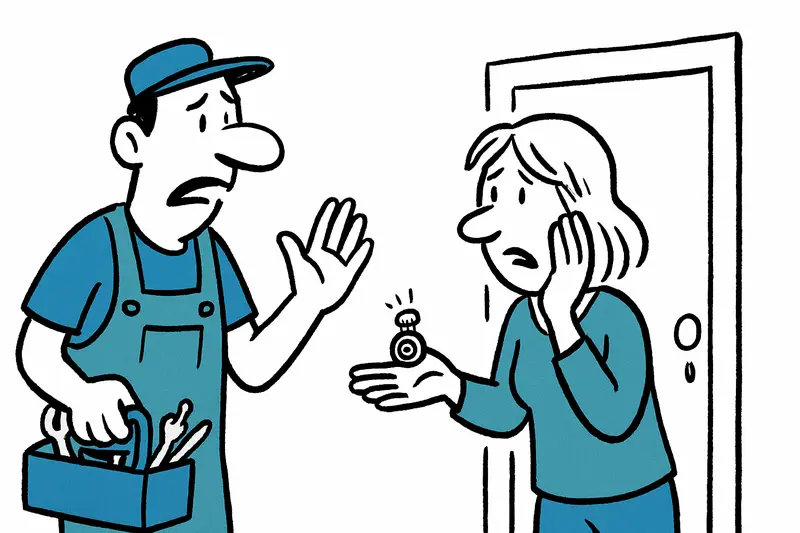
During a repair in Andratx a highly personal engagement ring went missing — a case that calls not only for punishment bu...
Palma doubles blue zone: What this means for residents, tourists and narrow streets
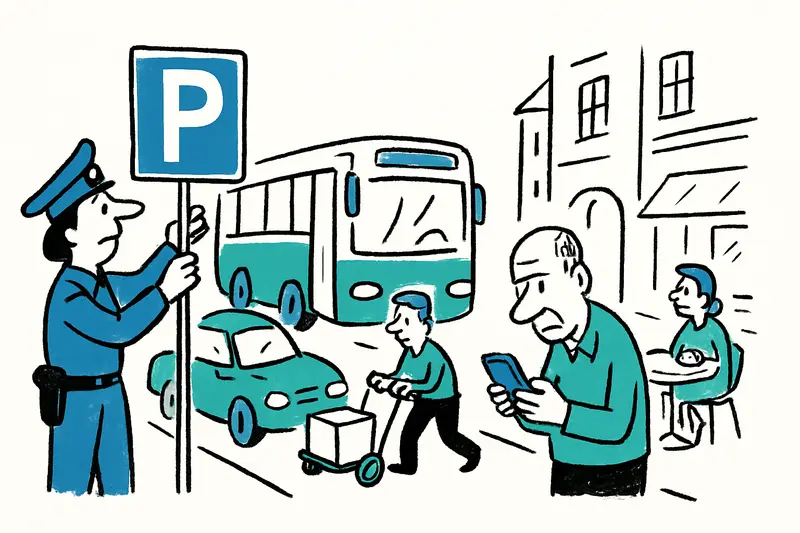
From 1 January 2027 Palma's ORA area will grow from around 12,000 to 24,000 spaces. Key question: Will the expansion bri...
Engagement ring disappears during repair: court upholds prison sentences for plumber and partner
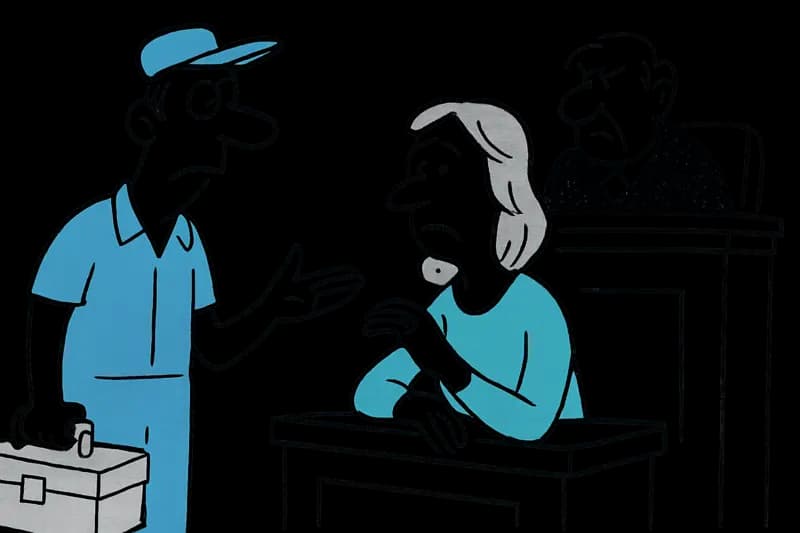
During a heating repair in an apartment in Andratx an engraved engagement ring disappeared. After a trace to a pawnshop ...
Unknown Suitcase Stops Ibiza Jet: Why a Security Gap Sent Travelers into the Night
A Eurowings flight from Ibiza to Düsseldorf had to divert to Toulouse because a checked bag could not be linked to any p...

Few Visitors on the Paseo Marítimo: Up to a 30 Percent Drop — and What Needs to Happen Now
This summer on the Paseo Marítimo ended markedly weaker than usual: businesses report revenue losses of up to 30 percent...
More to explore
Discover more interesting content

Can Cap de Bou

Townhouse Lleo 72
