
Disguised as a Tourist: How an Alleged Thief Stole Suitcases and Watches in Palma
Disguised as a Tourist: How an Alleged Thief Stole Suitcases and Watches in Palma
The National Police arrested a man who, investigators say, posed as a tourist and stole valuables worth more than €18,000 from hotels and restaurants in Palma. What went wrong, and how can guests and businesses protect themselves?
Disguised as a Tourist: How an Alleged Thief Stole Suitcases and Watches in Palma
Key question: How could a single person repeatedly steal from guests without being noticed — and what does that mean for security in Palma's hotels?
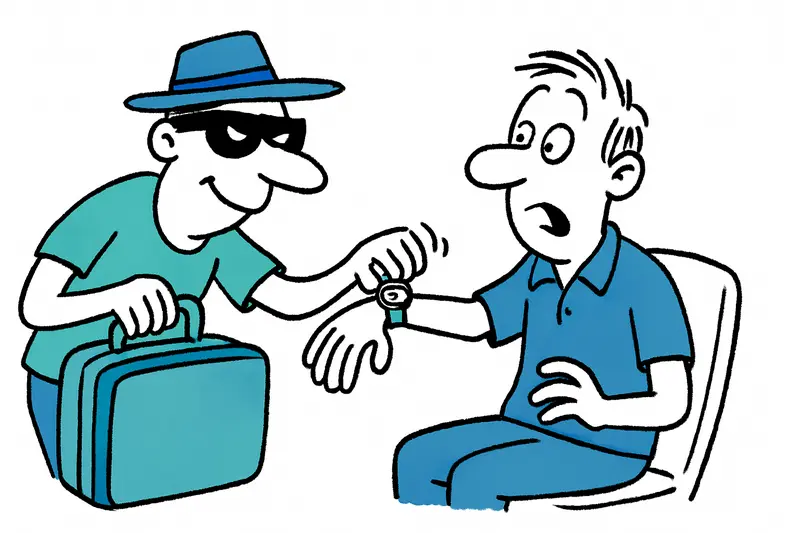
Officers of the National Police in Palma arrested a man in early December who, according to investigators, is said to have stolen from guests in several central hotels and on restaurant terraces last November. The reports came from foreign visitors who noticed at check-in or during their stay that high-end watches, handbags, wallets, music players and larger amounts of cash in foreign currency were missing. Altogether the victims speak of losses of more than €18,000.
After matching several reports, investigators concluded that the same modus operandi was used: the suspect is said to have posed as a tourist, a tactic seen in Disguised as a Guest: Con-Artist Spree Hits Mallorca's Hotel Industry and deliberately adapted his appearance to the surroundings so that he seemed harmless. He apparently took advantage of moments when guests were distracted — at check-in, chatting on terraces or when staff were occupied with other tasks — to appropriate valuables and then leave inconspicuously. According to the statement, the alleged perpetrator was arrested near one of the affected hotels and taken to the police station.
Critical analysis: It is not unusual for pickpockets to operate with a "harmless" appearance. On Mallorca, tricks adapted to tourist bustle keep recurring, as in the The 'Defective Key' Trick: How a Hotel Thief Exploited Palma, Ibiza and Madrid. Hotels with open lobbies, busy terraces on mild winter days and queues at reception provide ample opportunity for distraction. The problem appears on two levels: first at the interface between guest behavior and service routines, and second in how quickly and tightly measures are used to detect and rule out suspicious behavior.
What is often missing in public debate: concrete tips for guests on how to increase their everyday security, and clear minimum standards for hotels. There is much talk about cameras and police presence, but too rarely about how staff should be trained, how check-in processes can be designed, and which simple precautions travelers themselves should take. Whoever stands at the counter with open bags or carries valuables visibly in hip pouches makes it easier for offenders — unpalatable, but realistic.
A typical scene in Palma that illustrates the problem: it is early afternoon, pedestrians stroll along the Passeig des Born past shop windows, church bells ring in the old town, thin clouds drift over the cathedral. A small queue forms at a hotel reception, snippets of English, German and Spanish mix together. A man with sunglasses and a rolling suitcase gauges levels of attention with a calm expression — just when the family behind him is sorting photos, the opportunity arises. Such moments can be found in many corners of the city: Plaça Major, Paseo Marítimo or small terraces in Santa Catalina.
Concrete solutions: hotels and restaurants should act preventively rather than only react. This includes training for reception and service staff, discreet notices for guests at check-in (for example clearly visible, friendly reminders about storing valuables), the option to deposit smaller valuables securely in a safe at the reception, and regular visual checks of bags in high-traffic areas. Technical measures such as clearly positioned cameras are important, but they do not replace human attentiveness. For the police, faster information channels between businesses and patrols make sense: a local reporting network via a messenger service or a contact person at the responsible police station who can collect recurring patterns.
Simple rules also apply to travelers: do not leave valuables unattended, keep documented photos and serial numbers of valuables ready, spread cash across several places and file a report immediately if you suspect theft. A calm but firm request to staff in unusual situations can already have a deterrent effect.
Conclusion: The arrest shows that investigations can be effective when reports are consolidated and patterns are recognized. For Palma, however, this does not mean resting on one's laurels. A pragmatic trio is needed: better training for hotel and restaurant staff, clear guidance for guests and closer coordination with the police. Only in this way can opportunistic thieves be disrupted where they still too often remain undisturbed.
Frequently asked questions
How can valuables go missing in Palma hotel lobbies without anyone noticing?
What should I do if my watch, wallet or cash is stolen in Mallorca?
Are hotel thieves in Palma known to dress like tourists?
What can hotels in Palma do to reduce theft from guests?
Is it safe to leave luggage or bags unattended on restaurant terraces in Palma?
What is the best time to be extra careful with valuables in Palma?
Should I keep cash and cards in one place when travelling to Mallorca?
Where in Palma do theft risks seem higher for tourists?
Similar News

After Being Admitted to Hospital Again: Heinz Hoenig and the Questions We Should Ask in Mallorca
Long-time Mallorca resident Heinz Hoenig was admitted to hospital again. A clear “what next?” is missing from the covera...
Yellow Alert: Is Mallorca Prepared for the Next Rain Band?
Aemet has issued a yellow alert for the south, southwest and the island's interior. Thunderstorms and heavy rain are for...
Kegel brothers trial postponed: Why Mallorca must wait for a verdict
The trial of 13 German holidaymakers will not begin until May 2028. The long wait raises questions — for victims, defend...

Chaos on Palma's Runway: Why the Summer at the Airport Was So Disrupted
This summer laid bare where Palma airport is faltering: only just over half of departures were on time and seven percent...

Cocaine Offer on Ham Street: Why the Open Trade Should Ring Alarm Bells
In the middle of Pare Bartomeu Salvà a tourist was offered a packet of cocaine as part of a sunglasses deal. A short int...
More to explore
Discover more interesting content

Can Cap de Bou

Townhouse Lleo 72
