
National Police Arrest Suspected Hotel Thief in Palma – A Safety Check for Travelers
National Police Arrest Suspected Hotel Thief in Palma – A Safety Check for Travelers
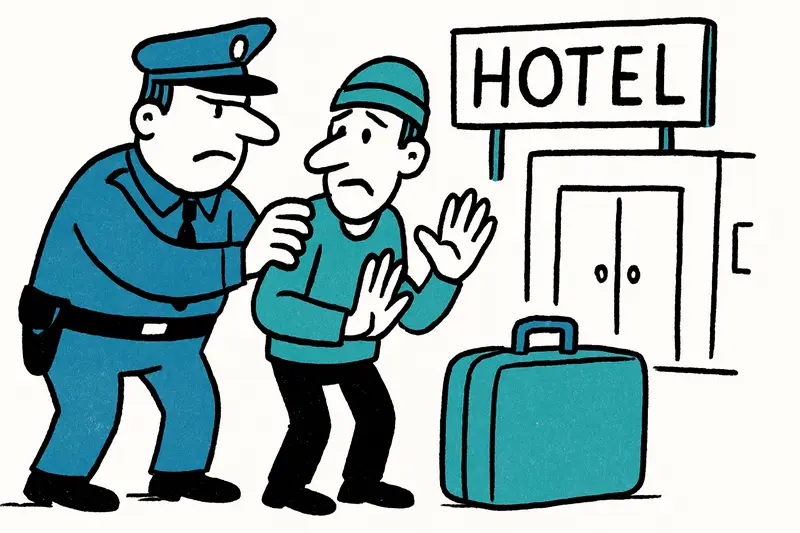
In Palma the National Police arrested a man accused of multiple thefts in hotels and on a restaurant terrace in the city centre. The case raises questions about responsibility, prevention and everyday precautions for guests.
National Police Arrest Suspected Hotel Thief in Palma – A Safety Check for Travelers
On December 6, 2025, the police in Palma reported the arrest of a man accused of several thefts in hotels and on a restaurant terrace in the city centre. Arrest at the Airport: Suspected Serial Hotel Burglaries — What You Need to Know Investigators estimate the value of the stolen goods at more than €18,000. Disguised as a Tourist: How an Alleged Thief Stole Suitcases and Watches in Palma According to initial information, the suspect repeatedly posed as a tourist and apparently took advantage of moments during check-in or lapses in attention on terraces to take bags, wallets and watches.
Key question: How vulnerable are visitors in Palma's hotels and street cafés really?
The arrest is a success for investigators – at the same time it should prompt a reassessment of everyday safety in Palma. People pulling luggage over the cobbles of the old town to their hotel do not expect to become a target at reception or while having an espresso on the terrace. Yet cases like this show how quickly routine can become an invitation for pickpockets.
Critical analysis: patterns, gaps, consequences
The descriptions reveal a clear pattern: the offences occur in central, highly frequented tourist areas; the method is well known – pose as a guest, wait, grab. What is often missing is not the presence of the police, but more visible prevention in the immediate vicinity of victims: semi-open luggage storage in the lobby, unattended bags on terrace chairs, hotel staff who do not notice unusual behaviour. There is also an information deficit among guests: What safety standards apply in my hotel? Is there a safe? Who helps if something is missing?
What is too often missing in public debate
Much of the reporting focuses on the success of manhunts; Disguised as a Guest: Con-Artist Spree Hits Mallorca's Hotel Industry More important would be concrete debates about responsibilities: Should hotels be held more accountable for guest safety if guests are robbed during check-in? Are notices at reception and a safe in the room enough? How well are employees trained to recognise and report suspicious behaviour? And not least: why is there no easily accessible statistics that transparently compare tourist centres and types of crime so hoteliers, authorities and visitors can plan better?
Everyday scene from Palma
Imagine a cool December morning on Passeig del Born: delivery vans rumble by, espresso steams in the small cafés, and at the reception of a central hotel a couple is chatting about their trip to Sóller. The young man who pushed in a trolley minutes earlier looks like any other guest. No one suspects that a wallet disappears two tables over. Such moments are everyday occurrences on the island – and it is precisely here that trick thieves operate.
Concrete solution approaches
The arrest shows that good investigative work is possible. To prevent recurrences, however, multi-layered measures are needed: first, increased awareness among hotel staff: short trainings for reception and service staff on how to recognise suspicious behaviour and how to discreetly warn guests. Second, mandatory information for guests: clearly visible information at check-in about safe options, risks in multiple languages and what to do in case of theft. Third, structural and organisational measures: secure luggage storage, clearly visible video surveillance in lobby areas (with respect for data protection) and clear procedures when a suspicion arises. Fourth, better networking: hotels, restaurants and the National Police should share reports more quickly – a simple anonymised incident tracker could help identify patterns. Fifth, information work for tourists: multilingual flyers at the airport, brief notices when renting vehicles and social media tips in popular holiday groups.
Practical tips for guests
For travellers: never leave valuables unattended, keep only the essentials on the counter when checking in, and store expensive watches or jewellery in the hotel safe or in a locked suitcase. A copy of important documents and a note with the contact details of the hotel reception and the National Police increase the chances of a quick response if something happens.
Conclusion: Arrest yes – structural lessons needed
The arrest in Palma shows that police and investigators are attentive. But it only uncovers the tip of the problem: in a city that lives from hospitality, safety issues must not remain limited to isolated incidents. A mix of prevention, transparency and practical education is needed – from reception to street terrace. As long as hotels, authorities and visitors do not work together, opportunists who disguise themselves as harmless tourists will remain a danger to inattentive moments on the island.
Frequently asked questions
How safe are hotels and café terraces in Palma for visitors?
What should I do if something is stolen from my hotel in Mallorca?
How can I protect my luggage and valuables when checking into a hotel in Palma?
Are hotel safes in Mallorca worth using for watches, jewellery and documents?
Is Palma Old Town safe for tourists walking with bags and luggage?
What are the most common theft risks for tourists in Palma?
Do hotels in Mallorca usually give guests theft prevention advice?
When is the best time to stay extra alert in Palma hotels and cafés?
Similar News
The End of the Cheap Ride? Why Mallorca Is Hit Harder by the Fuel-Price Shock
Gasoline and diesel average close to two euros per liter. What this means for commuters, supply chains and renters in Ma...
Relaxed liquid rules in Munich: What Mallorca travelers will notice
At Munich Airport the 100-milliliter rule will be lifted at all checkpoint lanes — thanks to new CT scanners passengers ...
For 45 Years on Mallorca — and Then This: How a Market Visit in Santa Ponsa Became a Lesson
A woman who has lived on the island for decades lost money and important documents at the Mercat Setmanal in Santa Ponsa...
10 percent surcharge on the beach: How legal and transparent is the extra charge at Playa de Muro?
A German part-time resident noticed days after a restaurant visit in Playa de Muro that the bill included a flat ten per...

Body near the Llevant Market: What this death says about our city
A man was found dead on Sunday afternoon near the Llevant Market. Police say the death appears natural. The scene raises...
More to explore
Discover more interesting content

Can Cap de Bou

Townhouse Lleo 72
