
Disguised as a Guest: Con-Artist Spree Hits Mallorca's Hotel Industry
A man posed as a guest in several hotels, stealing cash and luxury goods on a large scale. The arrest raises questions: where are the security gaps — and what do hotels and guests need to do differently now?
Disguised as a Guest: Con-Artist Spree Hits Mallorca's Hotel Industry
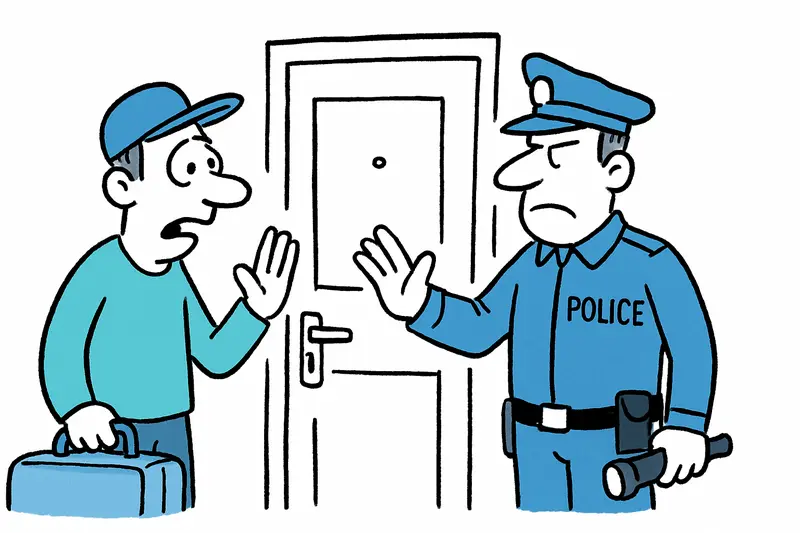
It sounds like a bad movie scene: a well-groomed man enters a hotel lobby late in the evening, calmly gives the name of a real guest, cites a room number, and minutes later leaves the building with a replacement key or access to valuables. In recent weeks this trick left a trail from Palma along the promenade to Ibiza — the police estimate the damage at around €100,000. The arrest in Madrid brought some relief, but the fundamental question remains: how could this go on for so long?
The tactic: how the suspect operated
According to investigators, the man used simple but effective methods of deception. He named real guests and room numbers, approached reception politely and thus obtained replacement keys or information about safes. He usually showed up between 6 and 9 p.m. — precisely when check-ins, check-outs and taxi areas keep staff busy in the Avinguda and Passeig neighborhoods. The result: minimal effort, maximum gain.
Witnesses describe him as in his late 30s to early 40s, dressed in dark clothes, with a barely noticeable accent. Important for investigators: he acted alone — at least so far — and the trail led to Madrid, where the man was caught trying to pay with stolen cards; local coverage has followed similar hotel theft cases such as Disguised as a Tourist: How an Alleged Thief Stole Suitcases and Watches in Palma.
Key question: system failure or staff shortage?
The central issue is not only how cunning the perpetrator was, but why internal hotel safeguards were so easy to circumvent. Are reception staff making human errors, are identity checks too lax during peak times, or are there fundamental gaps in procedures and technology? Answers are crucial — not just for the affected guests, but for trust in Mallorca as a destination.
Why the system is vulnerable
Practice reveals several weaknesses: first, the reliance on verbal information in busy hotels; second, high staffing pressure in peak season with many temporary workers; third, outdated key systems that keep replacement keys physically available. Added to this is the desire of hotels not to burden guests with cumbersome checks — a balancing act between service and security. Hardly discussed publicly is the impact of working hours and noise in the lobby: when dishes clatter, cups ring and the doorbell is constantly ringing, attention levels drop behind the desk.
Aspects often overlooked
Little attention is paid to liability and insurance conditions. Do policies fully reimburse trick thefts from hotel rooms? Or are there gaps that leave guests as the ones bearing the risk? Also rarely discussed is data sharing between hotels and authorities. Closer cooperation could help, but data protection and competitive interests often slow down quick solutions.
Concrete opportunities and solutions
There are practical measures that can be implemented quickly: clear identity checks for replacement keys (ID plus booking confirmation), written logs for key issuance, private CCTV monitoring in hotel lobbies and regular spot checks by management. Technically sensible are digital room keys via apps or NFC cards with expiration times that make physical keys unnecessary. Important: training for night and late-shift staff to recognize social manipulation — social-engineering training is not a luxury.
At an institutional level, the hotel industry could set up an anonymous reporting platform with the police: once a pattern becomes noticeable, other properties are informed without violating data protection rights. Insurers should also be reviewed so victims do not end up bearing the loss; broader financial and procedural concerns have been highlighted in reporting such as Arrest in Palma: How Fake Transfers Undermine the Luxury World.
What guests can do right now
Some simple rules reduce the risk: don’t store valuables visibly, use the in-room safe or leave valuables at reception (with a receipt). Cancel cards immediately if there is any suspicion. And: ask questions if someone at reception confidently states a name and room number — often a bad feeling is protective.
Interim conclusion and outlook
The arrest in Madrid is a success for investigators, but not a free pass for the industry. The case reveals how vulnerable a tourist system based on trust and speed can be. Evenings on Palma's promenades often carry a cool breeze, the palm trees rustle, and in hotel bars wind and voices wash away the day's stories. But the trust guests place in the island's offerings is not unlimited — it must be protected; readers can find additional context in coverage of other incidents such as Arrest at the Airport: Suspected Serial Hotel Burglaries — What You Need to Know.
Investigations are ongoing. For those affected, it is now important to report thefts and secure evidence. For hoteliers and authorities the task is clear: not only pursue the perpetrator, but repair the system so that such cons are much harder to carry out in the future.
Frequently asked questions
How did the hotel scam in Mallorca work?
Why are hotels in Mallorca vulnerable to this kind of theft?
What should I do if I suspect someone is trying to get into my hotel room in Mallorca?
What is the best way to keep valuables safe in a Mallorca hotel?
What time of day are hotel scams more likely in Mallorca?
What can Mallorca hotels do to stop fake guest scams?
What happened after the suspect was arrested in Madrid?
Does hotel insurance in Mallorca always cover trick thefts?
Similar News
Who Gets Left Out? Why Overbookings Will Hit Many Mallorca Travelers This Summer
On hot check-in days at Son Sant Joan, frustrated travelers pile up. New figures from Reclamador.es show that a large sh...
When the Handyman Came: How an Engagement Ring Disappeared in Mallorca and What It Says About Trust
During a repair in Andratx a highly personal engagement ring went missing — a case that calls not only for punishment bu...
How Burglars Test Fincas in Mallorca — and What You Can Do About It
The Spanish National Police warn of a simple but effective trick: small markings on doors reveal whether a finca is occu...
Palma doubles blue zone: What this means for residents, tourists and narrow streets
From 1 January 2027 Palma's ORA area will grow from around 12,000 to 24,000 spaces. Key question: Will the expansion bri...
Engagement ring disappears during repair: court upholds prison sentences for plumber and partner
During a heating repair in an apartment in Andratx an engraved engagement ring disappeared. After a trace to a pawnshop ...
More to explore
Discover more interesting content

Can Cap de Bou

Townhouse Lleo 72
