

Arrest in Palma: How Fake Transfers Undermine the Luxury World
An arrest in Palma following a series of fake bank transfers to five-star hotels raises questions about security gaps. Why do luxury establishments rely on processes that are easily exploited — and what needs to change?
Arrest in Palma: How Fake Transfers Undermine the Luxury World
It was drizzling lightly on Avinguda Antoni Maura, taxi horns mixed with the cries of seagulls, when the Policía Nacional arrived and arrested a woman in connection with alleged transfer fraud at luxury hotels. Not far away, hotel buildings glittered with lobbies where tuxedos, limousines and polite welcome smiles dictate daily life. The tally: several fraud cases in three five‑star hotels and some high‑end shops, currently known damages around €6,500. But the real alarm runs deeper: How could a single person exploit trusted procedures in such established houses?
Key question: Why are luxury accommodations vulnerable?
The question is not only “Who did it?” but “Why did the system allow it?” On the Passeig, where guests stroll carelessly along the sea and the cathedral watches the horizon, one detail is easy to miss: behind good service lie routines that presuppose trust. And that very trust is the biggest attack surface.
Routines that make you blind
In many top hotels, bookings, payments and invoice reconciliations follow practiced patterns. Reception, concierge and accounting rely on established procedures — often without immediate cross‑checks. A seemingly legitimate transfer presented by screenshot or forged payment confirmation can thus be temporarily recorded as paid. The day‑to‑day at the reception is hectic: luggage, late check‑ins, deliveries, the phone ringing. In this environment, small loopholes are enough.
Staff protection and escalation: easily neglected
A hotel employee reported feeling threatened. Whether there was physical violence is still being examined. But one thing is clear: front‑office teams are under pressure — not only because of guest satisfaction, but also out of concern for their jobs. Who wants a dispute at the reception to escalate? The result is often quick, pragmatic decisions instead of thorough checks.
Financial tech: the limits of real time
Banks do offer security, but SEPA transfers can be reversed or appear manipulated until institutions run their checks. PSD2 authentications and real‑time checks help, but are not fully implemented everywhere. A phone call to the bank, which many do not dare, can often provide clarity — if you have the right contacts and the time to make it.
What is missing in public debate
Three points are often overlooked: first, industry coordination — hotels and luxury retailers often act in isolation. Second, the importance of simple, immediately applicable rules at reception. Third, the psychological component: employees who feel overwhelmed are more likely to make wrong decisions. These aspects are rarely mentioned in press releases but are crucial when looking for sustainable solutions.
Concrete measures — pragmatic and immediately actionable
The good news: many improvements cost little but require clear processes.
- Identity checks: For unusual payments, request a copy of ID, a photo with a date stamp, and verify the ID number.
- Pre‑authorization instead of blind trust: When possible, place a guarantee hold on a card rather than accepting only a bank transfer.
- Direct line to the bank: Make a quick call; keep contacts for fraud departments handy.
- Standardized documentation: Screenshots, CCTV timestamps, an internal incident form — this eases later investigations.
- Role‑plays and de‑escalation training: Front‑office teams need practice, not just theoretical knowledge.
Industry watchlist: cooperation instead of going it alone
An anonymized exchange of reports of suspicious incidents in Mallorca hotels between hotels and retailers could make patterns visible faster without violating data protection. Imagine a small, internally managed “watchlist”: not a witch hunt, but an early‑warning system that helps identify recurring methods.
Technology with context
Real‑time bank checks, improved card terminals and PSD2 are helpful — but they must be embedded in practical operating procedures. A discreet sign at the reception announcing identity checks costs nothing and lowers the barrier to consistent action. Technology alone is like an expensive umbrella if staff do not use it.
What guests can do
As a guest, you protect the place you stay best by being attentive: check account statements, report discrepancies immediately, request invoices. Many regular guests say: “We have trust here — until something like this happens.” That trust is worth protecting, but it is not a license for sloppiness.
Further developments
The suspect is in custody, according to a National Police arrest report, the Policía Nacional is securing transaction traces and checking for possible further cases. Tips from the public are welcome — sometimes it is the tiny detail that makes a larger pattern visible.
Practical final thought: A quick phone call, a simple pre‑authorization or a copy of an ID can be enough to prevent weeks of trouble. In Palma, between promenade wind and hotel shine, pragmatic caution protects what gives the island its appeal: trust that need not be given blindly.
Frequently asked questions
How do fake transfer scams work in Mallorca hotels?
Why are luxury hotels in Mallorca vulnerable to payment fraud?
What should hotel staff in Mallorca do if a transfer payment looks suspicious?
Can guests in Mallorca check whether a hotel payment has really gone through?
What can hotels in Palma do to prevent fake transfer fraud?
Is it normal for Mallorca hotels to ask for ID again during payment checks?
Should Mallorca hotels keep an internal watchlist for suspicious incidents?
What is the best way for hotel reception teams in Mallorca to handle pressure during a fraud risk?
Similar News
Who Gets Left Out? Why Overbookings Will Hit Many Mallorca Travelers This Summer
On hot check-in days at Son Sant Joan, frustrated travelers pile up. New figures from Reclamador.es show that a large sh...
When the Handyman Came: How an Engagement Ring Disappeared in Mallorca and What It Says About Trust
During a repair in Andratx a highly personal engagement ring went missing — a case that calls not only for punishment bu...
How Burglars Test Fincas in Mallorca — and What You Can Do About It
The Spanish National Police warn of a simple but effective trick: small markings on doors reveal whether a finca is occu...
Palma doubles blue zone: What this means for residents, tourists and narrow streets
From 1 January 2027 Palma's ORA area will grow from around 12,000 to 24,000 spaces. Key question: Will the expansion bri...
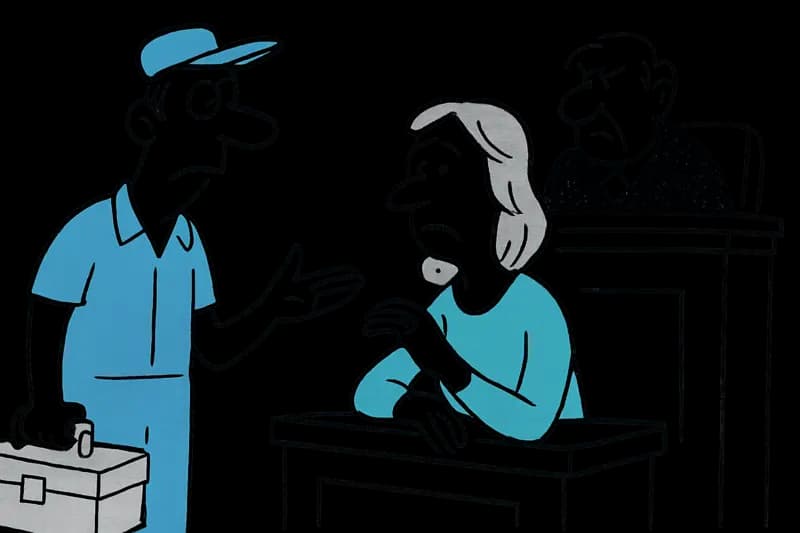
Engagement ring disappears during repair: court upholds prison sentences for plumber and partner
During a heating repair in an apartment in Andratx an engraved engagement ring disappeared. After a trace to a pawnshop ...
More to explore
Discover more interesting content

Can Cap de Bou

Townhouse Lleo 72
