
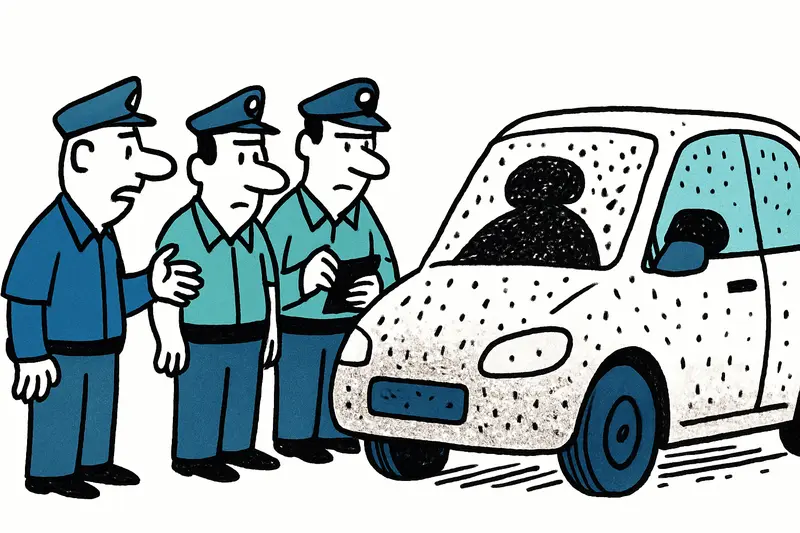
How dirty can a car be on Mallorca? The rules, penalties and what's missing
How dirty can a car be on Mallorca? The rules, penalties and what's missing
Clean windows and legible license plates are not just a matter of courtesy but the law. Anyone driving a dirty car in Mallorca risks fines — but enforcement is often unclear.
How dirty can a car be on Mallorca? The rules, penalties and what's missing
Leading question: Who decides on the road when a car is 'too dirty' — and how fair is the procedure?
Those who walk along the Passeig de Mallorca in the morning and watch the garbage trucks go by often see the same scene: taxi drivers quickly wipe the windshield, a convoy of rental cars at the port cleans license plates, and at the roadside a group of police officers quietly discusses a car whose rear-view mirror is barely visible. Aesthetically that bothers some, legally it's an issue: traffic regulations stipulate that glazed surfaces and mirrors must be cleaned so that visibility is not impaired. In practice, however, there's a lot of room for interpretation.
The starting point: visibility impairment from dust, salt splashes on the coast, pollen in spring, mud after a thunderstorm or early-morning insect remains can reduce road safety. Equally problematic is a dirty or covered license plate — for manual checks as well as for automated systems. Fines are provided for such violations; authorities can take administrative action even if no accident has occurred.
Critical analysis: In Palma (see Palma low-emission zone excludes foreign license plates) as in smaller towns it is noticeable that assessments are very subjective. An officer on the Via de Cintura may see a fine as necessary, while another patrol only issues a warning. There is a lack of a clear, easy-to-apply guideline that, for example, defines percentage values, measurement methods or simple tolerance zones. With rental cars another problem arises: tourists do not know the rules, cleaning intervals of providers vary, and the sanction often hits the driver rather than the company.
What is missing in public debate: the discussion focuses on punishment, less on prevention. Hardly anyone talks about how municipalities and landlords could defuse the situation with simple measures. There are virtually no easily accessible, low-cost wash stations at larger parking lots or signs on approach roads to sensitive areas such as ports and beaches. And information for tourists — for example a leaflet when taking over the vehicle — is often missing.
Everyday scene from Mallorca: On a rainy morning in Portixol you can see fishermen sorting their nets, next to them an SUV with a centimeter-thick crust of salt on the license plate. A police officer stops, takes a closer look, makes a note and decides: warning or fine. The driver, a weekend visitor, does not understand the situation and explains that the sea was rougher yesterday. This little scene shows: give and take, but rarely clear rules.
Concrete solutions: First, police stations could use standardized checklists — short criteria that indicate when visibility impairment exists. Second, municipalities should promote inexpensive self-service wash points at approach roads and large parking lots; a simple hose with a sign could make many license plates readable again. Third, an easy solution lies with car rental companies: a short briefing on cleanliness obligations when handing over the vehicle plus a small cleaning kit in the glove compartment would avoid many conflicts (see V16 warning light mandatory in Majorca from 2026). Fourth: fines for first-time offenses could be issued as warnings with a deadline for rectification instead of immediate penalties; this would act preventively and build acceptance.
Also practically feasible would be an information campaign that warns of seasonal problems — pollen in spring, dust storms from the interior in autumn, mud on rural access roads after rain. Such notices could be placed at parking meters, ferry terminals and car rental desks. And very locally: cleaning stations at popular beaches like S'Arenal or Cala Major would not only keep signs clean but also keep cameras functional.
Concise conclusion: Yes, clean windows and legible license plates are more than goodwill — they are part of road safety, and fines are legally provided. But enforcement on Mallorca suffers from uncertainty and a lack of simple preventive offers. A bit of pragmatism would help: clear criteria, more washing options, information duties for rental companies and a first warning instead of an immediate fine. That would leave more time for the sea and less discussion at the roadside.
Frequently asked questions
What is the weather usually like in Mallorca in early May?
Is Mallorca warm enough to swim in May?
What should I pack for a trip to Mallorca in early May?
Is early May a good time to visit Mallorca for outdoor activities?
What is Port de Sóller like in early May?
What is Sóller like to visit in early May?
Is Palma de Mallorca busy in early May?
Are the beaches in Mallorca pleasant in early May?
Similar News

When the Wallet Becomes a Danger: Attack in Peguera and Lessons for Mallorca
In Peguera, two women are said to have stolen the wallet from a 75-year-old German couple. When the victim intervened, t...
Plata stays Plata: Young people take over, Llonguets remain
A small bar on Carrer de l'Argenteria will continue: Tolo Serra hands the place over to young Mallorcans at the end of t...
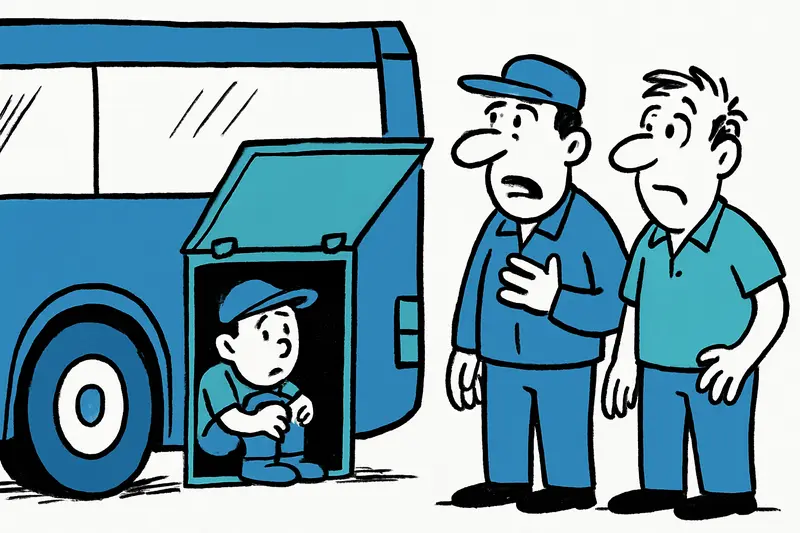
Unnoticed in the Luggage Compartment: How a Boy Traveled More Than 100 Kilometers in a Team Bus
A minor traveled in the undercarriage of a team bus for more than 100 kilometers until his cries for help were heard. A ...

Cap Vermell Grand: Second Michelin Key – a Gift for the East
The Cap Vermell Grand in Capdepera has been awarded its second Michelin key. For the region this elevates the luxury off...
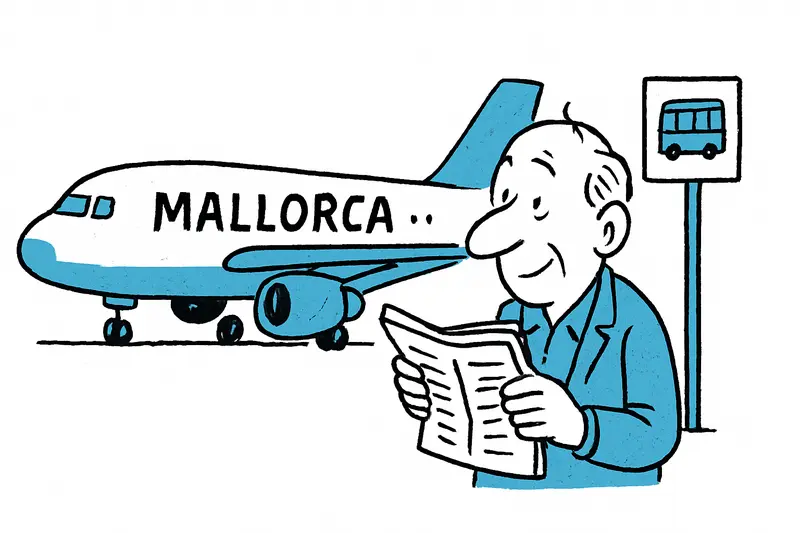
Eurowings lets four aircraft carry names – a friendly idea that also reaches Mallorca
Eurowings is launching a campaign: four Airbus A320s are to carry the first names of people who help others in everyday ...
More to explore
Discover more interesting content

Can Cap de Bou

Townhouse Lleo 72
