
Fire Risk and Social Issue: Dump at Camí de la Torre Redona Causes Trouble
An abandoned plot in Ca'n Pastilla has become an illegal dumpsite. Between mattresses, glass and tents not only does the stench grow — so do the risk of fire and an urgent social problem.
Garbage Pile at Camí de la Torre Redona: Who Will Act Before It Burns?
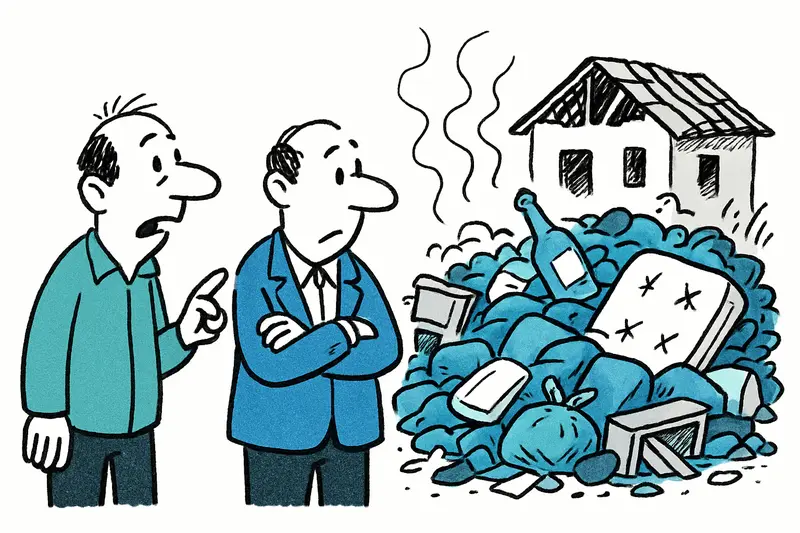
Just a short walk from the Octavi-August station lies a dilapidated plot that has become the most unpleasant source of odor in Ca'n Pastilla for weeks. Between broken glass bottles, damaged furniture, diapers and bulky mattresses, the leftovers are piling up — right along paths used by residents, delivery drivers and tourists. The evening air is different here: less sea, more rubbish. One playground further on, the dump.
Why the Problem Goes Beyond Bad Smell
The combined danger is obvious: glass in the heat of the afternoon and evening sun, heaps of textiles and plastic — perfect ingredients for a spark that spreads. Neighbors report small flames and sparks; extinguishing attempts by passersby and firefighters have prevented worse, as documented in Fire on the outskirts of Palma: When improvised settlements become a ticking time bomb. But the question remains: Are we waiting for the first major fire, or do we act now?
There is also the social dimension. Some people have taken shelter in the area; makeshift huts and tents can be seen in the shadow of the collapsed roof, a situation described in Between Promenade and Cardboard Shacks: Can Pastilla on the Brink of a Social Crisis. That makes the situation sensitive: it is not only a matter of public order, but of human dignity, health protection and coordinated assistance. A drastic cleanup without alternatives for those affected would not be a solution — it would only relocate the problem.
What Is Often Overlooked
In such illegal dumping cases, people usually talk about smell and tourism — far too rarely about possible consequences for groundwater and the sewage system, about rats and ants, about disposal streams that run through opaque channels elsewhere on the island. Also little considered: who actually owns the plot? Owner obligations, insurance coverage and official enforcement powers are more complex than many think. As long as liability remains unclear, a vacuum is created that attracts illegal disposers.
The role of seemingly harmless small businesses should not be underestimated either: craftsmen or private moving companies sometimes dispose of bulky waste illegally out of convenience or to save money. A lack of legal and affordable disposal options exacerbates the problem, as similar cases like How an Abandoned Motorhome Became a Persistent Problem for El Arenal demonstrate. Added to this is the visual impact: hotel guests on balconies see the piles of trash, hear the seagulls and the buzzing of flies — and they take photos. That harms the reputation of Playa de Palma, even if the rest of the island remains clean.
Concrete Steps Needed Now
The solution must connect three levels: rapid hazard management, social support and long-term prevention.
Immediate measures: Mobile cleanup teams with containers should clear the site, remove fire nests and make the area safe. The fire department and the environmental office should carry out a joint danger analysis — that means not just sweeping, but disposing of the waste properly.
Mid-term: On site there is a need for a team of social workers to contact the people living there, offer assistance places and provide prospects. Simultaneous security measures (fencing, lighting, regular inspections) prevent immediate re-dumping after cleaning.
Long-term: Clear responsibilities between the municipality, the province and property owners must be established. More legal disposal options, flexible drop-off points for bulky waste and information campaigns can make illegal dumping unattractive, in line with EU waste prevention and management guidance. Sanctions against commercial offenders must be enforced in a controlled manner — that deters and ensures fairness toward legitimate businesses.
Opportunities That Can Arise Now
If authorities, hotels and neighborhood initiatives work together, annoyance can soon become a flagship project: a tidied place where people are helped instead of being driven away. Mobile container solutions combined with social support could serve as a pilot for other problem spots on Playa de Palma. A joint cleanup day with volunteers from the neighborhood and cleaning staff from the hotels would strengthen cohesion — and show that nobody simply looks away.
I was there yesterday at 9 a.m.: the quiet screeching of seagulls, a delivery driver rolling by, and three piles of rubbish like monuments. A few meters away guests were talking on a balcony, their looks half curious, half annoyed. It is a situation that can be solved — if the question that hangs over everything is answered: Who will take responsibility before the stench turns into a catastrophe?
If you have information or would like to help: contact your municipal administration or local aid organizations such as Spanish Red Cross. Silence and looking away help no one.
Frequently asked questions
Why are illegal dumps like the one in Ca'n Pastilla a fire risk in Mallorca?
What should I do if I see smoke or small flames near a rubbish dump in Mallorca?
Why is illegal dumping in Mallorca more than just a cleanliness problem?
What happens to people living in an illegal dump area in Ca'n Pastilla?
Who is responsible for clearing an illegal dump in Mallorca?
How can Mallorca stop rubbish from being dumped again after a cleanup?
Can illegal dumping in Playa de Palma affect tourism in Mallorca?
Where can I report an illegal rubbish dump in Mallorca?
Similar News

Release after bloody attack in Palma: Why the court's decision raises questions
An 18-year-old who allegedly inflicted a serious neck injury on a man at Plaza Gomila using a wristwatch wrapped around ...
Kidnappings in Inca: Three young men forced into car trunks and abused in the forest – a reality check
In Inca, three 18-year-old men were forced into car trunks by masked assailants at the Plaça des Bestiar, taken to a for...
Spreading Massification: The Brake That Still Has Much Work to Do
Marga Prohens announces limits on volume tourism. The measures sound harsh — but are they enough to save everyday life, ...

Through the Keyhole onto the Party Yacht: How Daniela Katzenberger Is Planning Her 40th on Mallorca
Daniela Katzenberger turns 40 and wants to celebrate it on the island — likely with a boat, cake and her mother. A relax...
By Boat Instead of the Road: Palma's Water Bus — a Reality Check
The 'Bus Nàutic' launches in two stages — but questions remain over interim operations, fares and environmental requirem...
More to explore
Discover more interesting content

Can Cap de Bou

Townhouse Lleo 72
