
Kidnappings in Inca: Three young men forced into car trunks and abused in the forest – a reality check
In Inca, three 18-year-old men were forced into car trunks by masked assailants at the Plaça des Bestiar, taken to a forest and severely abused. The Guardia Civil is investigating. What went wrong — and what needs to happen now?
Kidnappings in Inca: Three young men forced into car trunks and abused in the forest – a reality check
How could something like this happen in the middle of town — and what is missing to better protect victims?
At night, around 11 p.m., the Plaça des Bestiar in Inca became the scene of an attack: according to available information, three 18-year-old men of North African origin were assaulted by five masked individuals, beaten with sticks, forcibly put into the trunks of several vehicles and later further abused in a forest. The victims suffered broken bones, contusions and other injuries; one reported having been attacked with a stabbing weapon. The Guardia Civil has opened an investigation.
Key question: How can such a brutal act take place on a busy square on the island without faster assistance or immediate stopping of the perpetrators?
Critical analysis: The description of the sequence of events suggests a planned, coordinated action — two vehicles, five perpetrators, a clear modus operandi. That creates time windows in which witnesses could intervene or law enforcement could react more quickly. Important factors come together here: nighttime, reduced visibility, possibly low presence of uniformed officers, and the question of surveillance or lighting infrastructure at the Plaça des Bestiar. Even if not every crime can be prevented, such conditions increase the risk that attacks will escalate and victims can be transported far away.
What is often missing in the public discourse: the perspective of those affected and their particular vulnerability. The three young men are said to have been housed in the same care facility. Young people who are separated from their families or live in residential institutions often have less support, are less familiar with local emergency routes and are reluctant to report incidents out of fear of reprisals or exclusion. Naming the victims' country of origin must not lead to diluting their rights or their claim to protection.
Everyday scene from Mallorca: Anyone walking through Inca in the evening knows the back-and-forth of delivery vans, the distant clatter from bars and the dim streetlights that make some squares feel cozy and others dangerous. The Plaça des Bestiar, a marketplace and meeting point by day, is lively; at night part of that presence disappears, and that makes places more vulnerable. This is not an abstract problem: I have often seen bakery owners turn on the first morning lights next to the square — what is missing at night is a visible protective presence.
Concrete solutions (not magic bullets, but practical steps): (1) Review protective infrastructure: better lighting, targeted camera points where access paths lead into dark corners. (2) Increase visibility: regular foot patrols by the Guardia Civil and local police during daytime and evening hours, especially at known meeting points for young people. (3) Preventive social work: care facilities must have safety plans for outside contacts and give those in their care clear reporting channels, emergency numbers and trusted contacts. (4) Language and legal support: victims with a migration background need immediate interpreters and legal assistance so that medical care and filing complaints are not blocked by language barriers. (5) Promote cooperation: the town hall, local police, social services and civil society organizations should set up fast communication channels to defuse dangerous situations after incidents.
What must be urgently observed: rapid medical care and trauma support, witness protection, and transparent but data-protection-compliant information to the public. Sensationalist headlines help no one; precise information and support for the victims are important.
Concise conclusion: The incident in Inca reveals vulnerabilities in everyday protection — not only in police procedures but also in the social infrastructure for young people without strong family support. In the short term, better lighting, visible presence and low-threshold reporting options can improve the situation. In the long term, stronger networking between social work, schools, residential facilities and security authorities is needed. The Guardia Civil is investigating; the city and the responsible institutions must now act openly, quickly and concretely before another night at an otherwise familiar square becomes dangerous again.
Hope must not be that this remains an exception — the obligation must be to learn from this incident and make protection for the most vulnerable in our midst visible.
Frequently asked questions
What is the best time to visit Mallorca for beach days and sunshine?
Do I need to pack for changing weather in Mallorca?
Is swimming safe in Mallorca and what should I know about beaches?
How many days should I plan to explore Mallorca's coast and towns?
What should I wear when exploring Mallorca's villages and countryside?
Are there family-friendly activities in Mallorca suitable for a relaxed itinerary?
What are practical ways to get around Mallorca without a car?
Are there must-see experiences or places to include in a Mallorca visit?
Similar News
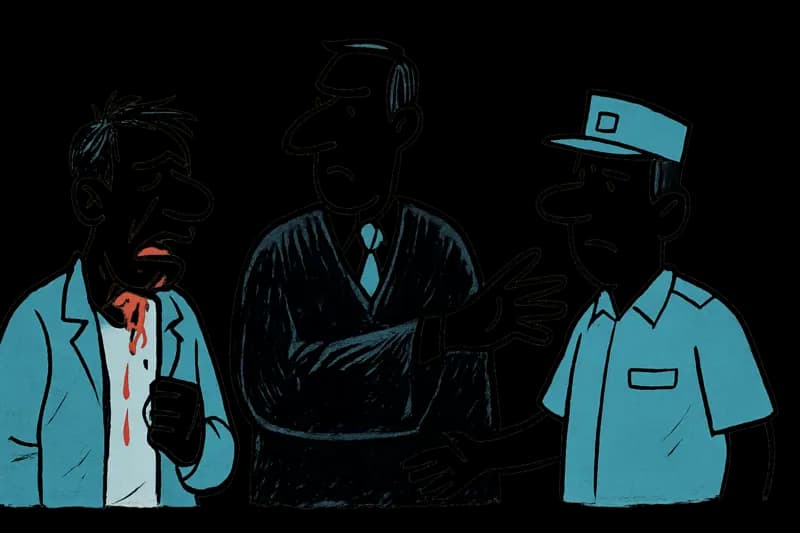
Release after bloody attack in Palma: Why the court's decision raises questions
An 18-year-old who allegedly inflicted a serious neck injury on a man at Plaza Gomila using a wristwatch wrapped around ...
Spreading Massification: The Brake That Still Has Much Work to Do
Marga Prohens announces limits on volume tourism. The measures sound harsh — but are they enough to save everyday life, ...
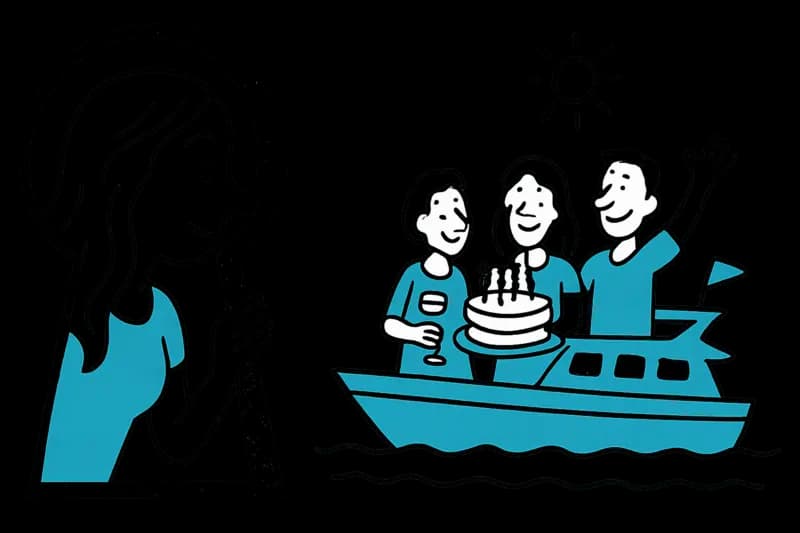
Through the Keyhole onto the Party Yacht: How Daniela Katzenberger Is Planning Her 40th on Mallorca
Daniela Katzenberger turns 40 and wants to celebrate it on the island — likely with a boat, cake and her mother. A relax...
By Boat Instead of the Road: Palma's Water Bus — a Reality Check
The 'Bus Nàutic' launches in two stages — but questions remain over interim operations, fares and environmental requirem...
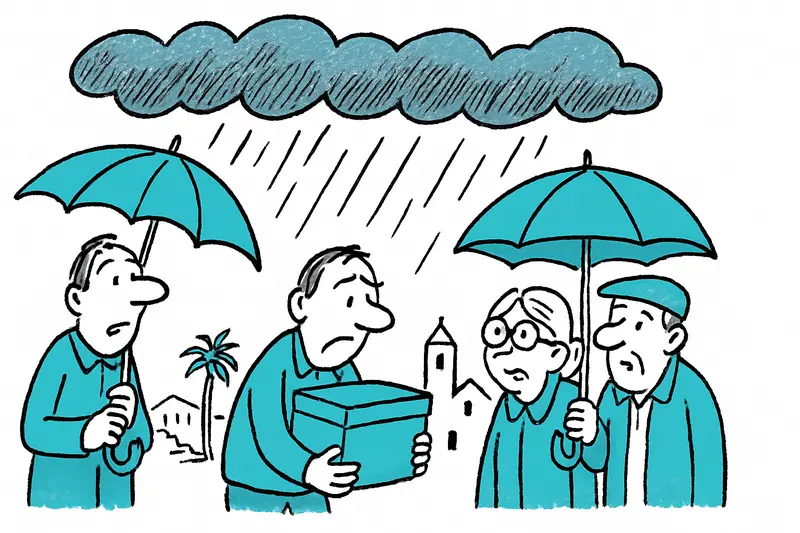
Several Days of Rain Approaching: How Well Is Mallorca Prepared?
Aemet says: rain from Thursday until at least Tuesday, especially heavy on Monday. Temperatures remain mild. A reality c...
More to explore
Discover more interesting content

Can Cap de Bou

Townhouse Lleo 72
