
New Scam in Mallorca: "Inquiokupas" Paralyze Luxury Villas
New Scam in Mallorca: "Inquiokupas" Paralyze Luxury Villas
Owners report a new form of squatting: tenants move in legally, stop paying and demand money to leave. Why the problem is hitting luxury neighborhoods and what steps are needed now.
New Scam in Mallorca: "Inquiokupas" Paralyze Luxury Villas
Key question: How did a form of social protest become a business model that now endangers the island's luxury properties?
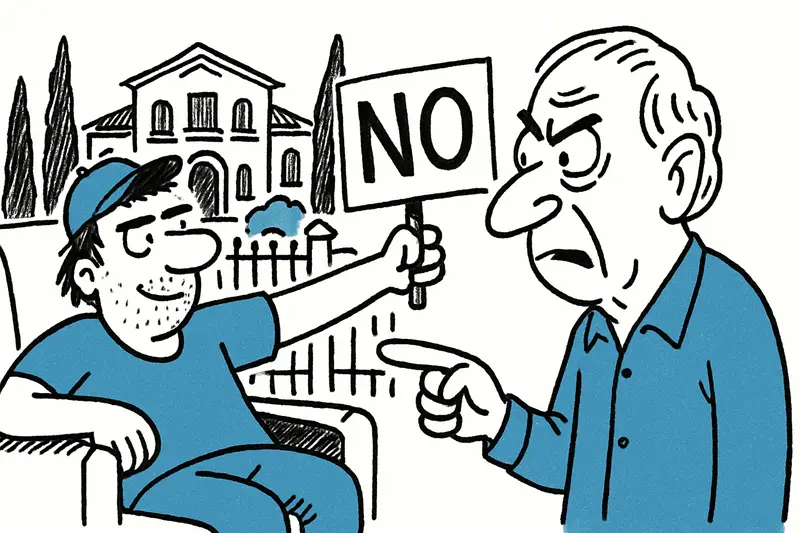
In the early morning, when the van rattles up the olive avenue in Son Vida and the gardener rakes the leaves beside the tall cypresses, no one thinks of complicated legal disputes. Owners, however, often wake up later to a very different sound: an empty bank account. A new method is spreading on Mallorca. People legally rent villas or holiday homes, move in, shortly thereafter stop paying rent and refuse to vacate the properties – often coupled with demands for payment to leave.
Those affected report long, wearing eviction proceedings. The Guardia Civil and other authorities see similar patterns: exclusive residential areas like Son Vida, Portals, Santa Ponça, Costa de los Pinos or Port de Pollença are particularly affected. Since last summer, cases have increased in which high-quality holiday accommodations were blocked, a trend documented in Shadow Market in the Island Paradise. Some owners, according to reports, pay considerable sums to get their houses back more quickly.
Critical analysis: Why does the scam work here?
On the one hand, it is due to the combination of economic pressure and slow procedures. Owners of holiday homes need the property for income or their own holidays. A months-long process can mean high ongoing costs and lost income. On the other hand, legal and enforcement routes play a role: once a contract is signed, often the only option is judicial eviction proceedings, which can drag on. Those who know the system and act in an organized way exploit that.
Another factor: the profiles of the occupiers have changed. They are not always people in extreme need; in some cases the situation resembles illegal subletting by 'Inquilinos Pirata', with organised networks and commercial motives. In some cases items disappeared from the houses; in others occupiers entrenched themselves and demanded more money the longer they stayed.
What is missing from the public debate
There is much talk about individual cases, but little about structure. Reliable data is lacking: How many proceedings are currently underway? What is their average duration? Equally little is discussed about how insurers, intermediaries and deposit rules interact. The role of local administrations also remains unclear: Are there registration obligations for longer-term holiday or second-home rentals? Who systematically collects information for prevention?
A everyday scene in Mallorca
In a bar on Passeig Mallorca sit a property manager, the owner of a finca and a lawyer. The topic of conversation: a villa in Portals that has been occupied by unknown people for two months. The manager says quietly: "If the tourists are missing, one prefers to pay rather than spend years in court." The owner nods, finishes her coffee and looks at the clock – wondering whether next summer will pass without her house.
Concrete solutions
1) Legal acceleration: A special, accelerated eviction claim for second homes and holiday properties could be created. Decision-making bodies would need deadlines similar to emergency procedures.
2) Registries and transparency: Municipalities could centrally record long-term rental contracts for holiday and second homes. This would make patterns easier to detect and allow authorities to intervene in a more coordinated way.
3) Preventive checks: Landlords and intermediaries need practical verification mechanisms – identity and credit checks before handing over keys should be standard. Booking platforms should be required to flag suspicious booking patterns, an issue also raised in Beware of Rental Offers on Facebook & Instagram.
4) Insurance and deposits: Insurance products that cover the specific risks of second homes should be promoted. Higher securities or escrow accounts for rental payments and deposits can reduce pressure.
5) Police and judiciary: Better coordination between the Guardia Civil, local police and the competent courts. Mobile response teams for acute cases could support rapid measures – always within legal limits.
6) Owner practices: Anyone who rents out a property should work with clear, legally sound contracts, professional local management and documentation. That means: photos, handover protocols, immediate reports when payments are missing.
Conclusion
The island currently feels a little more vulnerable. Not because of a lack of vigilance, but because legal channels and economic pressure form a risky combination. Those who know how can exploit it. Mallorca does not need panic, but pragmatic rules: faster legal protection for owners, more transparency in long-term holiday rentals and stronger cooperation between public authorities and the industry. Otherwise what remains is a sunny house – and a Shadow Market in the Island Paradise the island does not deserve.
Frequently asked questions
What is the “inquiokupas” scam in Mallorca?
Why are luxury villas in Mallorca especially vulnerable to this scam?
Which areas of Mallorca have been mentioned in cases like this?
What should I check before renting out a villa in Mallorca?
How long can it take to evict someone from a property in Mallorca?
Can Mallorca property owners ask for faster legal protection?
Should I rent out my Mallorca holiday home without professional management?
How can Mallorca owners reduce the risk of rental scams and occupation?
Similar News
German tourist dies in Sa Calobra – a reality check for emergencies on Mallorca's beaches
A 40-year-old tourist died at the Torrent de Pareis. The emergency call, a doctor who happened to be present, a defibril...

Deadly Tractor Accident in Bunyola: What Needs to Be Done Now
In a work accident on an estate near Bunyola, a roughly 40-year-old man lost his life. His wife and a small child were o...
Head-first dive into the shallow part of Cala Fonoll: An accident and the unresolved question of responsibility
A young tourist dove into Cala Fonoll and was seriously injured. Key question: Why are clear warning signs missing at da...

Mistaken identity with fatal consequences: Brutal assault in S'Aranjassa — what's missing in the follow-up?
At S'Aranjassa a visitor to a finca was tied up, beaten and thrown out of a van. Three men have been arrested, including...

High heel slips, car accelerates: accident on Camí de Son Hugo
A woman lost a high-heeled shoe on the forecourt of the sports facility at Camí de Son Hugo. The car accelerated, mounte...
More to explore
Discover more interesting content

Can Cap de Bou

Townhouse Lleo 72
