
Rethinking the Ring Road: Space for a Rail Link to Llucmajor — Opportunity or Construction Nightmare?
The island council is changing the plan for the ring road around Palma — with a tunnel and room for a rail connection to Llucmajor. What does this mean for commuters, residents and the environment?
Rethinking the Ring Road: Space for the Rail, but at What Cost?
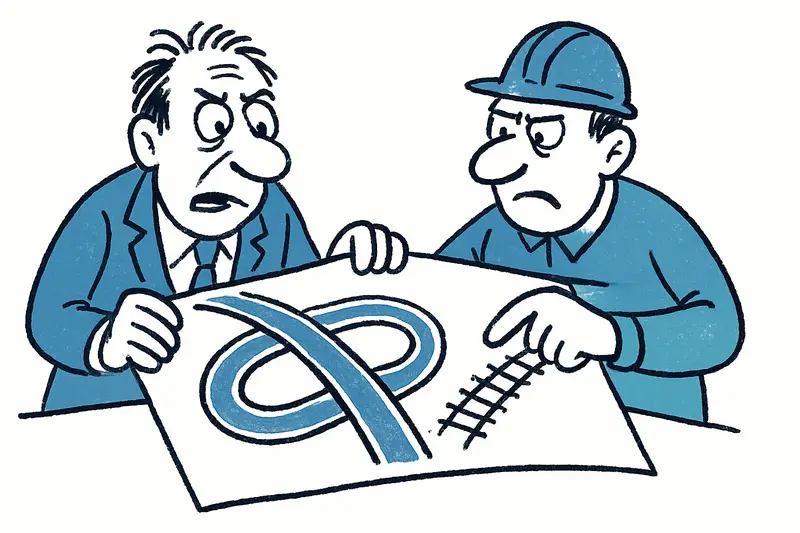
On a warm morning, while buses heading to Son Ferriol toot along Avenida Gabriel Roca and pigeons flutter over the asphalt, you can feel the everyday tightness of this corner of Palma. The island council has revised the plans for the new ring road — Rethinking the Ring Road: Tunnel, Rail Alignment and the Question of Benefit for Palma: an 845-meter tunnel, new underpasses, separated lanes for cyclists and pedestrians — and above all space for a future rail connection to Llucmajor. For many that sounds like progress; the real question, however, is: does the design really deliver lasting benefits for the people on site, or will it turn the construction phase into a stress test?
Why Coll d'en Rabassa Becomes a Key Site
In the draft, Coll d'en Rabassa plays a central role. A stop with park-and-ride is planned there — not just a simple station, but a transfer point where commuters can leave their car and switch to the train. For commuters from Llucmajor and the southern towns this could significantly shorten the daily journey; for the Vía de Cintura, which in the morning often stalls like an old minibus, this would be a desperately needed relief, as explained in El Consell insular modifica los planes del nuevo anillo de autopista — el tren a Llucmajor queda contemplado.
But planning also means relocating: the section between the airport motorway and Son Ferriol will be adjusted to make room for tracks. That sounds technically elegant, but we must ask who will bear the short-term costs — noise, detours, and construction traffic.
The Risks Often Overlooked
In public debate the figure of around €110 million and the target of approval in autumn 2025 are quickly quoted. Less visible are issues such as possible archaeological finds, effects on groundwater and local small businesses that could lose customers during months of construction. The risk of induced traffic must also not be underestimated: new road sections can attract more car traffic in the short term if attractive alternatives like a reliable train are not offered at the same time, a point covered by El Consell modifica el plan del anillo de la autopista: espacio para un nuevo tren a Llucmajor.
Another, often quieter point: how will the rail actually be integrated into an urban mobility network later on? A station without good bus and cycle connections stays half empty. Planning must therefore consider interfaces early on — bike lockers, safe crossings, timetable coordination with city buses.
Concrete Opportunities and Practical Solutions
The technical adjustment is a good first step. But for the plan to become a tangible gain, I propose several measures that also offer opportunities:
Phased construction with clear communication: schedule construction phases to spare heavily burdened residential streets; create permanent information channels for residents with construction calendars and noise monitors.
Noise protection and working hours: modern noise barriers, strict bans on night work in residential areas and compact construction phases reduce the burden — and keep neighbours' nerves intact.
Financing mix and transparency: EU funds for sustainable mobility, regional funds and clear public commitments prevent a one-sided burden on municipal budgets. Public tenders should favour local firms to secure jobs on the island.
Integration instead of isolated operation: Park-and-ride in Coll d'en Rabassa must be linked to Palma city buses and cycling services. Integrated tickets, coordinated frequencies and secure cycle parking increase the chance that commuters will actually use the train.
What We Should Watch — and How to Measure Success
In the coming months there will be reports, environmental assessments and tenders. Three metrics should be monitored critically: the actual reduction in travel time between the airport and the city centre, the share of commuters switching from car to rail, and local air and noise pollution. Without these benchmarks the project remains paper theatre.
For residents like María from Son Ferriol, who organises her daily life between the smell of coffee and construction notices, the project is ambivalent: hope for less congestion, but concern for quality of life. A fair promise to the people here means: construction management, transparent distribution of costs and noticeable improvements in public transport even before all works are finished.
The next time you are stuck in traffic on the Vía de Cintura and engines rumble in the summer breeze, it's worth taking a look at the planning documents — Rethinking the Ring Road: Tunnel, Rail Alignment and the Question of Benefit for Palma — and talking to the municipal administration. In the end it will not be the tunnel that shapes the city, but the decisions we make now — quietly, between noise and espresso, between planning and reality.
Frequently asked questions
What is planned for Mallorca’s ring road near Coll d'en Rabassa?
Will a future train to Llucmajor help reduce traffic in Palma?
What are the main risks of building the new ring road in Mallorca?
How can the ring road project in Palma be made less disruptive for residents?
Why is Coll d'en Rabassa important in the Mallorca rail plan?
When could Mallorca’s revised ring road plans be approved?
What should residents in Son Ferriol and nearby areas watch for during the works?
What makes a rail link in Mallorca successful in the long run?
Similar News
First Day, First Consequences: What Palma's Rent Freeze Really Means
A new decree stops a planned eviction in Palma — but what really changes for tenants and landlords? A reality check with...
When Housing Becomes a Matter of Survival: Mallorca Between Rental Frenzy and Everyday Life
The case of 87-year-old Maricarmen showed that on Mallorca many people's lives are poised between affordable and uninhab...
Autumn in Mallorca: When Melancholy Gets a Window
Why autumn quietly tightens here — and how to make use of the mood: walks, culture, candles and the light from Palma to ...
Near-miss on Lanzarote: Landing Ryanair Jet and Iberia Takeoff — what really went wrong
On Lanzarote there was a dangerous incident: A Ryanair flight (FR5910) from Dublin landed on runway 03 while an Iberia E...
Eurowings introduces new Premium Business seats on Mallorca routes
From December 1, selected Eurowings flights to Palma and other destinations will feature eight particularly generous sea...
More to explore
Discover more interesting content

Can Cap de Bou

Townhouse Lleo 72
