
Jan Hofer on Mallorca: Homesick for Wholegrain — Yet Settled
Jan Hofer on Mallorca: Homesick for Wholegrain — Yet Settled
The 75-year-old TV veteran lives on the island with his wife, takes small homeland trips to Can Pastilla and sometimes misses German wholegrain bread. Why that is more than an anecdote for Mallorca.
Jan Hofer on Mallorca: Homesick for Wholegrain — Yet Settled
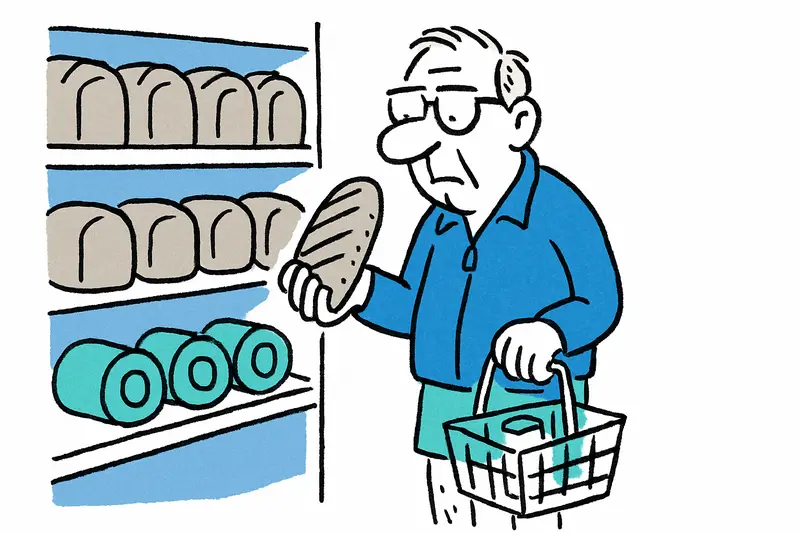
It's the kind of news that brings a smile on a gray January morning on the island: a man who worked in front of cameras for almost his whole life stands in a small supermarket in Can Pastilla and searches for the taste of his childhood. No state occasion, no scandal — just wholegrain bread and onion-spiced raw minced pork (Zwiebelmett) on the shopping list.
The 75-year-old Mallorca resident by choice lives on the island with his partner Phong Lan, as reported in Why Jan Hofer is staying in Mallorca — and declining the Jungle Camp. In everyday scenes that are often observed here, much feels familiar: he arrives in shorts and a jacket, the seagulls cry over Playa de Palma, a bicycle rolls past on the promenade, and cups clink at the kiosk. Such small trips to the German shop on the seaside promenade are for him more ritual than necessity — a little piece of home in his pocket.
His story is no exception: many who move to the island bring favorite foods, small habits, and sometimes a touch of homesickness. This observation is shared by many here and is explored in How Mallorca Really Becomes Your Home: A Practical Guide from Island Experience. He himself often speaks about how much he appreciates the slow pace, the bright mornings and the relaxed neighborhood. This observation is shared by many here: life on Mallorca has lost some of its heaviness, the hours feel freer.
The visit to the German supermarket is more than a shopping trip. For locals and newcomers it is a meeting point, a place where languages mix and recipes are exchanged. When someone crosses the streets of Can Pastilla on the way back with a shopping basket, glances meet, dogs are petted, and the smell of bread mixes with sea air. That's good for the island: small local sales, a bit more life in neighborhoods that are otherwise mostly used by tourists.
Of course wholegrain bread can be baked here as well. Bakers in Palma are increasingly experimenting with darker flours and longer fermentation times. Some pastry chefs and artisan bakers in the city have started to adapt recipes on request — not because a single celebrity demanded it, but because tastes and demand are changing. Other newcomers even start projects and shops, as described in Emigrants on the Island: Two Couples Start Anew – How Mallorca Benefits. This is an example of how exchange works: newcomers bring preferences, local providers respond, and in the end something new emerges.
What this small report says about the island is simple and important: Mallorca remains a place where people can keep their habits and at the same time find something new. There is room for memories of the old homeland and for the small joys of everyday life here — the fragile balance between the familiar and local life.
For the neighborhood this is interesting because it shows what integration looks like on a small scale. A grocery run, a conversation at the bakery counter, a brief encounter with locals — these are the moments in which community is formed. And they are quieter than any cover story, but perhaps more sustainable.
For those who now suggest that more wholegrain breads should be on the shelves: often one conversation with the baker around the corner is enough. And if enough people knock on that door, the oven will take a new direction. Small wishes, lively street scenes, a man who enjoys the morning sea air on the paseo — that's the island in miniature.
In the end it's a simple, warm anecdote: a 75-year-old who praises island life and occasionally searches for familiar flavors. For Mallorca this is more than a celebrity statement. It is an indication that the island has not lost its appeal — and that there is room here for homesickness and new beginnings alike.
Outlook: Small culinary gaps are easy to close when demand and craftsmanship meet. A few neighborhood conversations, an offer of traditional bread varieties in local bakeries — and another piece of everyday life that makes Mallorca more colorful is in place.
Frequently asked questions
Can you find wholegrain bread easily in Mallorca?
Why do some German expats in Mallorca still miss food from home?
What is daily life like for expats in Mallorca?
Is Playa de Palma a good area for everyday errands in Mallorca?
What is special about the German supermarket in Can Pastilla?
Do bakeries in Palma make darker breads or wholegrain loaves?
Why do many people say Mallorca feels easier to live in?
How do newcomers settle into life in Mallorca without giving up their habits?
Similar News

Mistaken identity with fatal consequences: Brutal assault in S'Aranjassa — what's missing in the follow-up?
At S'Aranjassa a visitor to a finca was tied up, beaten and thrown out of a van. Three men have been arrested, including...

High heel slips, car accelerates: accident on Camí de Son Hugo
A woman lost a high-heeled shoe on the forecourt of the sports facility at Camí de Son Hugo. The car accelerated, mounte...

Phone Scam: How Two Hotel Employees at Playa de Palma Lost Thousands of Euros
One morning in September, two reception employees at Playa de Palma were pressured by alleged alarm-company staff — in t...

When the Wallet Becomes a Danger: Attack in Peguera and Lessons for Mallorca
In Peguera, two women are said to have stolen the wallet from a 75-year-old German couple. When the victim intervened, t...
Plata stays Plata: Young people take over, Llonguets remain
A small bar on Carrer de l'Argenteria will continue: Tolo Serra hands the place over to young Mallorcans at the end of t...
More to explore
Discover more interesting content

Can Cap de Bou

Townhouse Lleo 72
