
Jet fuel, costs, chaos? Why Mallorca's summer flights suddenly seem fragile
Jet fuel, costs, chaos? Why Mallorca's summer flights suddenly seem fragile
Ryanair warns of fuel shortages due to the war in Iran — this can push up prices and disrupt flight schedules. A reality check for Mallorca: what is true, what is missing in the debate, and how should travelers and authorities respond?
Jet fuel, costs, chaos? Why Mallorca's summer flights suddenly seem fragile
Key question
Is Mallorca facing flight chaos this summer or just more expensive tickets — and who will ultimately pay the bill: holidaymakers, the airlines or the airports?
Summary
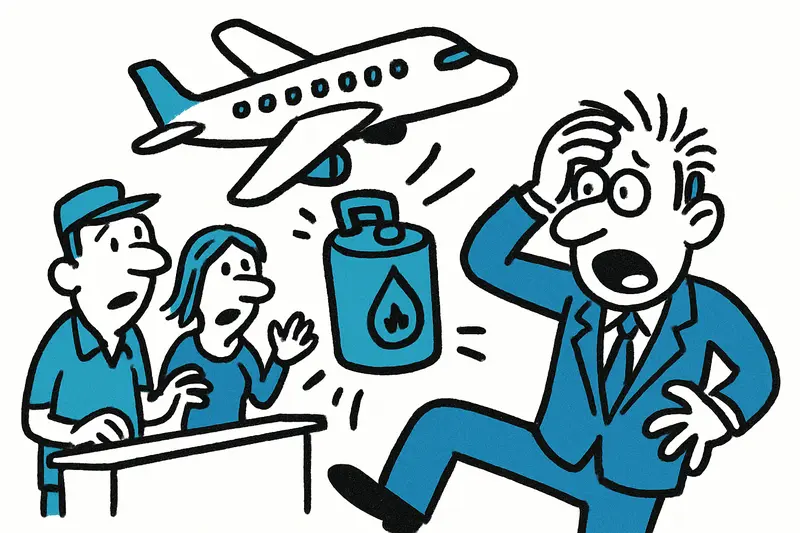
The low-cost airline Ryanair has publicly warned, as reported in Ryanair pulls back – what threatens Mallorca's tourism summer, that rising jet fuel prices and possible supply shortages could strain flight schedules during the summer season. According to the company, about 80 percent of its demand is covered by price hedging, leaving roughly 20 percent exposed. Initial shortages have been observed at some Italian airports or elsewhere (for example a jet fuel shortage in Hamburg), and the geopolitical situation in Iran is cited as a driver of higher fuel costs. For Mallorca this means: higher operating costs for airlines, the potential for short-term ticket price increases and, in the worst case, flight cancellations.
Critical analysis
The main point is simple: airlines operate in a market dependent on oil prices and supply chains. That Ryanair has hedged part of its fuel is a common tool; however, the remaining uncertainty of about 20 percent is not trivial when demand is high in June and July. Shortages in specific regions — for example in Italy — show how locally strained infrastructure can weaken international connections. In Mallorca, where Palma airport handles thousands of passengers on peak days, this could lead to noticeable disruptions if several airlines face similar problems.
What is missing from the public debate
There is a lot of talk about warnings and potential price rises, but little about the practical connections: how do fueling logistics and storage capacities work at regional airports? What role do state stockpile strategies or multilateral procurement within the EU play? And: how dependent are Mallorcans specifically on certain airports or supply chains, for example compared with ferry connections or rail links on the mainland? These questions determine whether a warning leads to temporary price movements or to real reductions in transport services.
A scene from Palma
On Passeig Mallorca a beach towel seller sits in front of her small stall, hears the buses wheeze and absentmindedly tugs at a corner. She has relatives who want to come in July. Her first reaction, when I ask her, is practical: "If the flight gets more expensive, they'll come later, or by ferry." Next to her a taxi driver straightens his jacket and murmurs that many customers already book early — because of the prices. These everyday snippets show: for us it is not only about global market developments, but about booking decisions at small kiosks and vacations that may be postponed.
Concrete solutions
- Airports and authorities should disclose fuel logistics: what storage capacities exist in Palma, how are supply chains organized, and which alternative suppliers can step in at short notice? Transparency would curb speculation and stabilize booking behavior. - Regional coordination: a joint procurement strategy for several Spanish airports or an EU-supported emergency reserve could ease shortages. This is not a quick fix, but a plan for the coming years should be discussed now. - Airline strategies: better communication about hedged volumes and scenarios in case of further escalation. Flexible fares with clear cancellation or rebooking conditions for passengers would be fairer than blanket last-minute price hikes. - For travelers: book early but pay attention to flexible fares and check travel cancellation and payment protections. If in doubt, plan alternative routes early (different carriers, days or ferry options). - Local economy: hotels and tour operators should proactively share cancellation deadlines and information with guests so bookings do not fall through at the last minute and bad reviews are avoided.
What policymakers can do
The Balearic government and the airport operator should be more open with numbers: inventory levels, maximum daily supply, capacities for fuel tankers and possible bottlenecks. Foreign and economic ministries could also support diplomatic efforts to ease the supply situation — or agree on short-term measures for strategic deliveries. Diplomacy has limited short-term effect; in the medium term, however, coordination and planning help. This is important given how the winter flight schedule is shrinking.
Conclusion
Ryanair's warning is not a reason to panic, but it is a wake-up call. For Mallorca this means: the island is vulnerable to external shocks in fuel supply — the consequences range from noticeably higher airfares to isolated service failures. What helps now are clarity, coordinated procurement plans and practical advice for travelers. Anyone planning to arrive in July would do well not to rely solely on the cheapest last-minute deal. In Palma the quiet ticking of the clock is already audible: those who decide now will spare themselves unnecessary trouble later.
Frequently asked questions
Will Mallorca flights be more expensive this summer because of jet fuel prices?
Could flights to Mallorca be cancelled because of fuel shortages?
When is the best time to book a flight to Mallorca if prices are rising?
What should I do if my Mallorca flight becomes more expensive after I book?
Why are Mallorca flight prices affected by global oil and geopolitics?
How busy is Palma airport in summer, and why does that matter for delays?
Are ferry options a realistic backup if flights to Mallorca get too expensive?
What can Mallorca travelers do to avoid problems if summer flights become unstable?
Similar News

When the Wallet Becomes a Danger: Attack in Peguera and Lessons for Mallorca
In Peguera, two women are said to have stolen the wallet from a 75-year-old German couple. When the victim intervened, t...
Plata stays Plata: Young people take over, Llonguets remain
A small bar on Carrer de l'Argenteria will continue: Tolo Serra hands the place over to young Mallorcans at the end of t...

Unnoticed in the Luggage Compartment: How a Boy Traveled More Than 100 Kilometers in a Team Bus
A minor traveled in the undercarriage of a team bus for more than 100 kilometers until his cries for help were heard. A ...

Cap Vermell Grand: Second Michelin Key – a Gift for the East
The Cap Vermell Grand in Capdepera has been awarded its second Michelin key. For the region this elevates the luxury off...
Eurowings lets four aircraft carry names – a friendly idea that also reaches Mallorca
Eurowings is launching a campaign: four Airbus A320s are to carry the first names of people who help others in everyday ...
More to explore
Discover more interesting content

Can Cap de Bou

Townhouse Lleo 72
