
La Seu rings in the Gaudí year: exhibition, talks and a major Advent date
La Seu rings in the Gaudí year: exhibition, talks and a major Advent date
The cathedral of Palma launches a program on February 8 for the 100th anniversary of Antoni Gaudí's death: kickoff mass, exhibition, lectures and expert panels leading up to the major December date.
La Seu rings in the Gaudí year
From Sunday bells to the December anniversary: cultural program in Palma
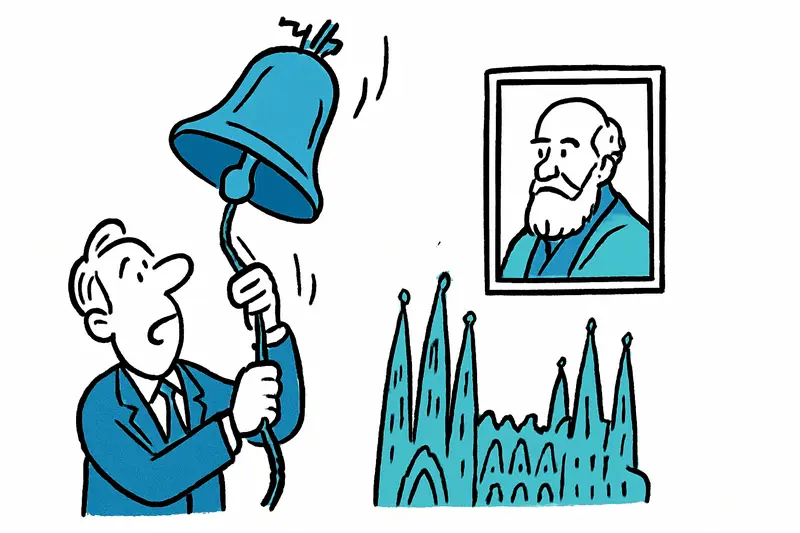
On the coming Sunday, February 8, the mass at Palma's Cathedral of Santa Maria of Palma (La Seu) — Wikipedia will mark the start of a year of remembrance for Antoni Gaudí. In 2026 it will be one hundred years since the Catalan architect died. The cathedral has taken the occasion to set up a program spread across the year: a special exhibition, lectures, meetings of experts — and on December 8 a central date that recalls the beginning of Gaudí's first renovation phase at La Seu in 1904.
Anyone who enters the Plaça de la Seu that Sunday will first hear the bells and see the light reflections on the sandstone pillars. The seats are warmed by sunlight, mopeds rumble along the Passeig del Born outside, and at the edge of the square the smell of freshly brewed coffee drifts from the cafés. For many residents this kind of kickoff is not an elite cultural event but a moment that links everyday city life with memory. This connection is also evident in Under the Seu: Palma's Maritime Museum Reopens After Renovation.
The planned exhibition will highlight Gaudí's traces in the cathedral and show the changes La Seu underwent in the early years of the 20th century. In addition, lectures and expert panels are planned, designed both for a professional audience and for interested laypeople. The organizers have stated the goal of making history not only visible but experiential — for example through conversations with restorers, short guided tours and special offers for school classes.
For the island, a year-long program like this means more than mere cultural maintenance. It connects craft, tourism and educational work: restorers, local guides and bookshops can take part in readings and workshops; schools could plan excursions; hospitality businesses in the surrounding alleys look forward to extra foot traffic. When the market stalls at Mercat de l’Olivar open in the morning, visitors might stop for a coffee after a tour — a small but noticeable boost for the city center.
Practically speaking: those who want to participate should check in advance whether tours or lectures require registration. People with reduced mobility should inquire whether accessible options are planned. A visit pairs well with a walk along the palm-lined promenade at Parc de la Mar; in winter the air is clear, the Tramontana wind usually stays away, and the sun scatters a pleasant, mild light over the façade.
The celebration on December 8 has a special significance: on that date in 1904 the first phase of Gaudí's interventions at La Seu began. The December date is therefore not arbitrary but a historical anchor point where results, research and debates can converge. For museum professionals and architecture lovers it will surely be a draw — for the city an opportunity to make discussions about monument conservation and the use of public spaces visible.
A small practical suggestion to finish: those who want to do more than consume the Gaudí year and would like to help shape it can look for local offerings — such as architecture-focused city walks, lectures in cultural centres or small workshops in craft studios. Such links between cultural institutions and everyday life in Palma make the project lively and useful for locals and visitors alike.
So for the kickoff on Sunday: open your windows, listen to the bells, take a moment to walk into the cathedral and see how old stones spark new conversations. It is a small, good promise of the encounters that 2026 may yet bring to the city.
Frequently asked questions
What is happening at La Seu in Palma for the Gaudí year?
When does the Gaudí year at Palma Cathedral begin?
What can visitors see or do during the Gaudí program at La Seu?
Why is December 8 important for La Seu in Palma?
Do you need to register for the events at La Seu in Palma?
Is La Seu in Palma accessible for visitors with reduced mobility?
What is the best time of year to visit La Seu and Parc de la Mar in Palma?
What does the Gaudí year mean for Palma’s city centre?
Similar News
Injured captain, big plans: Germania Mallorca before the away match in Consell
The newly founded FC Germania Mallorca travels to Consell on Saturday. Captain Bastian Müller is out injured, but coach ...
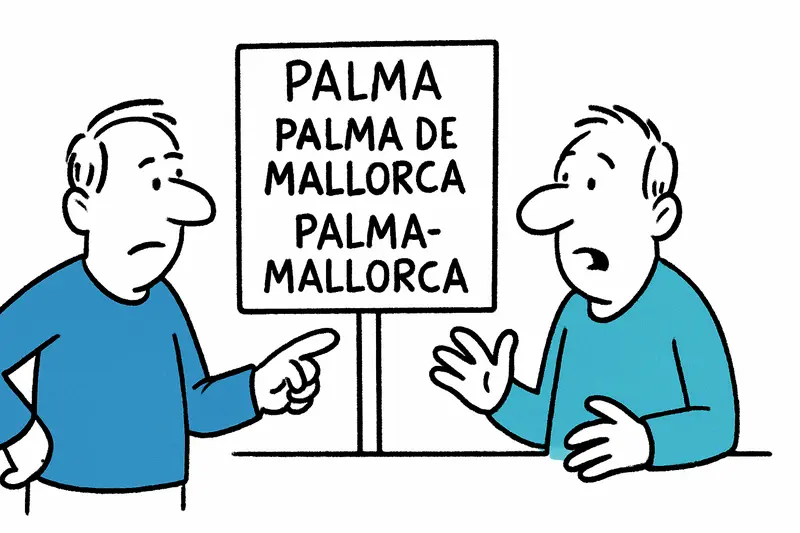
Palma, Palma de Mallorca, Palma‑Mallorca: What is it really about?
The debate over the city's name is more than grammar: it concerns identity, law and branding policy. A sober reality che...
Warning to Bathers: Nipping Fish in Cala Major and Other Coves — a Reality Check
In Cala Major and several beaches around Mallorca, bathers report painful “nips”. Who are the animals, why are they gett...
Rental Car Theft in El Arenal: What This Incident Reveals About Our Gaps
A teenager steals a running rental car in El Arenal, flees on foot, climbs over walls and is caught by the Guardia Civil...
Red Rope in Palma's Library: What Helps Against Selfie Tourism — and What's Missing
Palma's city library cordoned off an area with a red rope to keep selfie tourism away from reading and working activitie...
More to explore
Discover more interesting content

Can Cap de Bou

Townhouse Lleo 72
