
What Lies Beneath Mallorca's Coast: Trash Slipping Out of Sight
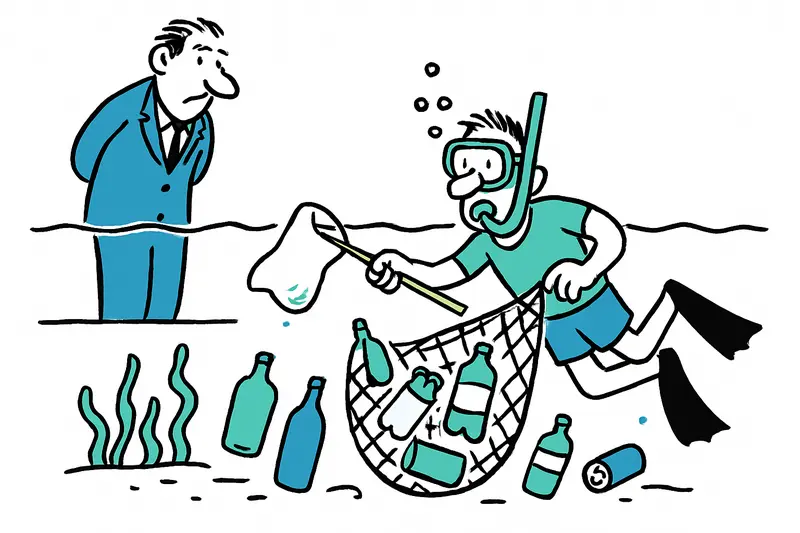
A recreational diver pulls nets full of plastic from the water in Portet d'es Salinar. The images are more than a nuisance — they reveal a systemic problem that links tourism, harbor management and everyday life.
What we don't see on the surface: plastic and net remnants under Mallorca's waves
It was just after nine, the sun was sparkling on the water of Portet d'es Salinar, seagulls cried in the distance and a motorboat slipped quietly past the bay. At first glance: a beautiful summer coastline. Then a video, three minutes, no staging, just a man with a dip net. He pulls bottles, snack wrappers and pieces of nets from the water. The key question the clip raises is simple and disturbing: how clean is our picture of the sea if we only look at the surface?
Everyday life under the water – impressions we rarely get
Anyone who has ever briefly dived with a mask and snorkel knows it: a different blue, denser life, seagrass meadows, small schools of fish. The footage from Portet shows something else: light plastic caught between Posidonia leaves, small bags tugging at the surface, and thin fishing lines wrapping around plants like cobwebs. It's not a disaster movie, but a sober inventory. The diver doesn't appear dramatic; he is angry and disappointed at the same time: 'I couldn't believe it,' he says in the clip. And that's the problem – we often don't see it.
Why this is more than an aesthetic issue
Plastic parts don't simply rot away, they break down. Large bags eventually become microfragments that enter the food chain. Posidonia meadows, which provide oxygen and serve as nursery grounds for many species, suffer when foreign threads and nets entangle them. The consequences go further: tangled nets make fishing harder, polluted bays spoil the beach image – and with it, in the long term, what many depend on here: visitors and income.
What is often overlooked: the source of the problem is multi‑factorial. Small carelessnesses on the beach add up with unsecured loads on boats, trash blown from parking lots into ravines, and too few or hard-to-reach collection points. Seasonal peaks add to it: on weekends and during high season months the inflow of waste increases considerably. As local reporting documents, Almost 6.5 Tons of Waste in July: Why Mallorca's Coasts Keep Struggling.
What the footage does not show – and why that matters
The video documents the symptoms, but less so the mechanisms behind them: who are the main polluters? How do fiber remnants get into the seagrass beds? How effective are controls in small marinas? There is an information gap here. Related investigations include Who cleans up the sea? Almost eight tons of waste off the Balearic Islands — and the uncomfortable answers. Without systematic recording, many measures remain reactive: clean-ups help locally but do not change the waste drift paths or the municipalities' disposal logistics.
Concrete opportunities and steps that can quickly make a difference
The good news: many solutions are practical and can be implemented locally. They require coordination more than large budgets.
1. Better infrastructure at access points: More trash cans at parking lots and viewpoints, secure containers with lids to protect against wind, and easily accessible collection points in small towns.
2. Involve ports and boats: Mandatory securing of loosely transported goods on boats, better waste reception at harbors, incentives for charter companies to collect waste instead of dumping it overboard.
3. Stricter controls and sanctions: Clearer rules against illegal disposal and their consistent enforcement – not just on paper, but visible to the public.
4. Data instead of impressions: Regular documentation by local dive groups and volunteers: waste counts, GPS recordings to identify hotspots. This knowledge makes measures targeted.
5. Tourism and gastronomy as part of the solution: Multilingual signs on beaches, fewer single-use items in beach bars, cooperation between municipalities and hotels for collection campaigns.
Practical on site: What anyone can do today
If you go to the beach tomorrow: take a pair of gloves, a bag, and stay five minutes longer. Divers can report finds so municipalities know where problems recur. Municipalities should not only tolerate volunteer actions but coordinate them – with pickup schedules and tools. These small tasks may seem trivial, but they build pressure on administrations to finally act strategically.
A final look below the waterline
Portet d'es Salinar is not an isolated case but a mirror of how we treat our coastline. The video has woken up the neighborhood – and that's a good thing. For regional cleanup context see Almost 37 Tons of Waste: What Mallorca's Cleanup Fleet Really Tells Us. The question remains whether we can turn outrage into institutional change: better infrastructure, clear rules and regular data collection. Without that, the sea surface will remain nicely arranged while broken glass and snack bags continue to drift below. And that would be too little for an island that depends on the sea.
Frequently asked questions
Why does Mallorca's sea look clean even when there is trash underwater?
What kind of waste is usually found under the water in Mallorca?
Why is plastic waste a problem for Mallorca's Posidonia meadows?
When is Mallorca most affected by beach and sea waste?
What can beaches and towns in Mallorca do to reduce coastal litter?
Can visitors help clean Mallorca's beaches without joining an organized campaign?
Where was the underwater trash video in Mallorca filmed?
Why does marine litter matter for Mallorca's tourism and local economy?
Similar News

First Day, First Consequences: What Palma's Rent Freeze Really Means
A new decree stops a planned eviction in Palma — but what really changes for tenants and landlords? A reality check with...

When Housing Becomes a Matter of Survival: Mallorca Between Rental Frenzy and Everyday Life
The case of 87-year-old Maricarmen showed that on Mallorca many people's lives are poised between affordable and uninhab...
Autumn in Mallorca: When Melancholy Gets a Window
Why autumn quietly tightens here — and how to make use of the mood: walks, culture, candles and the light from Palma to ...
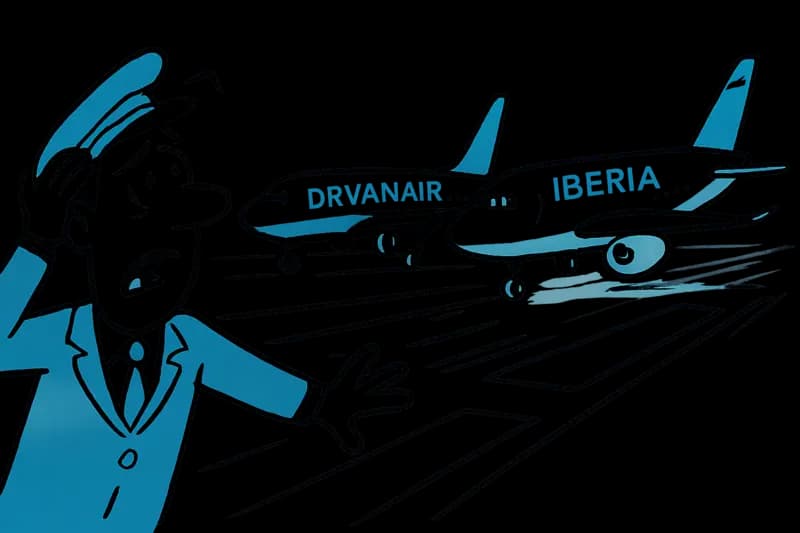
Near-miss on Lanzarote: Landing Ryanair Jet and Iberia Takeoff — what really went wrong
On Lanzarote there was a dangerous incident: A Ryanair flight (FR5910) from Dublin landed on runway 03 while an Iberia E...

Eurowings introduces new Premium Business seats on Mallorca routes
From December 1, selected Eurowings flights to Palma and other destinations will feature eight particularly generous sea...
More to explore
Discover more interesting content

Can Cap de Bou

Townhouse Lleo 72
