
6.5 Tons of Waste in July: Why Mallorca's Coasts Keep Struggling
Almost 6.5 tons of debris were fished out of the water off the Balearic Islands in July — more than half around Mallorca. An eyewitness account and analysis: why the clean-up efforts are not enough and which solutions are needed now.
6.5 tons of waste in July — and the question remains: Are clean-up actions alone enough?
When the smell of the sea and fresh croissants hangs over the Passeig de Born in the morning, hardly anyone thinks of tires and plastic buckets drifting out at sea. Still, the Balearic government’s tally for July pulled almost 6.5 tons of waste from the sea — and Mallorca was the hardest hit with about 3.6 tons.
A morning at sea: Cala Blava and the small collection of big problems
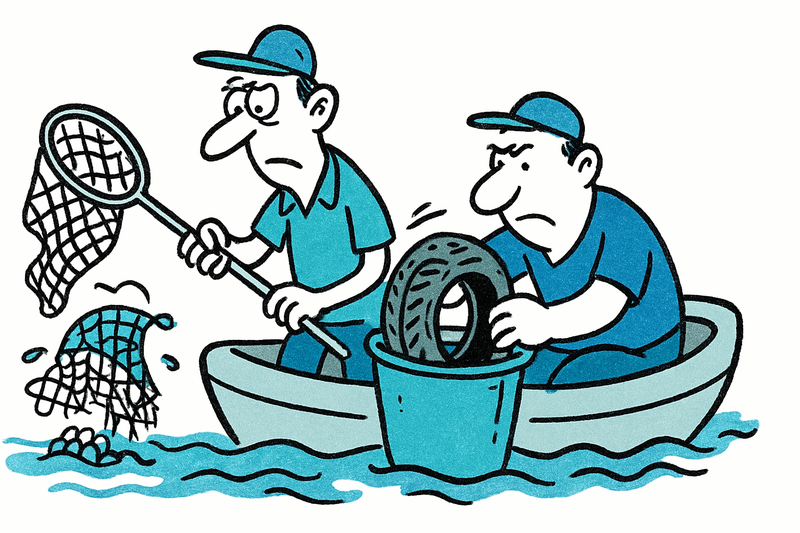
Last week I went out with a small crew to Cala Blava. The boat jolted, seagulls circled, and the wind blew salt into our hair. From a distance the water looked clear. Until we became entangled in a floating cluster: polystyrene, bottles, a knotted fishing net. In an hour we collected a load that at first glance seemed harmless — until you consider the bigger picture.
The list of finds is familiar and depressing: old car tires, plastic buckets, net remnants, larger pieces of wood. Authorities speak of roughly half as much plastic of the total amount. That is the visible side. The less visible: microplastics, damaged seabeds from submerged nets, and the economic costs for fishers and tourism providers.
The central question: Why isn't it getting better?
This development raises a simple but pressing question: Why doesn't the amount of trash decrease despite regular operations? The short answer is: because clean-ups only treat the symptoms. Deeper causes usually remain unaddressed — and that makes the problem persistent.
Among the little-highlighted causes are:
1. Loss of fishing gear: Old or lost nets and lines often drift for years and tear other equipment with them. They are known as “ghost nets” and harm animals and the seabed.
2. Illegal dumping and inadequate marina infrastructure: Not all marinas offer simple, free disposal options for boat waste. Those who dump at sea rarely become visible — except in the waste statistics.
3. Weather and currents: Strong winds, swell after weeks of boat traffic and runoff from rain send bottles, packaging and fuel residues into the sea. Especially after storms, large quantities of disordered material end up in unusual places.
What is often neglected — and why it matters
In public debate, images of volunteer teams dragging bags full of bottles up the beach dominate — a dynamic examined in Who cleans up the sea? That is important and commendable. What is often overlooked are the following aspects: the costs of professional recovery, legal pursuit of those responsible, and the long-term burden on habitats. And yes: the recovery itself can be dangerous when fuel or chemical residues are involved — a problem that became visible during special operations in July.
There was a positive moment nonetheless: during one operation a lost sea turtle was rescued. Moments like that remind us why the work is necessary — and emotionally connect people to the sea.
Concrete opportunities: What could help now
The good news: there are tangible measures that bring more than new cleaning crews. Some proposals that could have quick local impact:
- Better marina services: Free, easily accessible disposal points for boat waste in all marinas — including separate collection points for nets.
- Return incentives: Programs that financially or materially reward fishers for returning old nets and lines.
- Upgrading surveillance: More controls at sea and stronger monitoring after strong winds, coupled with clear fines for proven illegal dumping.
- Prevention on land: Improved stormwater and road runoff systems so less waste is washed from land into the sea.
- Networking volunteers and professionals: Mobile teams that provide training, equipment and logistics for volunteers — making operations safer and more sustainable.
What each of us can do
The standard recommendation is no surprise: every bag of rubbish helps. But more concretely: if you are on the beach, take more than just your own waste. Boat operators plan disposal before departure. Coastal restaurants and kiosks reduce single-use packaging and offer alternatives. And local politicians invest purposefully in marina infrastructure — this is not a luxury, but prevention.
The sound of the waves, the horn of distant boats and the smell of morning coffee should no longer be accompanied by the uneasy feeling of finding plastic bits while rinsing a beach chair. If the island community acts now — with a clear strategy instead of just gloves and garbage bags — we can ensure the bays stay cleaner in the long run. And the turtles we rescue will thank us anyway.
Frequently asked questions
Why is Mallorca's sea still filling up with waste despite regular clean-up efforts?
What kind of waste is most often found in Mallorca's waters?
Is swimming in Mallorca affected by sea pollution?
When is Mallorca's coastline most likely to collect washed-up waste?
What can Mallorca marinas do to reduce marine waste?
Why are lost fishing nets such a problem around Mallorca?
What can beach visitors in Mallorca do to help with sea pollution?
What should Mallorca boat owners do before going out to sea?
Similar News

Suspicion of Date-Rape Drugs in Palma: Trial, Questions and the Gaps in the Protection System
A German man is on trial at the Palma court accused of rape; prosecutors suspect date-rape drugs were involved. What is ...

Raid at Playa de Palma: When Homemade Bars Become a Problem
Between September 11 and 13 police at Playa de Palma seized 18 speakers and issued 24 charges. Who draws the line betwee...

Burglary in Llubí: Arrest Raises Questions About Security in Mallorca's Countryside
A 21-year-old was arrested in connection with a burglary in Llubí. Cash, jewelry and electronics worth around €40,000 we...

Lost Trust: How a Phone Theft in Peguera Exposes Police Responsibilities
A 90-year-old holidaymaker is robbed in broad daylight in Peguera. His passage through police stations and taxi receipts...
When many security screeners suddenly fell ill: Who protects the passenger?
Short-notice sick reports at a large security company led to long queues at Cologne/Bonn airport. A reality check for tr...
More to explore
Discover more interesting content

Can Cap de Bou

Townhouse Lleo 72
