
Almost 6.5 Tons of Trash in July: The Summer Clean-Up off Mallorca's Coasts
In July nearly 6.5 tons of waste were recovered from the sea off the Balearics — about 3.6 tons just off Mallorca. Why does so much end up in our bays, and what needs to change?
Almost 6.5 tons of waste in July: The summer clean-up off Mallorca's coasts
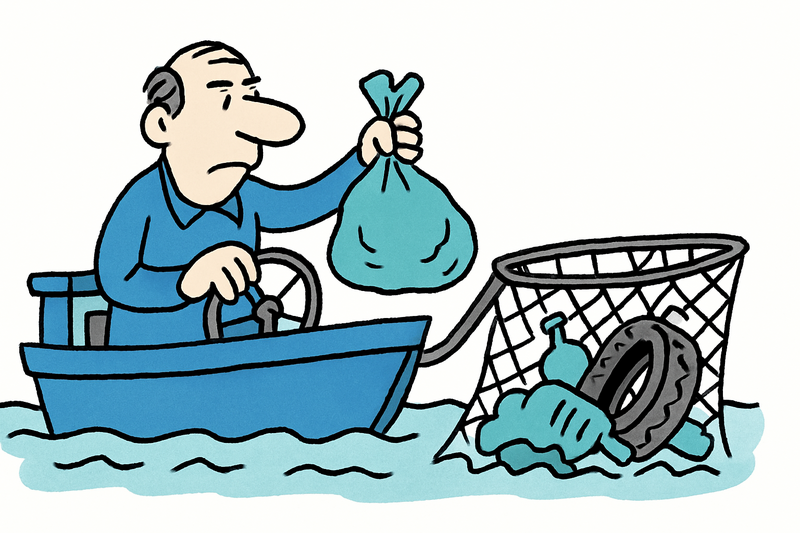
It's an image that's hard to believe on warm summer mornings along the promenade: helpers in gloves, boats slowly moving along the coast, and sacks filling up. Statistics say: in July almost 6.5 tons of waste were pulled from the water off the Balearics, about 3.6 tons of that off Mallorca alone. See 6.5 Tons of Waste in July: Why Mallorca's Coasts Keep Struggling for the original tally. A figure that hurts — and raises questions.
The key question: Why does so much end up in our waters?
At first glance the explanation seems obvious: high season, more boats, more people on the beach. But that is too simple. Several sources come together: lost fishing lines and nets from fisheries, waste from leisure boats, improperly discarded beach trash bags, wind that carries light plastic debris from promenades into the bays, and old floating parts gathered by currents. Seasonal effects also play a role — strong Tramuntana winds or southern swells that bring debris from other parts of the archipelago.
What is often missing from the debate is the role of lost fishing gear. Dyneema lines, net fragments and fishing lines are durable and invisibly deadly to marine animals. A dive team found a sea turtle entangled in a plastic net in July — rescued, gasping water, an animal that breathed again. Scenes like this show that it is not just about aesthetics, but about life.
What was found — and why it matters
The list of finds sounds harmless and is not: car tires, plastic buckets, chunks of polystyrene, wooden planks, fishing line. Almost half of the recovered material was plastic. Plastic breaks down but does not disappear: it becomes microplastic that affects fish, shellfish and ultimately humans. Wood and organic debris may seem more natural, but they also alter local habitats, shading seagrass meadows or getting caught in coral-like structures.
Who cleans up — and how is disposal handled?
Municipal teams, the coast guard, fishing associations and volunteers are involved in the operations. In the mornings on the Passeig in Palma you hear the chug of small workboats, the cries of seagulls and the dull thud of nets. After recovery, items are sorted: recyclable plastics separated, tires and oil residues disposed of properly. Not everything can be recycled; some items are sent to special disposal facilities on the mainland. These roles and the actors involved are described in Who cleans up the sea? Almost eight tons of waste off the Balearic Islands — and the uncomfortable answers.
What is missing in the public discussion
We often talk about the visible piles on the beach but not about the invisible sources: poor disposal facilities in marinas, no obligation for waste return by rental boats, illegal dumping at sea and lack of equipment for rapid containment of oil spills. Equally invisible is the burden carried by lost nets over years — so-called 'ghost nets' that continuously catch animals without being noticed.
Concrete opportunities and solutions
The good news: many measures are practically feasible. In the short term, better disposal stations in ports and clear instructions from boat rental companies help. A requirement to bring collected waste ashore — combined with inspections — could return more debris. For fisheries, incentives to return old nets and a deposit system for expensive ropes would be useful. Technically, GPS-marked find spots and regular cleaning routes can help address hotspots. The scale and challenges of the cleanup fleet are analyzed in Almost 37 Tons of Waste: What Mallorca's Cleanup Fleet Really Tells Us.
In the long term political steps are needed: stricter controls under MARPOL rules, funding for restart programs that pay fishing cooperatives for recoveries, and education programs in schools and tourist centers. Funding for volunteer dive teams and coordinated night patrols would improve rapid response to oil or net incidents.
Small actions, big impact
In daily life on Mallorca much can be done: collect waste not only on the beach but also on boats; report lost fishing line immediately; encourage hotels and landlords to use reusable alternatives instead of single-use items. It is often small routines that add up. Anyone who has smelled the salty air at a cleared cala knows: the sea does not thank you with words, but with clearer water and more fish.
Conclusion
The tally for July is serious. Almost 6.5 tons of waste is not just a statistical problem but a direct mirror of our everyday life. And yet the summer clean-up also shows positives: people taking action, quick rescues of turtles, and growing awareness in ports and communities. The challenge is clear: we need better infrastructure, binding rules and more responsibility — from tourists to business owners. Otherwise the sea off our beaches will remain a constant dump, no matter how beautiful the sunrise over Palma may be.
Frequently asked questions
Why is so much waste collected off Mallorca’s coast in summer?
Is the waste found off Mallorca mostly plastic?
Who cleans up waste from the sea around Mallorca?
Why is lost fishing gear such a problem in Mallorca’s waters?
Can wind and currents bring rubbish to Mallorca from other places?
What can boat owners and rental guests do to help keep Mallorca’s sea clean?
What happens to the waste collected in Palma and along Mallorca’s coast?
What are the most effective ways to reduce sea pollution around Mallorca?
Similar News

Masked Images, Real Panic: When Social Media Aesthetics Alarm Neighbors
Five German content creators filmed on a recently vacated detention site using deceptively realistic props. The result: ...

Why the Striped Breams in Cala Pí Should Be a Wake-up Call
Once again bathers in Cala Pí were surrounded while swimming by small, nippy fish — some wounds bled. Time for clear rul...

Daily from New York: How Palma's Air Traffic Is Growing — and What Must Change
United will increase the Newark–Palma service to daily flights in 2027 (Boeing, 231 seats). Strong tourist numbers clash...

When Love Ends in Shards: Destruction in Son Vida and the Questions That Remain
In Son Vida a relationship dispute escalated: a woman destroyed furniture in a luxury villa, later pressed a panic butto...

Who Bears the Burden? Mallorca Between Tenant Protection and Landlord Fears
Madrid's new housing decrees strengthen tenant rights — but on Mallorca concern is growing: will the law drive small lan...
More to explore
Discover more interesting content

Can Cap de Bou

Townhouse Lleo 72
