
Look me in the eyes — and tell me what is missing
Guiding question: Are we in Mallorca unlearning to read faces because we hide behind screens? A personal reality check with an everyday scene from Palma, an analysis of the consequences and concrete suggestions for more presence.
Look me in the eyes — and tell me what is missing
Guiding question: Are we unlearning to pay attention to one another because digital habits veil our faces?
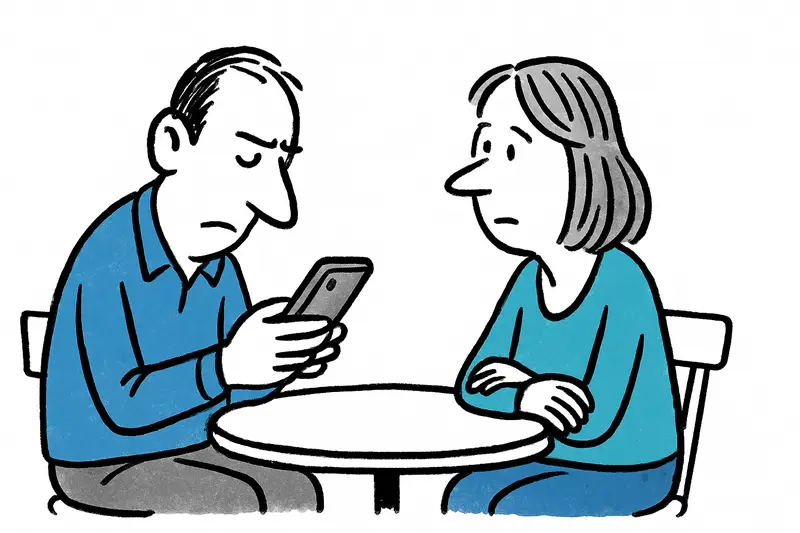
I sit in the Fronda, the large garden center on the main road, among rainbow pots, the smell of potting soil and the constant beeping of the till. Outside a delivery van rumbles along Passeig Mallorca, inside people are talking, some loudly, some not at all. A couple at a small table next to me: he types, she looks into the courtyard. Every now and then a smile flashes across her face, brief, hardly more than a movement. I wonder: did I witness just a fleeting moment or a symptom of our time? Such an observation recalls Emily Gierten and the Invisible Island Everyday: Between Children's Laughter and Loneliness.
Critical analysis: Our ability to read facial expressions formed over millennia. On Mallorca, where in the afternoons neighbors stand on balconies and faces are familiar, this ability was always part of social life. This continuity is echoed in Mallorca Seen Anew: A Photobook That Slows You Down. Today much shifts to the digital. Messengers, emojis, voice messages — they do not replace the echo of a gaze. The problem is not only nostalgia. If we come to reduce signals to emojis, nuances wither: a resigned lift of the eyes, a small frown, an eye roll as a sign of contempt. Such micro-signals give clues about how relationships come under strain long before words are spoken.
What is missing in the public discourse: debates about digitization often revolve around network expansion, rules for tourists or eco-taxes — rarely about the quiet community effects that lost faces have on friendships and neighborhoods (see Between Welcome and Wariness: Germans in Mallorca — What's Really Happening). It's rarely headline news when couples speak less or when parents scroll side by side on the couch instead of asking how the day really was. Such changes are creeping. They are not easy to quantify, so they're overlooked.
An everyday scene from Palma that says more than a study: On my way to the market at Plaça de Cuba I often see the same scene — two neighbors, one with shopping, the other on a folding chair in front of the door. Before they would stop for ten minutes, swap stories, check on the grandchildren. Now: a quick glance, two smileys, move on. What's missing is the span of time in which a face has the chance to show something and be understood.
Concrete approaches: 1. Instead of blanket app bans: introduce rituals — evening phone-free time at the dinner table or a Monday walk without phones. 2. Strengthen local meeting places — cafés and markets that encourage conversation, with simple communication: a sign "Please put phones away" often works better than bans. 3. Involve schools — exercises in recognizing facial expressions in social classes, simple role plays that help maintain eye contact. 4. Encourage employers — short standing meetings without screens to practice direct exchange. 5. Conscious role-modeling: parents and older neighbors should show these signals — attention is contagious. Practical guides such as How Mallorca Really Becomes Your Home: A Practical Guide from Island Experience argue for similar small everyday anchors.
What this concretely means in Palma: A shopkeeper in Santa Catalina who meets a customer's eyes for five seconds during payment can create more connection than ten newsletters. A small bar in La Lonja that invites conversation instead of a loud playlist suddenly becomes a meeting place again. Such simple things cost little but bring back presence.
Sharp conclusion: Faces not only conceal false intentions — they are also the interface to genuine closeness. We shouldn't panic; digitization is not inherently evil. But it's our task to shape habits that don't make us blind. On Mallorca, where community can be felt almost physically, this could even be a local project: fewer commented posts, more unmediated looks. If we unlearn this, we lose much more than a smile.
Frequently asked questions
When is the best time to visit Mallorca for sunny beach days and lighter crowds?
Do I need a car to explore Mallorca, or are public transport and bikes enough?
What should I pack for a trip to Mallorca, especially for outdoor activities?
Are there family-friendly beaches in Mallorca, and what should families expect?
What are must-see outdoor experiences in Mallorca?
What should I know about opening hours and siesta culture in Mallorca?
Is it safe to swim on Mallorca's beaches, and what should I watch for?
What are popular day trips from Palma, and how can I plan them?
Similar News
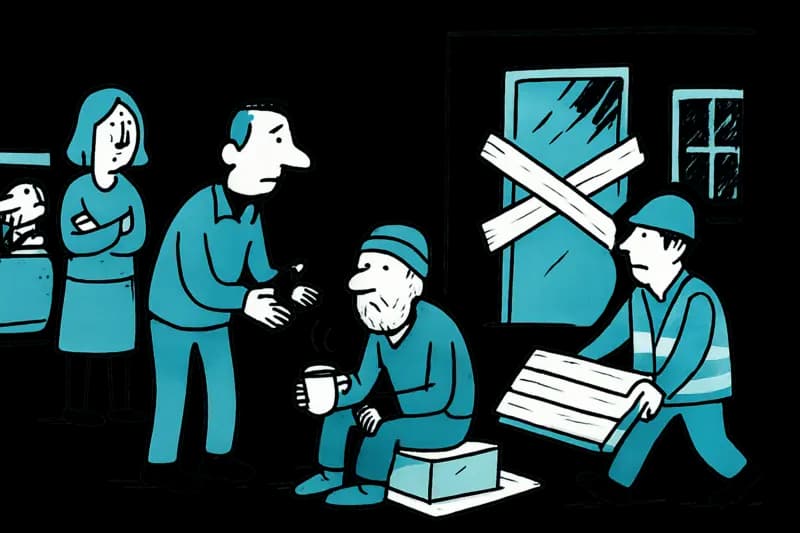
Eviction in El Arenal: Who protects neighbors — and who protects the homeless?
A vacant hotel on Carrer Girona was cleared and secured. The neighborhood breathes a sigh of relief. But the action trea...
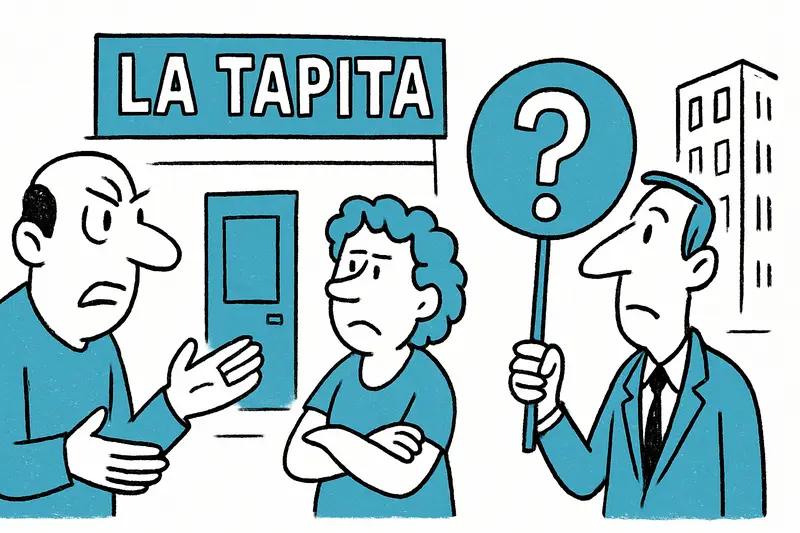
'La Tapita' loses its home: Who will protect Palma's last affordable meeting places?
The bar 'La Tapita' on Simó-Ballester Street will close at the end of December. For neighbors, police officers and small...

Million Heist at Bulgari: Who Is Responsible for Palma's Security Gaps?
Three men stole jewelry worth around one million euros – the crime series began at the end of September and was likely c...
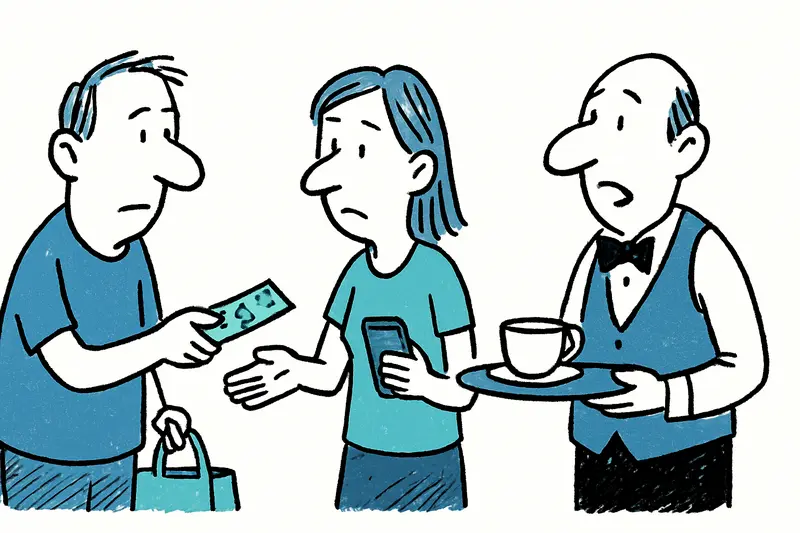
Who pays the bill? Tourists, prices and the reality in Mallorca
Rising costs are felt by travelers and locals alike. A walking observation through Palma's old town shows how tourists e...
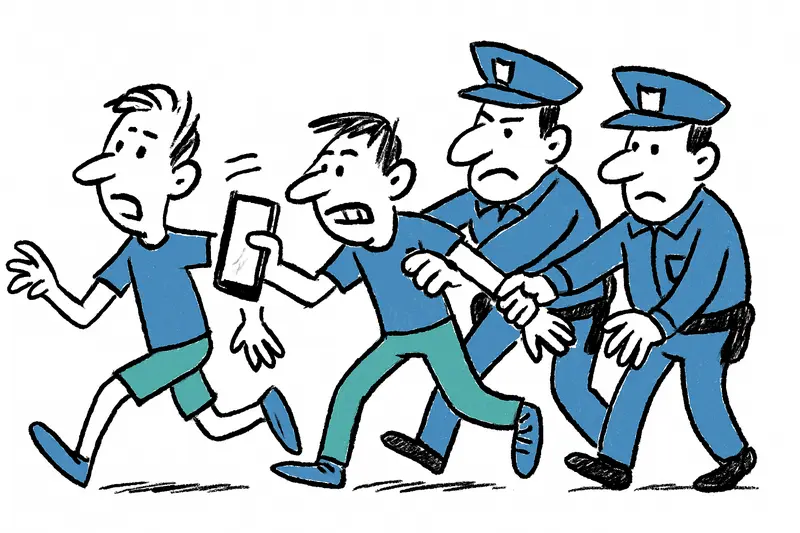
Phone robbery at Playa de Palma: Two juveniles arrested — a reality check
On Monday morning three young women were attacked at Playa de Palma; two youths snatched a phone from one of them. The N...
More to explore
Discover more interesting content

Can Cap de Bou

Townhouse Lleo 72
