
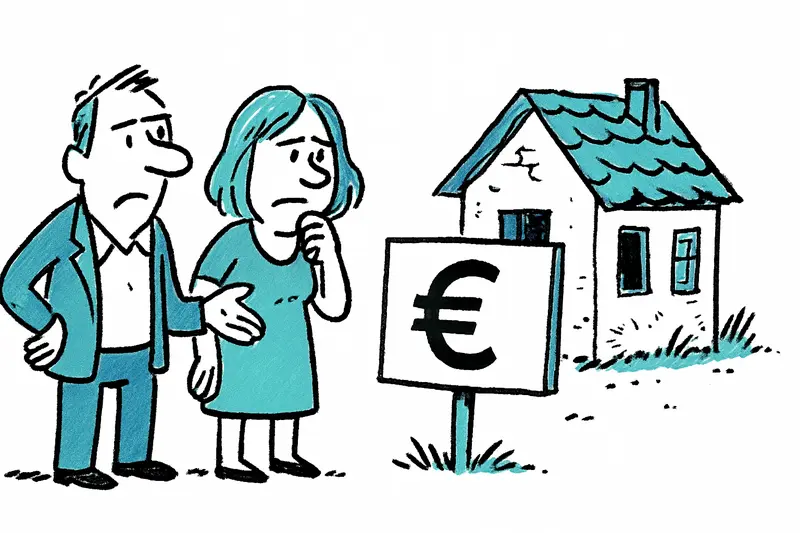
Mallorca’s Affordable Properties: Why the Price per Square Meter Isn’t Enough
A low average price sounds tempting. But for homes in the island’s interior, condition, additional costs, everyday life and location determine whether a purchase is truly affordable.
A low price doesn’t automatically make an affordable home
Where on Mallorca can you still afford to live? The question comes up at some point during almost every property search. People compare municipalities, line up prices per square meter, and suddenly villages in the island’s interior look like hidden gems. But does a low average price really tell a buyer what they will end up paying—or whether a house suits their everyday life?
When it comes to property, a simple ranking can be tempting. A number looks clear-cut. But a purchase involves many moving parts: location, condition, size, plot, legal status, and whether a building can actually be used in the way you have in mind. A municipality’s average price answers none of these questions for a specific property.
What an average price leaves out
In one village, renovated houses in the historic center, older apartments, and buildings in need of extensive renovation may all end up in the same statistics. Just a few high-priced or unusually basic listings can shift the picture. And an asking price is not necessarily the price at which a sale is ultimately completed. Anyone who treats a municipal figure as a fixed market value may be comparing very different things.
This applies to Petra as well as other villages in the Pla de Mallorca. The village lies inland, away from the major beach destinations. For some, that is precisely the appeal: an established historic center, short walks around the village, and fields that don’t look like a holiday resort. For others, everyday life includes the journey to work, school, the doctor or the shops. What looks close on a map can feel different when you factor in your daily schedule.
A railway station is a plus if its connections work with your schedule. But it does not automatically replace every journey, and daily life with children, shift work or frequent appointments is different from an occasional trip to Palma. Before deciding, try the route during your actual commuting times—not just on a Sunday at noon. Parking, shopping and the final leg from the station to your front door all belong in the equation.
The costs that don’t show up in the price per square meter
With an older house, the roof, damp, electrics, windows or plumbing can matter more than the purchase price. On Mallorca, the specifics of the building and plot also come into play. Before buying, have an expert check whether the paperwork, the property as it actually stands and your intended use all match. For renovations or extensions, don’t rely on what a neighbor says: find out what the documents and the relevant authorities confirm.
Ongoing expenses also deserve a clear-eyed look: maintenance, insurance, taxes, apartment-building fees and any work the property may need. Anyone who compares a house only with the figure in the listing is overlooking the most important part. After essential repairs, a seemingly cheap property can cost considerably more than a well-maintained home with a higher asking price. Conversely, not every old finca is automatically a renovation project—the key is an independent assessment.
Then there is the question of what “affordable” actually means. For someone who works on the island and wants to live there permanently, the monthly costs, including transport, matter. For a buyer who visits only occasionally, other factors may be decisive. These perspectives don’t appear side by side in a single price figure—they disappear into it.
What often gets left out of the debate
When people talk about affordable municipalities, the conversation quickly turns to buying opportunities. Less visible are the people who already live there and depend on affordable housing. For them, a house is not just an entry in a market overview: it means getting to work, staying close to family and sometimes having the chance to remain in their own village at all. The perspective of buyers from elsewhere and that of local residents are not always the same.
The quality of a place to live cannot be reduced to “city or village,” either. A thriving village needs accessible services, reliable connections and buildings that are used for more than the occasional stay. Bringing life to a village center can make a difference—but buying a house does not automatically benefit the neighborhood. What matters is how the house is used and whether it can genuinely support year-round living.
A better checklist before buying
First, view several comparable properties instead of relying on a municipality’s average price. Second, arrange an independent technical inspection and get a realistic estimate for any necessary work. Third, check the ownership and usage documents before paying a deposit or taking any binding step. Consult a qualified professional about legal questions; a viewing is no substitute for checking the documents.
Fourth, test out everyday life. A week of real journeys often tells you more than a stroll through picturesque lanes. Where will you shop? How long is the commute? What happens if your car breaks down? And does the village still feel right on an ordinary weekday, when there is no market visit or day trip on the agenda?
On some streets in Petra in the morning, you hear footsteps and a rattling roller shutter more often than traffic from a coastal road. That can be pleasant. But it is no substitute for a sound budget. A village does not become a bargain simply because it is quieter or ranks near the bottom of a table.
The fairest measure is not the cheapest square meter, but a home whose total cost, condition and everyday life all fit together. So when buying on Mallorca, don’t start by asking which village is cheapest. Ask what the specific house will really cost—and whether living there will work on an ordinary Tuesday.
Frequently asked questions
Does the lowest price per square metre mean a property is affordable on Mallorca?
What extra costs should I budget for when buying an older house in Mallorca?
What should I check before buying a house in Mallorca?
How can I tell if a Mallorca village will work for year-round living?
Is Petra in Mallorca a practical place to live?
Can I live in a Mallorca village without a car if it has a train station?
Are Mallorca property asking prices the same as final sale prices?
Why does affordable housing matter to people living in Mallorca’s villages?
Similar News
When a Beloved Local Spot Moves: What Remains of the Old Place?
A restaurant can take its kitchen with it. The routes, rituals and encounters around its old front door cannot simply be...
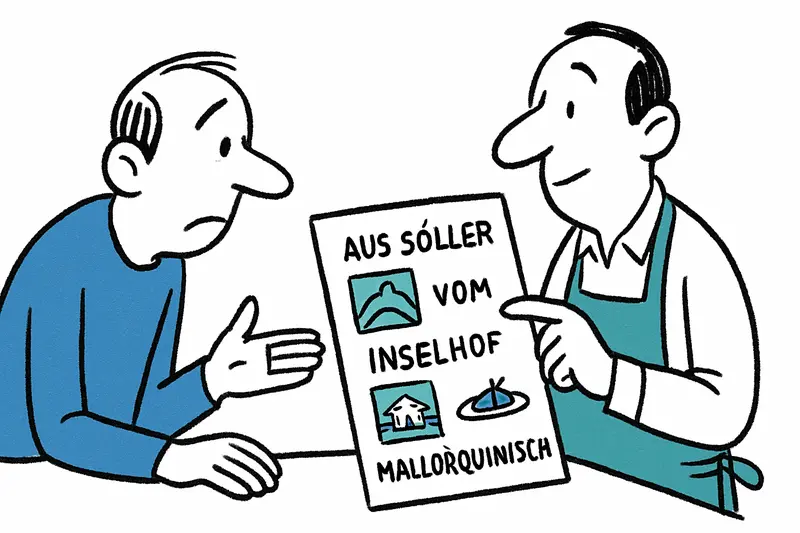
Mallorcan on the Menu: What Does It Really Mean?
“From Sóller,” “from the island farm,” “Mallorcan”: origin claims create expectations. But not every phrase means the sa...
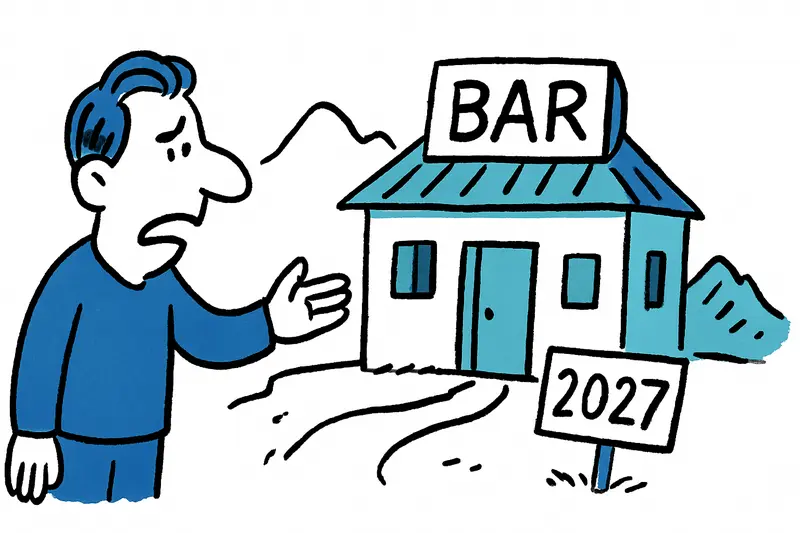
Sa Calobra: The Bar Stays Open – Its Future Is Secured for Just One Year
The lease for the bar at the Nus de sa Corbata hairpin bend has been extended through the end of October 2027. This keep...

Burrata, Truffle and Chips in a Sandwich: An Unusual Snack Is Making the Rounds
A sandwich with bread, steak tartare, burrata, truffle and potato chips might sound like a fridge-clear-out gone wrong. ...
Cave near Llucmajor: What the Discovery Reveals—and What Remains Unresolved
At Cova de Son Fosquet, traces from different periods lie close together. The discovery is exceptional—but its value now...
More to explore
Discover more interesting content

Can Cap de Bou

Townhouse Lleo 72
