
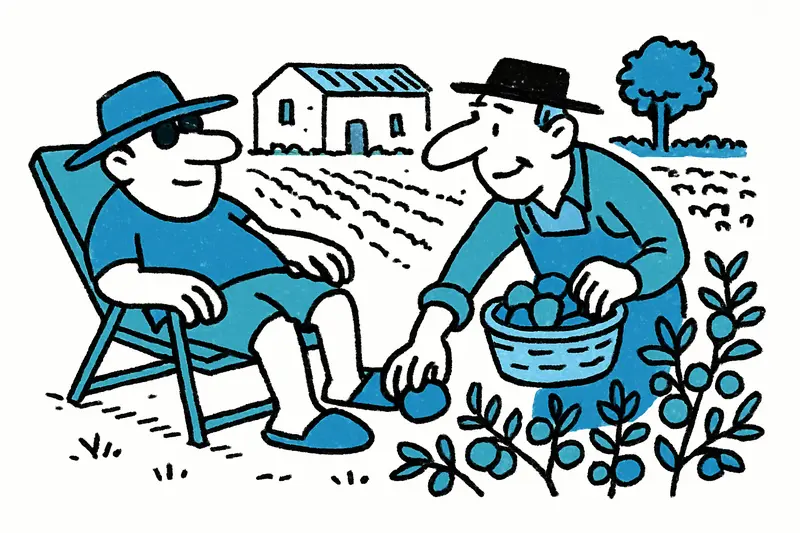
Fincas, not Deckchairs: Mallorca from Plant to Plate
Those who want to experience Mallorca away from hotel pools will find genuine island life on farms near Manacor and Inca: harvesting, cooking, storytelling — and in the evening the chirping of crickets instead of music from speakers.
Country air instead of deckchair: why fincas are more than an Instagram backdrop
When people think of Mallorca, they often picture pool edges and parasols. A few kilometres inland is enough for that image to change: gravel crunching under the tires, the bleat of goats in the distance and the scent of rosemary in the evening air. This summer I visited three farms that show how closely agriculture, the kitchen and convivial togetherness come together here — without the usual tourist programme; see Fincas de Mallorca: aire de campo en lugar de tumbonas.
Hort de Sa Vall (near Manacor)
At first glance Hort de Sa Vall looks like a familiar country estate: weathered wooden doors, an old goat barn, olive trees you can almost touch. The hosts lead small groups through the beds and explain how salads and herbs are harvested, why compost is valuable and not just decoration. On Friday evenings the heat eases and a simple, honest three-course table is set — often accompanied by a quiet guitar. Prices are moderate; a cosy evening meal costs roughly €25–50. For those making a last-minute decision, the Monday tasting is a worthwhile small preview.
Farm to Table (near Inca)
A little closer to the centre near Inca I experienced an evening that felt like a big family meal: long tables, an open kitchen, “family style” portions to share. The chef brings experience from larger restaurants but here cooks in a reduced, seasonal way. Between courses the producers tell stories about their olive groves or goat cheeses — which makes the meal immediate and personal. From 7 pm locals mix with curious visitors; reservations are essential. The four-course evening feels like a visit to friends, only with better wine; the area and its markets are well captured in Sunday Delights in Mallorca: Paprika in Felanitx, Wine in Consell, Nature in Inca.
Terragust (around Manacor)
Terragust organises half-day experiences: walks through almond trees (Prunus dulcis), insights into olive plantations or small vineyards. The guides explain matter-of-factly, with humour and without a raised eco-finger, what needs to be done in each season. The real highlight: a shared meal in unusual places — a laid table among vines at sunset, often a four-course menu with ingredients from the field itself. The duration and effort are noticeable (around five hours), the price is rather €80–90 — a small evening investment for a big experience.
Why is this good for Mallorca? Such offers connect tourism with local value creation (More self-caterers on Mallorca: How Alcúdia and Can Picafort are changing the island's food culture). Instead of anonymous buffets they support small producers, preserve seasonal work and keep traditional cooking methods alive. It is a quiet contribution to the island: less noise from waves, more cricket song, less plastic, more plates with a story.
A few practical tips for visiting: pack sturdy shoes, arrange a reserved return trip — many farms are off the bus routes — and prefer evening dates in summer when the heat eases and the air smells of grilled beans and herbs. If you take photos on the way, ask first: on some farms you may disturb the work.
For holidaymakers, such finca evenings also mean slowing down. After a plate of beans from the earth oven, the package-holiday jet lag seems less dramatic; the voices at the table talk about harvest years, unexpected records with the olives and the small pride of having perfected a fine goat cheese. A bit of island conversation belongs to it — and that may be the nicest thing.
My tip: don’t only book in high summer. Spring and autumn are good for almond blossom and olive harvest, the temperatures are milder and the air clearer. And if you stay a while after the meal: listen closely. The chirping, the distant chime of a chapel bell, the soft rustle of leaves — that is Mallorca, up close.
Frequently asked questions
What is a finca experience in Mallorca?
When is the best time to visit a finca in Mallorca?
What should I wear to a Mallorca farm dinner or finca visit?
Do you need to book a finca dinner in Mallorca in advance?
What kind of food is served at finca dinners in Mallorca?
Where can I find a finca near Manacor in Mallorca?
What can you do on a food experience near Inca in Mallorca?
Are Mallorca finca visits worth it if I want something different from the beach?
Similar News
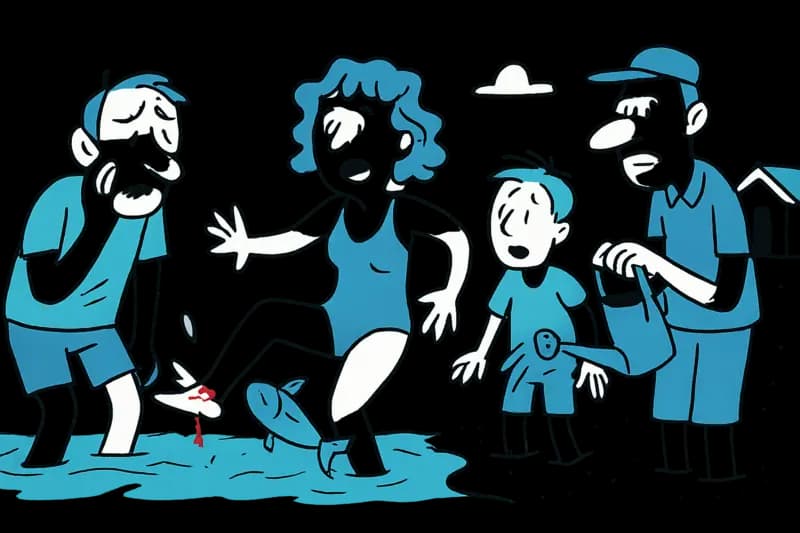
Why the Striped Breams in Cala Pí Should Be a Wake-up Call
Once again bathers in Cala Pí were surrounded while swimming by small, nippy fish — some wounds bled. Time for clear rul...

Daily from New York: How Palma's Air Traffic Is Growing — and What Must Change
United will increase the Newark–Palma service to daily flights in 2027 (Boeing, 231 seats). Strong tourist numbers clash...

When Love Ends in Shards: Destruction in Son Vida and the Questions That Remain
In Son Vida a relationship dispute escalated: a woman destroyed furniture in a luxury villa, later pressed a panic butto...

Who Bears the Burden? Mallorca Between Tenant Protection and Landlord Fears
Madrid's new housing decrees strengthen tenant rights — but on Mallorca concern is growing: will the law drive small lan...

On the Edge: What Mallorca's Airport Loses If a Major Low-Cost Carrier Falters
The company that operates numerous connections from Palma to France and domestically is negotiating with creditors to re...
More to explore
Discover more interesting content

Can Cap de Bou

Townhouse Lleo 72
