
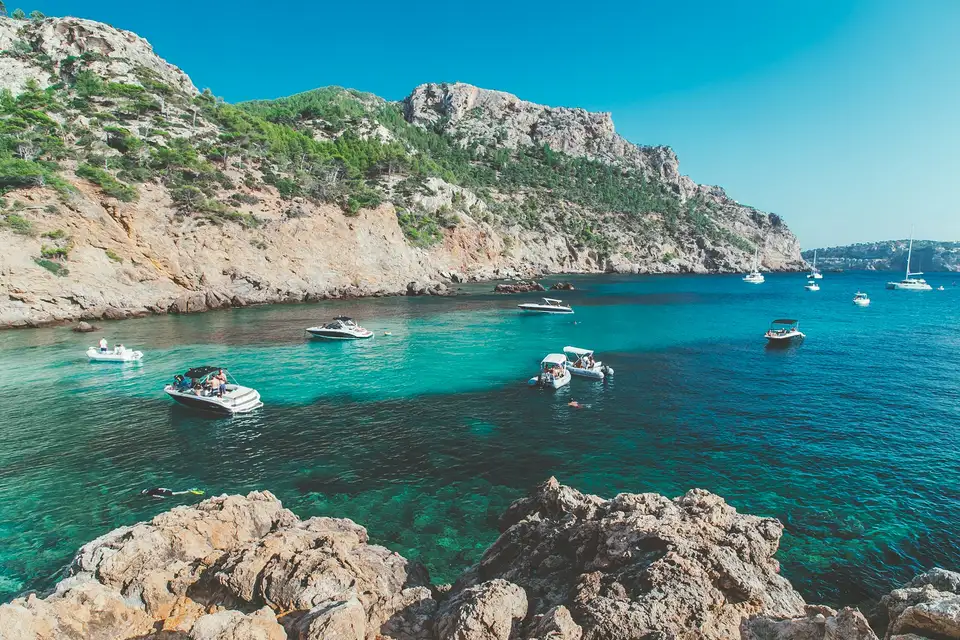
Mallorca between record numbers and street protests
Record numbers, rising spending — and growing anger: environmental groups are preparing new demonstrations. We ask: Who benefits from the growth, who bears the consequences — and what steps are missing?
Mallorca between record numbers and street protests
Days before a new demonstration environmental groups announce: "We will not stop"
Key question: How long can the island cope with the growing number of visitors and the consequences of tourism management before daily life and nature visibly suffer?
It is July heat and the city breathes heavily: buses queue at the Plaça España, suitcases roll along the Passeig des Born, and nearby there is the smell of grilled fish and sunscreen. The official figures circulating these days do not match the calm feeling but rather a sense of being overwhelmed: in the first six months more than eight million guests arrived in the Balearics; authorities record growth compared with last year (Boom Despite Friction: How Much Tourism Can Mallorca Still Handle?), and economic sectors report rising revenues.
The environmental groups GOB and Terraferida see it differently. They are announcing further protests (After Eleven Years at the Top: What Mallorca's Tourism Radar Really Needs to See) and accuse the regional government of only treating symptoms of what can be saved. Their demands are concrete: designating many municipalities as "tight housing markets", tougher controls against illegal short-term rentals, gradual reduction of existing bed capacity and stricter rules for construction projects in rural areas — including a ban on new pools in drought-prone locations. The groups point to almost fifty municipalities at drought-warning level and say the current policies are not sufficient.
The bare numbers also speak clearly: tourist spending up to mid-year is over eight billion euros; per capita around €1,237 is spent (More Visitors, More Money — But How Long Can Mallorca Sustain It?). This shows how much economic weight the phenomenon carries — and why a rapid course change is delicate. At the same time the totals indicate distribution conflicts: who benefits from the money, who suffers from noise, waste, lack of housing and water shortages?
Critical analysis: the debate currently runs on two tracks that rarely meet. On the one hand are macroeconomic indicators and sectoral interests; on the other hand activism and local burden reports. Authorities like to refer to responsibilities when it comes to airports, slots or external investors. This leads to a responsibility gap: measures are postponed, simultaneity is missing — and with it measurable goals.
What is often missing in the public discourse are binding metrics and a timeline: how many beds exactly should be reduced, in what period, and according to which criteria? There is a lack of reliable controls for illegal rentals with transparent lists and sanctions, as well as a clear concept for the use of the tourist tax with traceable allocation of funds. Voices of hotel workers, tenants who lose their homes, and small business owners dependent on seasonality are only occasionally heard.
A daily-life scene: at Sóller station tourists crowd the old town streets, market stalls sell almond pastries, and the tram runs every fifteen minutes. The same place is now to become the scene of the next large demonstration (Palma after the Protest: How Freedom of Expression and Everyday Life Can Be Balanced). The calls for the demonstration explicitly ask participants to arrive by bus or train — a sign that the movement itself wants to be considerate so the action does not become an additional burden.
Concrete proposals that seem sensible: 1) Transparent monitoring with clear indicators (number of beds, water consumption, waste volumes, rental price development) and annual review dates. 2) A phased reduction of tourist beds by not renewing licenses in high-pressure zones. 3) Systematic registration and controls for short-term rentals plus exemptions for owners who can prove regular residential use. 4) Earmarking tourist tax revenues for water storage, nature conservation and sustainable mobility — with an open budget report. 5) Pilot projects in places like Sóller to promote season extension and sensible transport offerings instead of pure capacity increases.
Conclusion: records in the statistics are no guarantee that local quality of life will be preserved. Protests and figures belong together: one makes visible what the statistics conceal, the other shows who profits financially. Without binding steps, clear responsibility and measurable goals, the debate risks sinking into symbolic politics. Those who act now — with transparency, controls and regional pilot projects — can actually relieve Mallorca. Actions like the demonstration in Sóller will bring the issue onto the streets; politics and administration must follow and deliver, not just talk.
Frequently asked questions
What are the main concerns driving protests about tourism and housing in Mallorca?
How does water management factor into Mallorca's tourism growth?
What concrete steps are proposed to monitor tourism impact in Mallorca?
Is Sóller being used as a model for Mallorca’s sustainable tourism pilots?
What does 'tight housing markets' mean for Mallorca's residents and visitors?
How would Mallorca regulate illegal short-term rentals?
Where would tourist tax money go in Mallorca?
What does the current debate say about balancing Mallorca’s economy and daily life?
Similar News
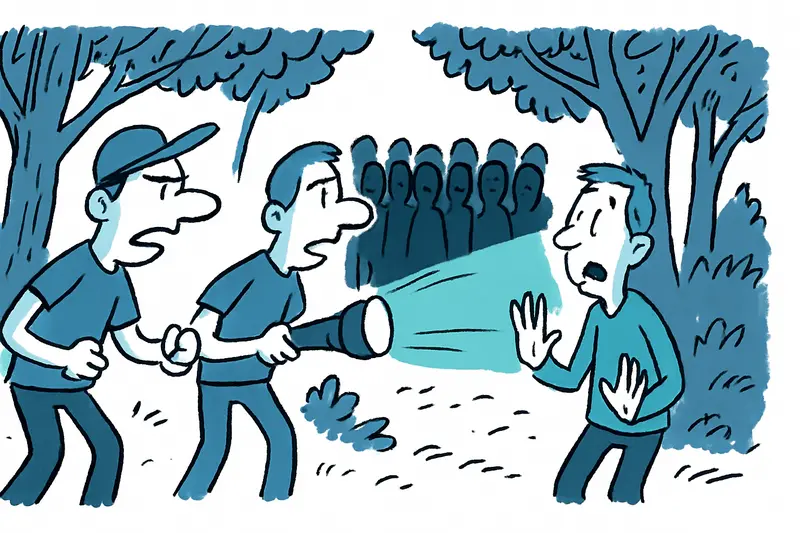
Fear in the Sa Teulera Forest: Youth Groups Harass Cruising Zone in Palma
In the wooded area of Sa Teulera, those affected report verbal attacks, property damage and intimidation. How safe is th...

Axa opens first health center in Palma: €3 million, 650 m² and more local access for La Vileta
In the heart of La Vileta, Axa has opened its first own health center in Mallorca. On around 650 square meters and with ...

30 Years of Nit de l'Art: What Palma's Art Night Really Shows — and Conceals
Nit de l'Art celebrated its thirtieth anniversary: full galleries, young visitors — and the quiet tensions between the a...

Hunt for Older Holidaymakers: Arrests after Suspected Pickpocketing in Port d'Andratx and Bellver
Five suspects were arrested after investigators accuse them of targeted pickpocketing of elderly tourists in Port d'Andr...

Knife stabbing in Magaluf: Why it must not remain an isolated incident
A 21-year-old tourist was stabbed in the chest in Magaluf and is in life-threatening condition. A reality check: what's ...
More to explore
Discover more interesting content

Can Cap de Bou

Townhouse Lleo 72
