
Found dead in Son Gotleu: Dog walk ends fatally — what is missing in the investigation?
Found dead in Son Gotleu: Dog walk ends fatally — what is missing in the investigation?
A 68-year-old man was found dead on Sunday morning on Tomás Rullàn street in Son Gotleu. According to his partner, he had left around 5 a.m. to walk the dog. The National Police and local police are investigating.
Found dead in Son Gotleu: Dog walk ends fatally — what is missing in the investigation?
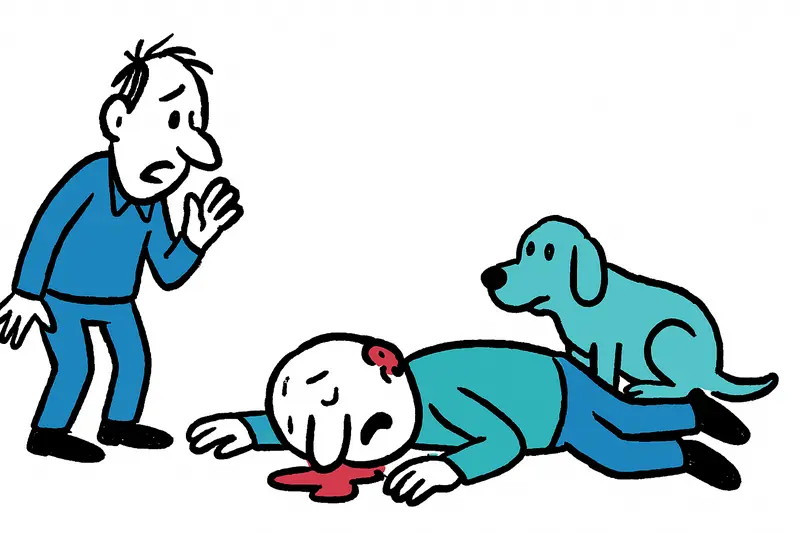
On Sunday morning a neighbor discovered a man on the ground on Tomás Rullàn street in the Son Gotleu neighborhood: he was lying next to his dog, had a bleeding head wound and was motionless. The National Police have opened investigations, the local police secured the scene initially and initiated a procedure to take the dog to the municipal animal shelter for the time being. The man's identity was confirmed by his documents: he was 68 years old. His partner said she had last seen him around 5 a.m. before he left to walk the dog.
Key question
How safe are the early hours in our neighborhoods when residents go out alone — and how well do the procedures work after such a discovery?
Critical analysis
The known facts are sparse: time window, location, head injury, dog at his side and ongoing police investigations. It remains unclear how the man sustained the injury. Was there a fall, an altercation or a medical emergency with a secondary head wound? Whether nearby cameras recorded anything or witnesses saw something has not been made public. That is a problem: without quickly accessible information, neighbors' insecurity grows — and there is room for speculation.
The case also highlights technical and organizational weaknesses: many streets in residential areas like Son Gotleu have little lighting in the early hours, low pedestrian frequency and not widespread security camera coverage. When older people are out at unusual hours, rescue chains and neighborhood networks require short response times. The question is whether these chains work or need improvement.
What is often missing in public discourse
We talk a lot about tourism, road construction and waste — less about the quiet hours in neighborhoods where people live who are less mobile. There is a lack of honest debate about preventive measures: local first aid training for neighbors, simple registries for older people living alone, emergency buttons accessible to seniors or apps with community alerts. Handling bereaved relatives and pets after deaths should also be part of the public discussion: who intervenes quickly enough, who decides on the placement of animals, and how is grief accompanied in the neighborhood?
Everyday scene from Son Gotleu
Anyone who walks down Tomás Rullàn in the morning knows the soundscape: occasional buses, the clatter of coffee cups from small cafés, dogs barking, and sometimes the garbage truck pulling bins to the curb. On summer days the last stars still hang in the sky and the previous day's heat lingers in the house walls. A resident who takes his walk around five o'clock moves through this half-asleep city — hardly anyone is on the street, many doors are still locked. In such moments an emergency can easily go unnoticed.
Concrete solutions
- Strengthen local neighborhood initiatives: structured phone chains or apps that allow early-morning walkers to briefly "check in." A simple daily check is often enough to raise the alarm quickly in an emergency.
- Improve lighting and visibility: targeted upgrades to poorly lit stretches of streets in residential areas reduce fall risks and increase the chance that witnesses notice something.
- Local first aid offers: short courses in community centers or from local clubs so neighbors can provide first aid more confidently.
- Clear procedures for pets after deaths: cooperation between police, shelters and social services so animals are cared for quickly and relatives are relieved.
- Faster information channels: when investigation results (for example an autopsy) are available, authorities should at least release basic information to prevent rumors without jeopardizing the investigation.
Concise conclusion
The sad discovery in Son Gotleu is not just an isolated tragedy: it points to gaps in the safety net of a city that wants to live around the clock. What is needed is not panic but practical changes: more neighborhood connections, better street visibility and coordinated procedures for pets and relatives. Until the National Police investigations provide clearer answers, questions remain — and the city has a duty to learn from such a case so that it happens less often.
Frequently asked questions
How safe are early morning neighborhood walks in Mallorca, like in Son Gotleu?
What happens to pets when a death is discovered and investigations begin in Mallorca?
What practical steps can Mallorca communities take to improve safety in the early morning?
How should information be shared with residents during ongoing investigations to prevent rumors in Mallorca?
What kind of weather and packing should I expect when visiting Mallorca for a few days?
Are there safety tips for walking a dog early in the morning in Mallorca?
What can residents of Son Gotleu in Palma do to improve safety during the quiet morning hours?
How can Mallorca residents access faster information channels during a local incident?
Similar News
Theft at Playa de Palma: How safe are tourists at night?
At Playa de Palma street vendors snatched a gold chain worth around €5,000 from a tourist. The National Police intervene...
Smoking Weed at the Ballermann: Why a Ten-Euro Joint at Playa de Palma Ends in Handcuffs
A street purchase for 10 euros at Playa de Palma led to an arrest. Why a simple joint on holiday can have serious conseq...
Push-ups on the Sea: Why Prone Paddlesurf is Taking Off in Mallorca
Those who crawl belly-down across the water aren't signaling for an ambulance but curiosity: prone paddlesurf — long, na...
When Bouncers Run Amok: Emmy Russ and the Question of Safety at the Ballermann
An incident at the Megapark involving reality TV figure Emmy Russ raises broader questions about the oversight of securi...
Helpfulness at Ballermann: Vacationer from Kiel Receives His Wallet Back
An honest finder from Flensburg and the cooperation of German authorities reunited a lost wallet with its owner at Playa...
More to explore
Discover more interesting content

Boat Tour with BBQ along Es Trenc Beach
Private transfer from Mallorca Airport (PMI) to Pollensa
