
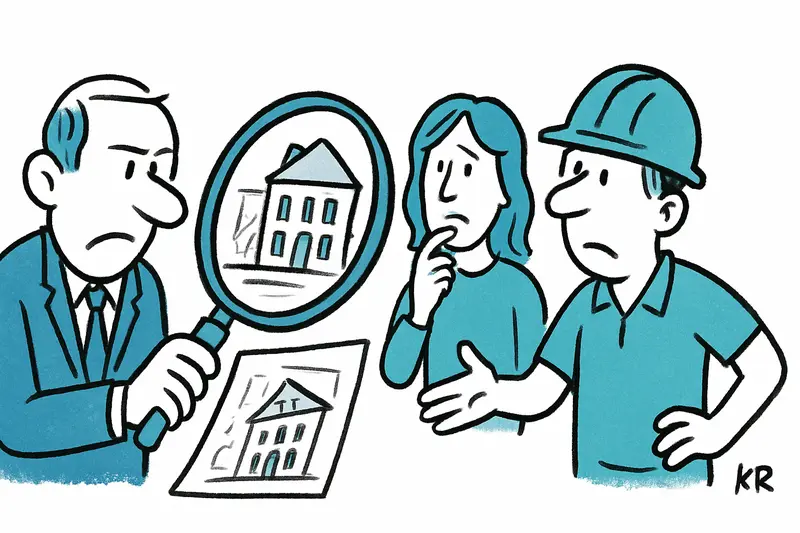
Metropolitan in Pere Garau: Redevelopment under the microscope — what Palma must resolve now
Metropolitan in Pere Garau: Redevelopment under the microscope — what Palma must resolve now
Palma has bought the Metropolitan cinema and two adjacent premises for €3.6 million. A jury reviewed 14 anonymized designs. What questions remain — from heritage protection to neighborhood traffic?
Metropolitan in Pere Garau: Redevelopment under the microscope
It is no longer just a building people pass by on the square by the market. For about a year the old Metropolitan cinema has belonged to the city of Palma From the Metropolitan to the Neighborhood Center: Palma's Plans for Pere Garau Under Scrutiny, together with two adjacent commercial units — total purchase price: €3.6 million. On paper there is now an intensive building plan: police station, health center, citizen services office, library, daycare center and an underground car park. The administration has opened anonymized competition proposals: 14 suggestions were roughly evaluated in a first round, the final selection will follow in a further meeting. And at the center is the simple question that neighbors in Pere Garau have been discussing for months at the street corner: What will become of the place where films used to be?
Key question
Can the city turn a historic repertory cinema into a multifunctional administrative and service center without destroying the character of the neighborhood and without creating new problems — traffic, operating costs, conflicts over use and heritage protection?
Critical analysis
The facts are clear: purchase about a year ago, price €3.6 million, 14 anonymized proposals, jury chaired by the mayor. But between these numbers lie many decisions that have not yet been explained to the public. A cinema is not an empty box: stage space, seating, facade, acoustic properties — all of this affects later uses, as argued in From Cinema to Neighborhood Center: What Pere Garau Really Needs. If a library is planned next to a daycare center and a police station, clearly defined operating hours, noise protection concepts and separate entrances are needed. An underground car park means: access roads, traffic volumes, potential burden for small side streets. And: who will pay for long-term maintenance? The city has purchase and planning costs; but ongoing costs for staff and building upkeep can burden the municipal coffers for years.
What's missing in the public discourse
The debate so far has two gaps: first details on preserving the historic fabric, second a comprehensible timetable for costs and operations. The neighborhood is mainly interested in whether the old cinema façade will be preserved, whether interiors with original structure have been documented, and how the renovation work will affect the use of the square and the market. Public project pages, visualized timelines and a clear statement on financing — for example which amounts the municipality will shoulder and whether grant funding has been applied for — are not yet visible; similar transparency questions arose during Palma plans redesign around the Gesa building - redevelopment with question marks. Equally missing are clear statements on the participation process: what opportunities do associations, residents and market traders have to bring in their expectations?
A daily scene from Pere Garau
Early in the morning in front of the Mercat de Pere Garau: vendors set up fruit crates, a woman with a shopping bag greets the bakery, teenagers stick in headphones and get on the bus. The square smells of coffee and oranges. Hanging over it all is the rumor of construction noise, blocked sidewalks and later parking hunters. These small scenes make it clear: a renovation affects people in their daily routines. If the city plans here, it must not only convince architects but also the people who use the route to the market every day.
Concrete solutions
1) Publish a transparency package: site plans, cost estimates, variant comparisons and a simple financing plan. That builds trust and reduces speculation. 2) Heritage protection check: an external expert report, publicly accessible, that assesses façade, construction and spatial values and specifies which elements must be preserved. 3) Phased implementation: first spaces that require little conversion time (citizen services, parts of the library), then more critical areas (underground car park, daycare). This keeps the neighborhood from being a long-term construction zone. 4) On-site participation: workshops in the municipal center, sessions at the market, digital feedback tools — residents should have concrete choices, not just be observers. 5) Traffic concept: no car park is an island solution. An independent study on traffic load around the project, clear rules for access routes and truck times during construction are essential. 6) Examine the operating model: does the city want to run all services itself or enter partnerships? Public-private models must be more transparent; ongoing personnel costs should be included in long-term plans. 7) Secure cultural use: part of the auditorium could be reserved for film series, local theatre or neighborhood meetings — a compromise between service bundling and preserving cultural identity.
Short-term steps needed now
The next jury meeting offers the chance for disclosure: if the administration at least communicates the competition documents in summary and announces the evaluation criteria, citizens and local actors will have a basis for discussion. At the same time, transparent responsibilities should be defined: who is the contact person for noise issues, who for heritage questions, who coordinates traffic. A timeframe for public workshops within the next quarter would make the process more credible.
A pointed conclusion
It is right that Palma invests in public infrastructure. The Metropolitan can be a gain for Pere Garau — but only if the city now puts its cards on the table, takes heritage protection seriously and involves the neighborhood. Otherwise a hopeful project risks becoming a long-term construction site with a lot of debate and little consensus. The most expensive investment would be a decision that undermines the identity of the neighborhood. Good urbanism is not measured by prestige structures alone but by how well a project fits into the daily life of people.
Frequently asked questions
What is Palma planning for the old Metropolitan cinema in Pere Garau?
Why are residents in Pere Garau concerned about the Metropolitan redevelopment?
Will the old Metropolitan cinema facade in Mallorca be preserved?
How could the Metropolitan project affect traffic in Pere Garau?
What services could open at the former Metropolitan cinema in Palma?
How is Palma choosing the new design for the Metropolitan in Pere Garau?
Could the Metropolitan in Pere Garau still have a cultural role?
What do people in Pere Garau want from the Metropolitan redevelopment process?
Similar News
Are the Balearic Islands the Southern Border of Europe? A Reality Check on Immigration
The Balearic Islands are again calling for EU aid after a sharp rise in arrivals by sea. Conflicting priorities between ...

"Expensive chaos" and many open questions: What clients can do when a lawyer suddenly stops responding
Several clients complain that a well-known German lawyer in Mallorca has been unreachable for months. Key question: What...
TV tip: 'The Last Problem' — Mallorca as the setting of a classic crime
A classic whodunit on Mallorca: A new miniseries set in spring 1959 brings storm, an isolated hotel and a dense web of s...
Nipping Sea Creatures: Why Bathers in Cala Major and Elsewhere Should Be Cautious
In Cala Major, bathers have reported being nipped by small fish. What is behind it, how can problems be avoided — and wh...
Forced eviction in Santa Catalina: When a 65-year-old slept in her car and showered on the beach — a question of responsibility
The story of Pilar López from Santa Catalina represents a problem affecting many Mallorcans: How can an island with a bo...
More to explore
Discover more interesting content

Can Cap de Bou

Townhouse Lleo 72
