

Middle East conflict and Mallorca's checkouts: Is a price shock looming?
Middle East conflict and Mallorca's checkouts: Is a price shock looming?
Rising energy and fuel costs could significantly increase prices for milk, eggs, fruit and more on Mallorca. What does this mean for households, farms and retailers — and which measures actually help now?
Middle East conflict and Mallorca's checkouts: Is a price shock looming?
Key question
How strongly will rising energy and transport costs caused by the current Gulf conflict make daily life on Mallorca more expensive, and what needs to happen locally so that families and agricultural businesses do not foot the bill?
Critical analysis
The warning signs come from several directions: suppliers of food and drinks in the Balearics report impending price increases, cooperatives talk of jumps in fuel costs of up to 50 percent, and farmers' associations see production costs for feed, fertilizer and transport rising noticeably. At first glance this sounds like a simple causal chain: more expensive fuel → higher logistics costs → higher shop prices. The reality is more complex. Many production steps are interconnected: when fertilizer gets more expensive, the effort per hectare increases; when regional farms become less competitive, dependence on imported goods grows — and the bottlenecks are the transport routes and the energy prices, which are now embedded almost everywhere.
What is often missing from the public debate
There is a lot of talk about price increases at the checkout, but less about how the burden is distributed. Who bears the extra costs in the short term? Retailers can only use buffers to a limited extent; farmers have little room to manoeuvre on rents, wages or operating inputs. Also rarely discussed: the role of storage, seasonal offers and supply-chain optimisation on the islands. There has also been too little debate so far about targeted support for local production — not only consumer vouchers.
Everyday scene on Mallorca
Early in the morning at the Mercado de l'Olivar it smells of freshly brewed coffee and oranges. A delivery van stops, the diesel engine huffs, a farmer in dusty rubber boots carries boxes of persimmons and grapes. On the Passeig des Born customers stop in front of the bakery and compare bread prices. In Palma you can hear the horn of delivery vehicles on their way to Son Sardina — the transport costs add up, noticeable in every conversation between seller and buyer.
Concrete solutions
1) Short term: targeted subsidies instead of blanket price controls. Direct aid for low-income households, linked to local purchasing programmes, helps immediately without distorting competition. 2) Medium term: bonus programmes for regional products. Purchase incentives in supermarkets and at markets can stabilise demand and prices for locally produced goods. 3) For producers: subsidies for fuel alternatives and support programmes for energy-efficient machinery. Cooperatives could collectively negotiate cheaper fuels or electricity tariffs. 4) Logistics: build cooperative structures between producers and retailers to reduce empty runs and consolidate transports. Simple digital platforms for transport coordination would have an immediate effect on an island. 5) Transparency: disclosure of price chains. Short lists showing how a product price is composed (producer, transport, retail, margin) increase pressure and trust. 6) Politically: regional emergency funds and graduated tax relief for agricultural inputs, accompanied by controls against excessive price mark-ups.
Why this matters now
Damage limitation will be decided in the coming weeks. If suppliers from mainland Europe raise their prices, the island is hit directly because logistics costs per unit are higher here. Unlike large mainland markets, Mallorcan businesses have fewer economies of scale — which makes them vulnerable.
Concise conclusion
A simplistic doomsday sentence helps no one: yes, prices will rise if energy prices keep moving. But a well-managed mix of short-term aid, support for local production and smarter logistics can ease the pain. On Mallorca this means: strengthen local markets, bundle traffic and delivery flows more intelligently and ensure that households do not have to pay the bill alone. Shoppers on Plaça Major or at the harbour should not feel that the price increase is the only option.
Frequently asked questions
Will Mallorca get more expensive because of the conflict in the Middle East?
Why do fuel prices matter so much for food prices on Mallorca?
Will shopping on Mallorca become noticeably more expensive in the coming weeks?
What can help protect families on Mallorca from higher food prices?
How are farmers in Mallorca affected by rising costs?
What role do Mallorca’s markets, like Mercat de l’Olivar, play in price changes?
Can better logistics help keep prices down on Mallorca?
Is Mallorca more vulnerable to price shocks than mainland Spain?
Similar News
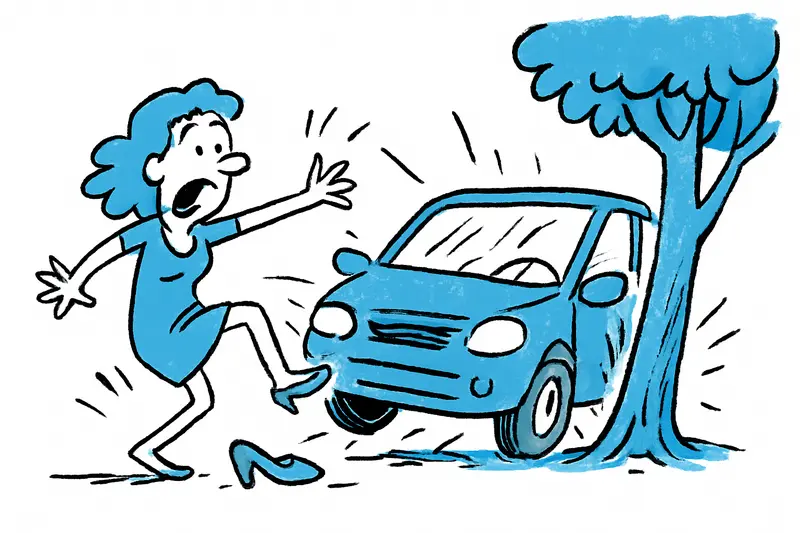
High heel slips, car accelerates: accident on Camí de Son Hugo
A woman lost a high-heeled shoe on the forecourt of the sports facility at Camí de Son Hugo. The car accelerated, mounte...

Phone Scam: How Two Hotel Employees at Playa de Palma Lost Thousands of Euros
One morning in September, two reception employees at Playa de Palma were pressured by alleged alarm-company staff — in t...

When the Wallet Becomes a Danger: Attack in Peguera and Lessons for Mallorca
In Peguera, two women are said to have stolen the wallet from a 75-year-old German couple. When the victim intervened, t...
Plata stays Plata: Young people take over, Llonguets remain
A small bar on Carrer de l'Argenteria will continue: Tolo Serra hands the place over to young Mallorcans at the end of t...
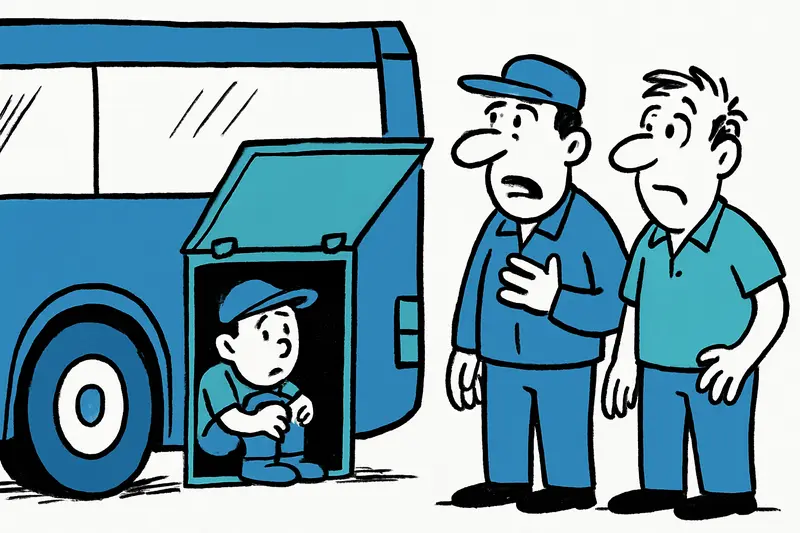
Unnoticed in the Luggage Compartment: How a Boy Traveled More Than 100 Kilometers in a Team Bus
A minor traveled in the undercarriage of a team bus for more than 100 kilometers until his cries for help were heard. A ...
More to explore
Discover more interesting content

Can Cap de Bou

Townhouse Lleo 72
