
When Minors Occupy Apartments: The Incident in Camp d'en Serralta and What It Reveals
When Minors Occupy Apartments: The Incident in Camp d'en Serralta and What It Reveals
Two brothers, still minors, are suspected of having squatted an apartment in Palma. The case in Camp d'en Serralta raises questions about prevention, how to deal with young people, and the situation of vacant properties.
When Minors Occupy Apartments: The Incident in Camp d'en Serralta and What It Reveals
Leading question: What does the break-in and the alleged occupation by two underage brothers reveal about gaps in prevention, social work and housing security on Mallorca?
The core of the case
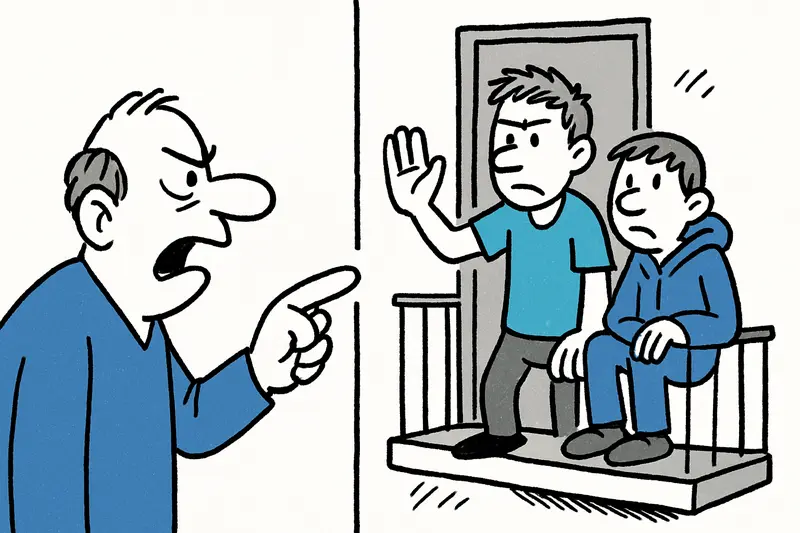
On the evening of December 14, tenants in an apartment building in the Camp d'en Serralta neighborhood noticed that the door lock of one apartment was jammed. From the street they observed two young men jump from the balcony of the apartment in question to the neighboring building and disappear. The local police arrived, forced entry and found signs of short-term use: food leftovers and apparently a bottle of rum. In a neighboring flat, officers eventually found two underage brothers. The youths' father was also on site and inquired about the found bottle. The youths are now being treated as suspects for squatting and an alleged break-in; the apartment owners and tenants were informed and have the option to press charges.
Critical assessment
At first glance the event looks like a classic attempt to make quick use of empty spaces. But the fact that minors are involved makes the case more complex: it's not only about property protection, but also about duties of care, juvenile criminal law and prevention. The police find traces, tenants see young people fleeing, the father appears — and suddenly several authorities are involved that must react differently: regulatory agencies, youth welfare services, police, property management and, in the worst case, courts. Similar episodes have escalated into violence in other towns, as described in Valldemossa: Violence During Attempted Occupation — Who Protects the Houses in the Village?.
What is often missing in public debate
First, a sober classification of causes. We rarely read numbers on vacant apartments in the neighborhood or whether the youths were homeless, had family problems or acted out of short-term need, issues also raised in Who Acts First? Squatters in Santa Margalida Cause Trouble in Half-Finished Housing Blocks. Second, there is a lack of focus on coordination: How quickly is youth welfare informed, who conducts initial interviews, and are there low-threshold contact points in Palma that are reachable for young people at night? Ultimately it is about prevention — not just punishment.
Everyday scene from Camp d'en Serralta
Imagine the street at half past eight: streetlights cast dim light on parked scooters, dogs bark from the inner courtyards, and the clinking of cups still comes from a corner café. Tenants returning home find a half-locked front door, a neighbor shakes his head, and the stairwell smells of burnt food. These small images are the other side of headlines: no uproar, just questions about how neighbors can live together more safely and with greater social fairness in the future.
Concrete solution approaches
1. Mobile night teams: A collaboration of police, street workers and social services could respond more quickly at night to provide not only law enforcement but also social care for young people. 2. Improve notification chains: When squatting is suspected, the youth welfare office should be informed automatically; a clear procedure prevents responsibilities from falling through the cracks. 3. Short-term safe spaces: Vacant, municipally secured rooms could serve as temporary contact points until a socio-educational solution is found. 4. Owners' alliance and prevention: Landlords and property managers should offer information packages and secure locking systems; at the same time they could organize preventive inspections of problematic properties in cooperation with municipalities. 5. Education and perspective: Programs that involve young people in craft or social projects reduce the risk that they turn to vacant properties out of lack of prospects.
Why this matters now
Majorca is not only tourism and luxury villas; there are neighborhoods where the rental market is tight and young people find few prospects. If cases like the one in Camp d'en Serralta become more frequent, we need more than police at night: we need strategies that protect property while also offering young people a helping hand. Recent confrontations such as the incident in Molinar are discussed in Molinar in Turmoil: When a Rent Dispute Turns Violent — What Does This Say About Mallorca's Housing Shortage?.
Concise conclusion
The incident with the two brothers is a small, loud signal: repairing locks and filing complaints is not enough. Those who want civil coexistence on Mallorca must clarify responsibilities, make social work visible and take preventive measures — otherwise evenings will repeat where neighbors stare from balconies and wonder how it came to this.
Frequently asked questions
What should I do if I think someone has broken into an apartment in Mallorca?
How do squatting cases in Mallorca usually start?
What happens in Mallorca when minors are suspected in a break-in or squatting case?
How can apartment owners in Mallorca better protect empty flats?
Why are cases like Camp d'en Serralta important for Palma?
Are vacant apartments a growing problem in Mallorca?
Who is responsible when a squatting case happens in Mallorca?
What can neighbours in Mallorca do if they notice suspicious activity in an apartment building?
Similar News

Near-miss on Lanzarote: Landing Ryanair Jet and Iberia Takeoff — what really went wrong
On Lanzarote there was a dangerous incident: A Ryanair flight (FR5910) from Dublin landed on runway 03 while an Iberia E...

Eurowings introduces new Premium Business seats on Mallorca routes
From December 1, selected Eurowings flights to Palma and other destinations will feature eight particularly generous sea...
Car on MA-13 near Inca in flames – a safety check for the island
A vehicle caught fire on the MA-13 towards Alcúdia on Tuesday afternoon. The driver was uninjured, the car was destroyed...

Real Estate in Mallorca: Fewer Buyers, Higher Prices — What's Behind It?
Sales on Mallorca are falling, yet prices continue to climb. Why fewer transactions do not equal relief — and what shoul...
Just Bought — Already Trouble: Water Damage in the Heiters' Villa and What Owners in Mallorca Should Know Now
A newly purchased sea-view property — and within days a water damage. What risks lurk in new properties in Mallorca, and...
More to explore
Discover more interesting content

Can Cap de Bou

Townhouse Lleo 72
