
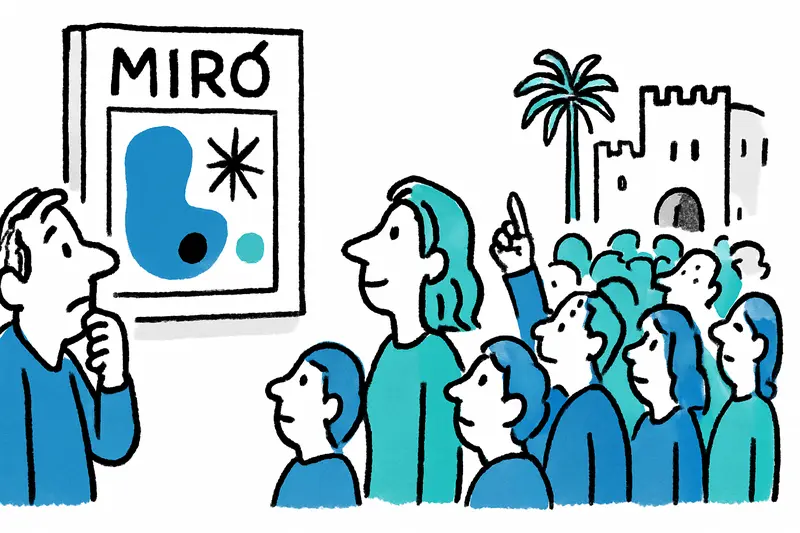
Miró in Palma: More than 300,000 people have visited the island exhibition
Miró in Palma: More than 300,000 people have visited the island exhibition
The Miró shows in Palma continue to attract visitors even in winter: Over 300,000 visits since the start — a strong boost for museums, cafés and streets from La Llonja to Passeig del Born.
Miró in Palma: More than 300,000 people have visited the island exhibition
Half-time balance for the exhibition project brings full rooms and lively streets
On a clear morning, when the sun lies low over the Passeig del Born and seagulls circle above the roofs, you notice how many people stroll through Palma's old town with museum tickets in their pockets. Since the start of the major Miró initiative, Joan Miró takes Palma by storm, the four exhibitions on the island together have exceeded the mark of 300,000 visitors. That is not just a number but visible: crowded entrances in La Llonja, sketchbooks on the steps in front of the Casal Solleric and groups consulting in front of the shop windows of small galleries.
Particularly heavily frequented is the presentation “La força inicial” in the historic maritime exchange La Llonja, where since August around 243,000 people have passed through the rooms. The hall with its Gothic arches offers Miró's forms and colours a surprising neighbourhood: here cultural history mixes with the hustle of the city, street vendors call out, cafés serve hot coffee, and the audience stands in small groups to discuss the works.
Of the four exhibition locations, two have already ended: the show at the Casal Solleric and the one at Es Baluard are now closed again. The remaining exhibitions in La Llonja and at the Fundación Miró are open until February 1. This gives locals and winter visitors alike the chance to experience the presentations in the quieter season — a plus for cultural actors and for the customers of the surrounding shops and restaurants.
What you notice in the alleys: cultural events like these bring movement to otherwise quiet winter days, as with Open House Palma: Over 60 Doors Open. In the mornings it is often seniors and tourist groups who head for museum benches with umbrellas against the wind; in the afternoons you meet young families and students who continue to discuss in small cinema halls or galleries. The melody of languages also changes: Mallorcan, Spanish, English and French weave together in front of the museum doors into their own soundscape.
For Palma that means concretely: more guests outside the summer months, longer opening hours for cafés in the old town, more book sales in museum shops and more demand for guided tours, which are often offered by local guides. Such impulses are important because they strengthen cultural infrastructure, create jobs and bring visibility to smaller cultural venues — for example studios in side streets or independent project spaces that can cooperate with special guided tours.
Those planning to visit the Miró exhibitions now have advantages: weekdays are quieter, combination tickets and guided tours are often less crowded, and the winter light in Palma makes viewing the prints and colours particularly pleasant. Small everyday tips: arrive early in the morning, take the bus into the old town or use a bicycle, and after the museum visit sit in one of the bakeries on Plaça de Cort — that's where impressions can best be talked over.
The record numbers are also a call: culture works better when city and audience work together. Schools can arrange special dates, and museums could involve local partners even more — such as nearby retailers offering Miró-inspired products, or workshops for children that connect drawing with Miró's visual language. Such ideas would enrich the project not only quantitatively but also qualitatively.
In the end there remains a beautiful picture: Palma's alleys, normally dominated by tourism in summer, fill up again in winter with voices and footsteps. The Miró shows have given the impetus. For the city and its cultural venues, it's an invitation to continue — with open doors, programs for locals and an eye for how art makes everyday life more lively.
Frequently asked questions
How popular is the Miró exhibition project in Palma?
Which Miró exhibitions in Palma are still open?
Is it a good time to visit museums in Palma during winter?
What is the best way to visit La Llonja in Palma?
What does the Miró project mean for Palma's old town?
Are guided tours available for the Miró exhibitions in Mallorca?
What is La Llonja in Palma used for during the Miró exhibition?
What is the Fundación Miró in Mallorca known for?
Similar News
Why Mallorca Has Become So Terribly Expensive — A Reality Check
Rents are exploding, staple food prices are rising, wages are lagging behind. A look at the causes, what is missing from...
When Paradise Becomes Unaffordable
Hotel rooms, paella and the weekly grocery shop: Mallorca is becoming more expensive for many. Who pays the bill — guest...
End at Ballermann: What Is Lost with the Dino Mini Golf at Playa de Palma
On October 25 the dinosaur mini-golf course at Playa de Palma will close after more than 30 years. Why the city is recla...
Expensive Address Calvià: What Does First Place Mean for Mallorca?
The National Institute of Statistics (INE) ranks Calvià as Spain’s most expensive municipality for property purchases. W...
Emergency over Spain: Ryanair Dublin–Tenerife flight diverted to Santiago after medical emergency
A Ryanair flight from Dublin to Tenerife was diverted to Santiago de Compostela due to a passenger's acute health proble...
More to explore
Discover more interesting content

Can Cap de Bou

Townhouse Lleo 72
