

Muro once again as a role model: sixth recognition for beach safety
Muro once again as a role model: sixth recognition for beach safety
Muro beach received another award from ADEAC: the rescue team and involved services were honored for their work. A reason to celebrate for locals and visitors.
Muro once again as a role model: sixth recognition for beach safety
On Muro's shallow shore, where parasols stand in neat rows and children run to the water with buckets, there was recently a moment that will resonate here for a long time: the coastal area received a special mention from ADEAC for its rescue services. For people on site, this is more than a trophy on the town hall shelf — it is a tangible promise to families, older visitors and to all those who spend their working day between the lifeguard tower and the promenade.
The honor was explicitly aimed at the public rescue service SPSalvament, which regularly operates in Muro, as well as the company Marsave Mallorca, which supports the rescue services on contract. Names mentioned in this context are Fran Miguez, responsible for the rescue team, and Toni Carrió, known as the beaches' safety coordinator and deputy chief inspector of the local police. The councilor for beaches, Marga Ballester, was also present at the handover, and the municipal administration distributed certificates of recognition to the teams and individuals behind the daily beach work, a civic approach also reflected in Muro aims to end the grey zone: Special plan for the Capellans' casetes under review.
What lies behind such an award? In short: reliable presence, good training and coordinated procedures. In high season this means in Muro: clear sight from the towers, regularly practiced rescue maneuvers, quickly available boats and a network of aid organizations that works together. Such rapid aid has even resulted in life-saving interventions, as reported in Playa de Muro: Seconds That Saved a Life — and What We Must Learn. For bathers it often appears low-key — a whistle here, a lifejacket there —, for those responsible it is the result of hard, everyday routine work.
As someone from Mallorca you notice days like this immediately: on the Passeig, where the cafés serve the first cups of café con leche early in the morning, voices of appreciation rise. An employee of the chiringuito is just packing up the parasols, the seagulls are screeching, and the heat already presses heavily on the sand — a typical August afternoon that would feel noticeably tenser without reliable rescue infrastructure. The recognition by ADEAC is therefore not just a title, but a safety net that makes everyday coastal life easier.
For the island this brings simple, concrete benefits: a beach considered safe is attractive for family holidays, extended-season bookings and visitors who value dependable beach safety. This indirectly creates jobs — not only among the rescue personnel, but also in hospitality, rental services and local retail. Muro therefore has something that cannot be easily bought: trust.
The repeated recognition — this is already the sixth special mention for the rescue work — also says something about consistency. Safety cannot be achieved with just a summer course or a handful of new pieces of equipment. It arises when people stay at their posts year after year, when procedures are practiced and improved and when cooperation between the municipality, private service providers and volunteers works.
What can other beaches take from this? The recipes for success are simple and local at the same time: regular training, transparent operation plans, a publicly visible presence and an atmosphere of togetherness in which guests respect the work of the rescue teams, lessons underscored by incidents such as the Fatal Rescue Attempt in Son Bauló: What Must Change on Our Beaches. In Muro all of this has been brought together — and the ADEAC recognition confirms: it works.
At the end of the day, when the lamps on the Passeig are switched on and the last bathers leave the water, more remains on Muro than just footprints in the sand. There remains the feeling that people look out for one another here. For an island that lives from the sea, that is a message people are happy to take home.
Outlook
The recognition is motivating: more training, closer coordination between service providers and the municipal administration and a visible presence even in the shoulder times of the season are on the agenda. This is an invitation to other municipalities: with manageable effort, beach quality can not only be measured but noticeably improved. And for everyone coming to Muro in the coming weeks — the lifeguard towers are standing, the teams are ready, and the beach remains a place where you can enter the waves with greater peace of mind.
Frequently asked questions
What does ADEAC recognition mean for Muro Beach in Mallorca?
Who are the people and teams behind Muro's beach safety?
How is beach safety maintained during Mallorca's peak season at Muro?
Why is beach safety important for Mallorca's tourism and economy?
How does the fact that this is the sixth special mention reflect on Muro's safety strategy?
What signs show a well-managed beach on Mallorca’s coast?
Can other Mallorca beaches learn from Muro’s approach to safety?
What should families know when visiting Muro Beach in Mallorca?
Similar News
Cafetería San Siro: A Meeting Place on Schinken Street Since 1966
In the middle of Schinken Street, Cafetería San Siro has been offering Mallorcan hospitality for more than six decades —...
From Ballermann to Prison: What the Verdict Against the Femina Operator Means for Palma
The Munich Regional Court convicted a German operator for subsidy fraud. What does the verdict mean for the Femina Club,...
Underpass Verge de Lluc: 19-year-old fights her way out of flooded car – a warning sign for Palma
A 19-year-old recently escaped swimming from her car after the Verge de Lluc underpass held up to one and a half meters ...
When the Floodgates Open Again: Why Palma's Floods Aren't a Coincidence
A sudden heavy downpour around 5 p.m. brought Palma to a standstill: flooded streets, full basements, panicked commuters...
Playa de Palma: Life-saving at Balneario 11 – Lifeguards Act Quickly
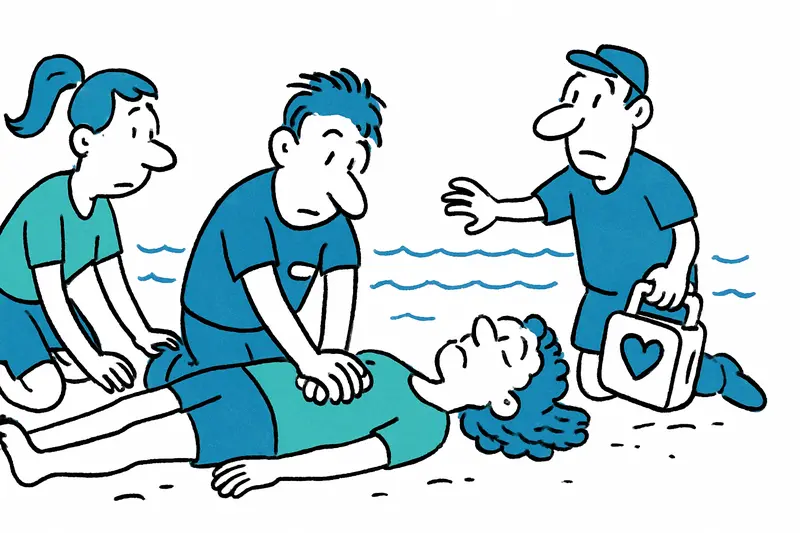
A German holidaymaker suffered cardiac arrest at Playa de Palma. Lifeguards resuscitated her on the beach; emergency ser...
More to explore
Discover more interesting content

Can Cap de Bou

Townhouse Lleo 72
