
My leg was completely numb: Why Mallorca's violin spider needs more attention
My leg was completely numb: Why Mallorca's violin spider needs more attention
A reader recounts a bite from the Mediterranean violin spider and weeks of recovery. Reality check: How well prepared are residents and the health system for such cases?
My leg was completely numb: Why Mallorca's violin spider needs more attention
Key question: Can delayed diagnoses and lack of information on the island lead to further severe cases?
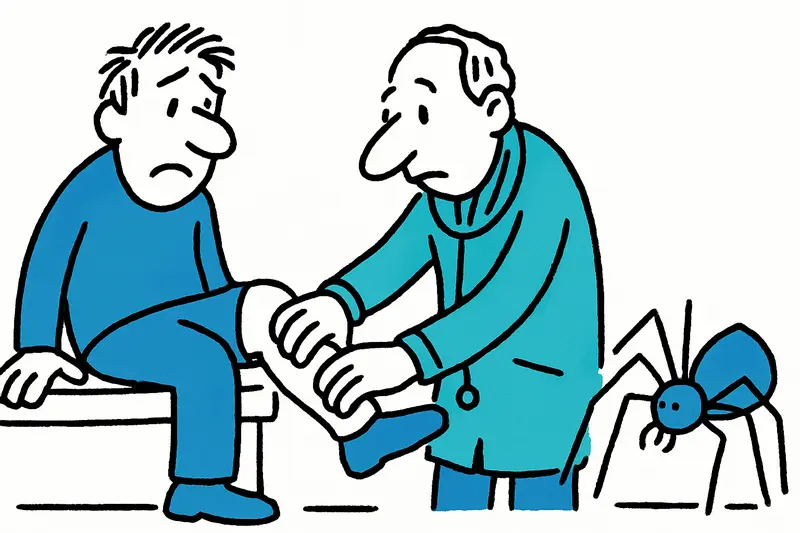
On a windless morning, when the church bells of Palma ring softly through the alleys and the smell of freshly brewed coffee drifts from a café on the Carrer de Sant Miquel, it is hard to imagine that a small animal in a dusty box in the attic can cause an ugly wound. A reader who lives abroad describes her case: while taking down old shoes from a box she noticed a sting; later a blister formed, numbness in the leg appeared and eventually a necrotic wound developed that required surgical treatment. The treatment took place at the Quironsalud Palmaplanas hospital.
In short: Loxosceles rufescens (Mediterranean violin spider), the so-called Mediterranean violin spider, occurs on Mallorca. It is relatively small – usually between six and twenty millimetres – and ranges in colour from light brown to dark grey-brown. Its bite is rarely fatal, but delayed medical care can lead to severe skin damage.
Critical analysis: from everyday life to the statistics. Such individual cases reveal two problems: first, many people underestimate the risk and only seek help when symptoms are advanced. The reader waited about two weeks before going to the hospital. Second, there are indications that not all medical staff have the necessary awareness. Missing notes in emergency protocols or unclear provisional diagnoses can lead to inappropriate treatment pathways – resulting in higher likelihood of tissue loss and prolonged healing periods. Similar gaps have shown up in other local incidents, such as Bee Sting Leaves Motorcyclist Unconscious in Andratx — A Wake-Up Call for Allergy Sufferers and Road Safety, which underline how quickly a routine event can escalate without prompt recognition and response.
What is missing from the public discourse: We rarely talk concretely about how patients and doctors should react in everyday situations. Reports often focus on the sensation – "dangerous spider" – instead of practical information: what steps can a general practitioner take, which warning signs should patients take seriously, where is specialised wound care available on Mallorca? Systematic case reporting is also lacking. Without centrally collected data it remains unclear how frequent severe courses really are and in which municipalities special responses are needed.
An everyday scene I know: an elderly woman at the Mercat de l’Olivar lifts a box of second‑hand clothes; next to her a boy plays with a rocking doll. No one thinks about spiders in bags and shoeboxes. Dark, quiet hiding places – boxes, sheds, attics – are typical habitats. In many households here, summer sandals and bags are stored unused in cupboards – ideal opportunities for such encounters.
Concrete solutions that could help immediately: 1) Information campaign by the health authority (IB‑Salut) and local councils: short information sheets for pharmacies, clinics and emergency services with photos of the spider, typical symptoms and first‑aid recommendations. 2) Training for emergency departments and primary care doctors: recognition of possible Loxosceles bites, guidance on wound management and when surgical consultation is necessary. 3) Reporting pathway: a simple form for hospitals to document severe cases and detect regional patterns. 4) Public outreach using local examples and clear calls to action: in case of suspicious bites go to the hospital early, don’t wait. 5) Household tips: shake out boxes briefly before opening, check bags and shoes before putting them on, especially if stored in attics or garages.
It is important to avoid panic. Most encounters are harmless. Nevertheless, this case shows how quickly a small injury can become a long‑lasting wound if not examined by a doctor in time. Treatment decisions must be made by professionals; laypeople should rely on prompt, factual guidance and avoid home remedies.
What the island administration and clinics can do now: unified guidelines for the treatment of spider bites in emergency departments, training during the summer months when people are more likely to go into attics and garages, and a simple map showing which facilities on Mallorca offer more complex wound care. Pharmacies could distribute informational flyers as first points of contact and general practitioners could receive clear recommendations in training on when to refer for surgical wound care.
Punchy conclusion: This is not about alarmism, but about preparedness. A small spider in a shoe can make a big difference if it is recognised late. Better informed citizens and trained medical teams would ensure that single cases do not become avoidable complications. At the markets, in church alleys and on dusty attics of Mallorca, a quick action – having a wound examined, making a diagnosis – is often enough to prevent weeks of pain and a surgical intervention.
Frequently asked questions
Are violin spiders in Mallorca dangerous to people?
What should I do if I think a spider bit me in Mallorca?
What are the symptoms of a violin spider bite?
Where do violin spiders usually hide in Mallorca homes?
Should I go to hospital for a spider bite in Mallorca?
What hospitals or clinics in Mallorca treat serious spider bites?
How can I avoid spider bites when storing shoes and boxes in Mallorca?
Why is there concern about spider bite diagnoses in Mallorca?
Similar News

Magaluf: Watchtower Alarm – Lifeguards Pull Unconscious Beachgoer from the Water
After a drama in the late afternoon, two lifeguards at Magaluf beach rescued an unconscious 44-year-old man. He was stab...

Turquoise in the City: How dangerous is the color play of the Sa Riera?
The Sa Riera in Palma suddenly turned turquoise — a pretty motif, but behind the effect lies a discharge of saline waste...

Jeckliner at Sunnesching: Cologne spirit sets sail from Palma
In September 2027 the Mein Schiff 2 briefly becomes a floating carnival stage: four days with Cologne bands, comedy and ...
Finally Home: Mike and Leyla Heiter Buy Villa with Sea View in Mallorca
The reality TV couple Mike and Leyla Heiter have bought a house in Mallorca with a roof terrace and sea view. An Instagr...
Arrest after series in Palma: Who protects apartments from repeat offenders?
The National Police arrested a man in Palma who investigators say may have broken into several apartments. In one incide...
More to explore
Discover more interesting content

Can Cap de Bou

Townhouse Lleo 72
