

When Sant Blai Becomes a Stage: Thrillers, Images of the Past and the Responsibility to Tell the Island's Story
A new 600-page thriller relocates Nazi ratlines, Vatican secrets and even an incognito-appearing pope to Mallorca. The central question: How do authors handle real places and troubled histories — and what responsibility do they have towards the island and its people?
When a crime novel makes the dusty paths of Campos its stage
You can hear the cicadas, the bells of Sant Blai, and the wind carries the smell of pines and salt water. This is how, in the minds of many readers, a story begins that on 598 pages ties together global political intrigues, a modern ratline and Vatican secrets. The novel stages Sant Blai, a small church near Campos — and suddenly our island is no longer just postcard sunshine but the backdrop of a thriller.
The guiding question: Is it acceptable for fiction to use places with a troubled past — and how?
That is the core question the novel poses, whether it intended to or not. The author, who has a personal connection to Sant Blai (he married there over 18 years ago), uses real institutions and historical allusions, mixing them with invented characters and dramatic exaggerations — including an imagined catacomb and a briefly appearing pope. For readers this creates an enticing, cinematic narrative flow; for locals the uncertainty remains: Where does creative freedom end and distortion begin?
In a small community like Campos, places are not experienced only as settings; they are living spaces, places of worship and places of memory. The fact that the plot plays with terms like ratline — a historical term for escape routes mainly from the Nazi era — makes the matter sensitive. Such images carry weight. They arouse curiosity but can also convey false impressions.
What is often missing in the public debate
First: the impact on local memory. Literature shapes images. If readers believe that mysterious catacombs lie beneath Sant Blai, confusion is likely. Second: responsibility toward victims and descendants. Sensitive historical topics like Nazi escape routes require context — not only for dramatic purposes. Third: the dynamic between literary freedom and local tourism. Those who soon hike through Campos with a backpack may be surprised by tours to supposed sites.
The fact that the author uses well-known institutional names is not a crime; it is a stylistic device. It becomes problematic when fiction, without a clear indication of invention, alters perceptions of reality. In an era when stories go viral, narratives about places that disturb more than they enrich can spread quickly.
Concrete opportunities and approaches
Rather than reading everything as an attack on artistic freedom, the situation offers ways to shape the story: transparency is the simplest tool. An explanatory foreword, an author's note or digital signals such as a blurb or website could clarify what is invented and what has historical reference. That protects readers and relieves the community.
Local cultural actors can use the wave: a reading on the Plaça in Campos with discussions about history and memory, joint events with historians, or guided walks that clearly distinguish between fact and fiction, and by promoting initiatives similar to Mountains or Sea? Two Art Nights, Two Moods — Esporles vs. Ses Salines.
For media and event organizers the rule is: provide context. If the pope appears as a character, if Nazi vocabulary is used — then articles and announcements should not only generate suspense but also offer classification. That protects the curious from misunderstandings and opens space for a deeper interest in Mallorca's real history; local events often spark heated debate, as shown in Between Tradition and Protest: How Muro Brought Back the Bullfight — and What It Means for the Island.
Between literary freedom and local respect
The novel is not a prohibited gaze but rather an invitation to look more closely. The strength of the book lies in its sense of place: dusty paths around Campos, the distant roar of the sea, conversations in small cafés — all of which lend authenticity. At the same time, there remains a duty to handle historical images and living places sensitively.
In the end, this is also an opportunity for Mallorca: when readers come to Sant Blai, they should find more than a taste for sensation. It is up to us — authors, publishers, cultural associations and the people on site — to expand the narrative: with facts, with remembrance, with conversations, and with cultural programming highlighted in coverage such as Impressionistic Season Opening at the Auditorium: Color, Sound and Late Romanticism. Then a thriller becomes more than a page-turner; it becomes an occasion to understand the island in all its diversity.
Book details: Edition WinterWork, Paperback, 598 pages, published late 2024, price approx. €19.
Frequently asked questions
Is it normal for a novel to use real places in Mallorca as the setting for a thriller?
Why do some Mallorca readers react strongly to stories set at Sant Blai near Campos?
How should a Mallorca novel handle sensitive historical topics like Nazi escape routes?
What is a ratline in historical terms?
Can a fiction book change how people think about a place in Mallorca?
What should authors do if they base a Mallorca story on a real church or village?
Are there ways for Campos to respond positively to controversial fiction?
Why does Mallorca literature often cause debate between artistic freedom and local respect?
Similar News
Cala Rajada: Why the "Sharky's" Keeps Closing — a Reality Check
The "Sharky's" at Cala Agulla is vacant again. High takeover price, expensive rent and a damaged reputation: What is rea...
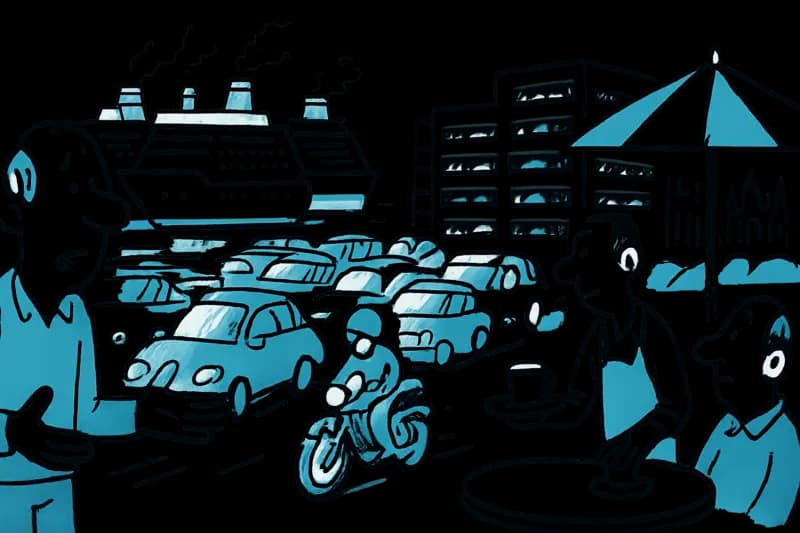
Palma at the Limit: Four Cruise Ships, Full Parking Garages — Where to Put the City?
Over the long weekend Palma burst at the seams in several places: four cruise ships in the port, kilometer-long queues a...
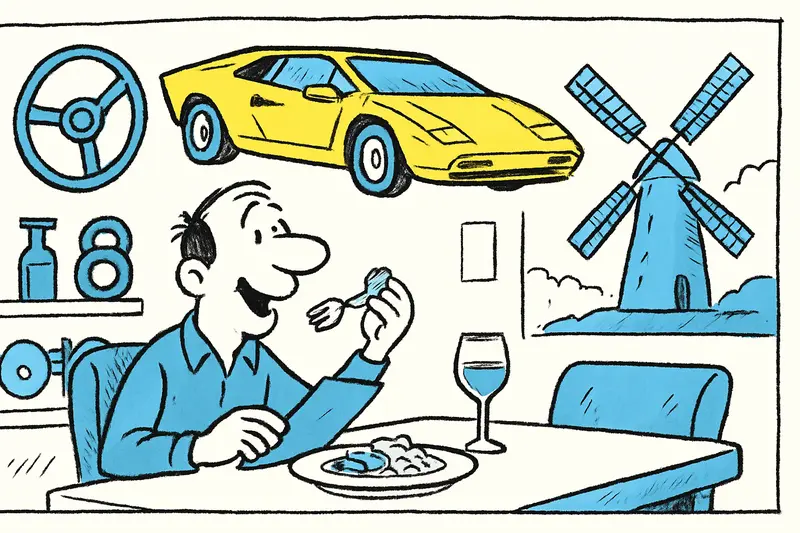
MotorWorld Inn near Palma: Food, Ambience and Why It's Worth a Visit
A restaurant that blends car passion and food: we tried MotorWorld Inn near Palma. Atmosphere, dishes and a few tips for...
Handover by the Water: Why 'Sharky’s' in Cala Rajada Is Up for Sale Again
A sports bar at Cala Agulla, opened in 2024, closed shortly after, briefly revived in 2026 — now the venue is up for tak...
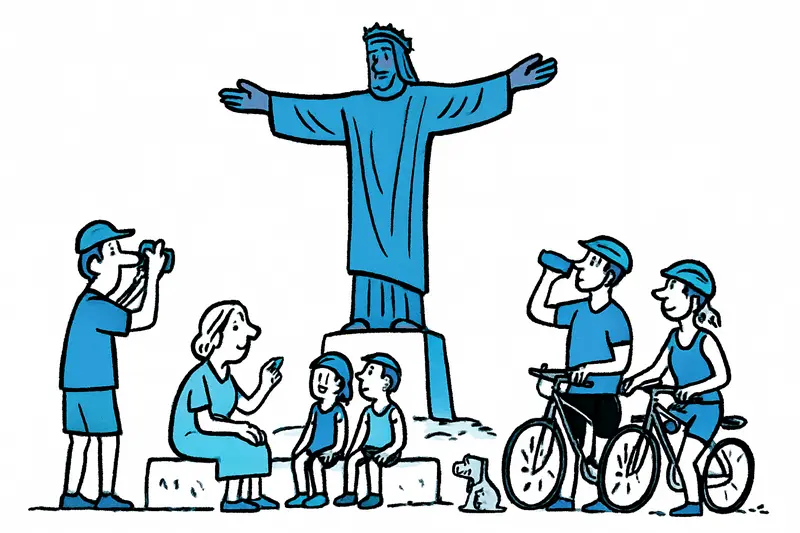
Sant Salvador: The Christ That Becomes a Touchstone for Memory Politics
A statue, 33 applicants and a ministry under review: Why the crowned Christ on the mesa near Felanitx has suddenly becom...
More to explore
Discover more interesting content

Can Cap de Bou

Townhouse Lleo 72
