
Network, Ferries, Hidden Compartments: What the Crackdown on the Drug Gang Really Means
Network, Ferries, Hidden Compartments: What the Crackdown on the Drug Gang Really Means
303 kilos of cocaine, luxury cars, weapons: the large-scale raid revealed a division-of-labor smuggling system between Catalonia and Mallorca. What does this say about security, ports and public life on the island?
Network, Ferries, Hidden Compartments: What the Crackdown on the Drug Gang Really Means
A critical assessment after 'Operation Joker'
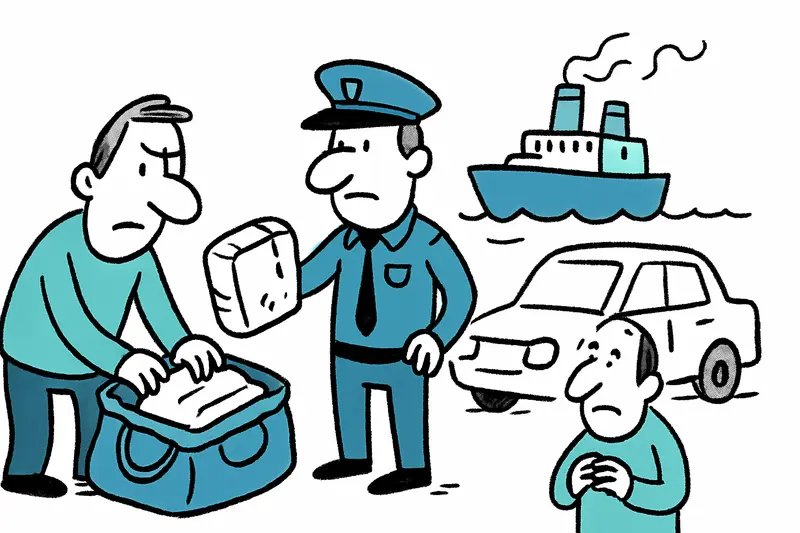
Late in the morning, the air over Passeig Mallorca hangs heavy — it's about 30°C, the bus at the port honks, and ferries to the mainland bob on the sea (see Drug discovery on a ferry from Barcelona: Three arrests in Palma and the questions that remain). In this carpet of noise the police have put a long finger into a criminal network: 303 kilos of cocaine, 20 kilos of hashish, several weapons, around €400,000 in cash, more than twenty luxury cars and 21 arrests. Authorities call the action "Operation Joker." The facts are clear. The question is: how much have the raiding forces really struck?
Key question: Is a coordinated raid enough to sustainably dismantle a division-of-labor smuggling structure — or does the business merely shift location as long as the masterminds do not rotate?
Critical analysis: Investigations show the group had two functionally different levels: procurement and transport from the mainland, and distribution to sales points on Mallorca. Techniques such as double vehicle floors, prepared ferry transports and the use of false identities are classic methods, but in this case apparently executed very professionally. That suggests not only opportunistic criminals were involved, but a system with assigned roles — logistics, security, cash flow, as other large-scale inquiries have detailed in Drugs, Millions and Suspected Abuse of Office: What the Major Operation in Mallorca Reveals. The arrest of an older driver during a port check also shows how various age groups are instrumentalized to circumvent controls.
What is often missing in the public discourse: the discussion usually stops at the spectacular numbers and images — trunks, masks, handcuffs. Less discussed is how drug trafficking intertwines with the legal economy: buying luxury cars, possible real estate deals, money-laundering channels through local service providers. Also rarely addressed is the role of ferry services as a logistical hub. Not every check at the port is the same; limited resources, many containers, and rapid passenger flows — these are gaps professionals exploit, and sometimes these gaps are exposed by much larger finds such as 675 Kilos of Cocaine: What the Find Means for Palma, Inca and Binissalem.
An everyday scene: In the morning at Mercat de l'Olivar a stallholder pushes his crate of olives aside, tourists look for shade under the plane trees. No one thinks about silicone masks or balaclavas in the same town, but for residents in neighborhoods with drug dealing — in Palma as in Alcúdia — fear and constant police presence have become part of daily life, as recent dawn searches have shown in Raid in Palma and on the Mainland: How Deep Does the Network Reach into Our Neighborhoods?. Delivery vans running late at night, or an unusually expensive car in a narrow side street — such small things change the feeling of safety here.
Concrete approaches: First, closer, permanent information channels between port authorities, ferry operators and investigators; ad hoc checks help, but systematic cooperation helps more. Second, prioritizing financial investigations: seizures cannot be the end if income sources and laundering routes remain untouched. Third, targeted inspections of vehicle modifications at boarding and disembarkation points; mobile checkpoints could catch suspicious vehicles before they cross the island. Fourth, locally anchored prevention: social work in affected neighborhoods, exchanges with shopkeepers and neighborhood initiatives so tips reach authorities faster. Fifth, protection for witnesses and low-threshold support for addicts — prosecution alone does not automatically deprive the market of customers.
Another point: operations like this must be accompanied by transparency — not with details that endanger investigations, but with clear communication about follow-up measures. Those living in Palma or Alcúdia have a right to know whether seized equipment and vehicles will actually contribute to reducing the problem or only deliver short-term visible successes.
Conclusion: The raid shows that authorities are capable of acting and that tough police work can bring results. But drug trafficking is a complex web of logistics, money flows and local retail markets. If the island does not strengthen community engagement, controls at ferry connections and systematic financial oversight, the trade will adapt. The police have dealt an important blow — whether it hits the head of the hydra remains open. For people on the streets of Palma, what matters now above all is tangible, lasting security instead of one-off headlines.
Frequently asked questions
What impact did Operation Joker have on Mallorca's drug trafficking networks, and can the crackdown reduce activity long term?
How do Mallorca's ferry connections factor into drug trafficking networks, and what steps are being taken?
What signs suggest drug networks on Mallorca are more than opportunistic and involve structured logistics?
What role do neighborhoods and community prevention play in reducing drug trafficking in Palma and Alcúdia?
What should residents in Palma or Alcúdia understand about the after-effects of such crackdowns?
What concrete steps are suggested to increase transparency after drug busts in Mallorca?
How did the crackdown highlight the role of vehicle modifications and false identities in drug smuggling on Mallorca?
What should visitors know about safety and staying informed after such incidents in Mallorca?
Similar News
Rental Car Theft in El Arenal: What This Incident Reveals About Our Gaps
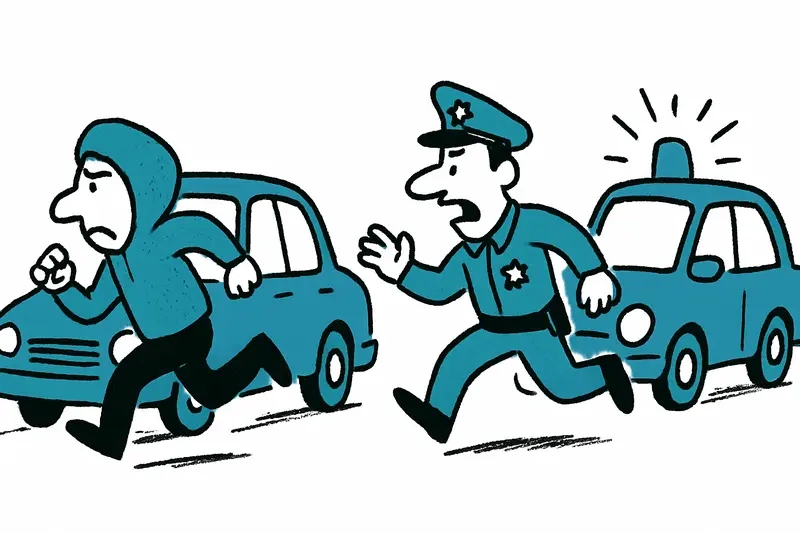
A teenager steals a running rental car in El Arenal, flees on foot, climbs over walls and is caught by the Guardia Civil...
Red Rope in Palma's Library: What Helps Against Selfie Tourism — and What's Missing
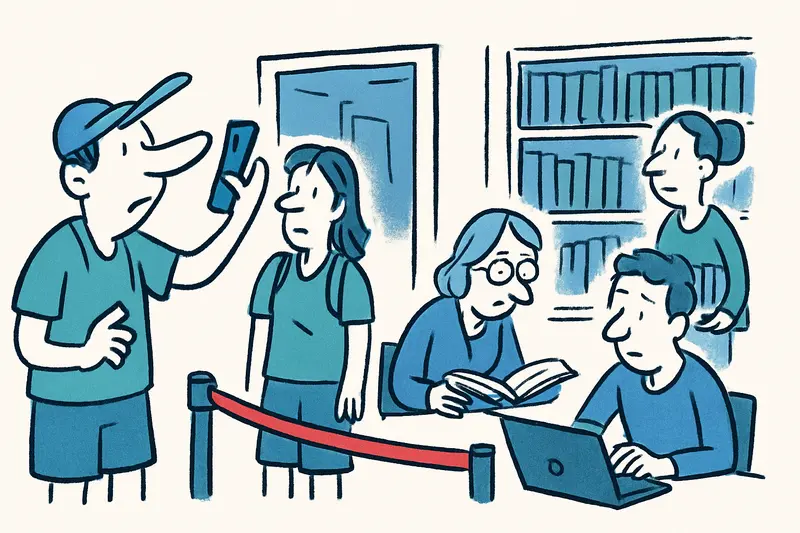
Palma's city library cordoned off an area with a red rope to keep selfie tourism away from reading and working activitie...
Fort San Carlos: Museum, Harbor Dispute — and a Conflict That Demands Answers
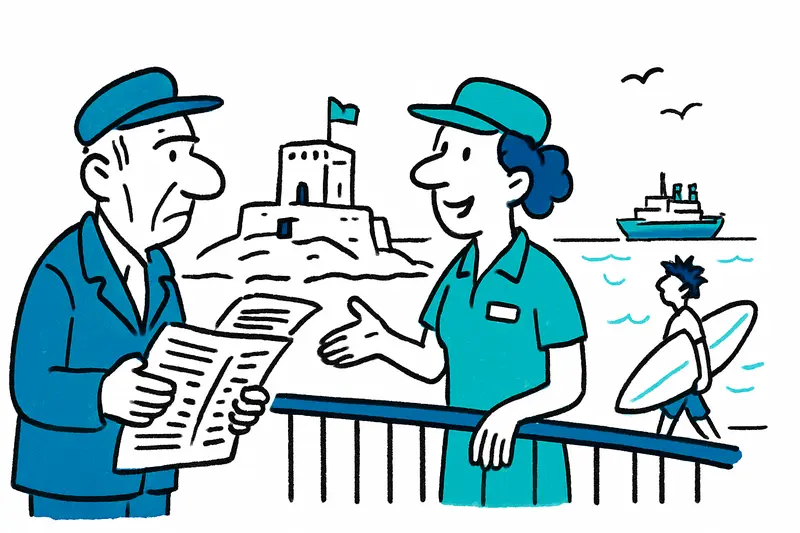
The military museum at Fort San Carlos sits right on Palma's harbor, with unexpectedly quiet rooms filled with cannons a...
Old Town Under Pressure: When a Doorway Becomes a Sleeping and Shower Place
For months a woman has been living with a parasol, a clothes rack and personal belongings next to the social welfare off...
When Shopping Weighs Heavier: Mallorca Demands a Tax Pause on Food and Fuel
Rising prices are putting pressure on households and agriculture. The Balearic Islands are calling for temporary tax rel...
More to explore
Discover more interesting content

Can Cap de Bou

Townhouse Lleo 72
