
How a Network Used Luxury Villas in Mallorca — and Why the Investigation Is Still Missing
How a Network Used Luxury Villas in Mallorca — and Why the Investigation Is Still Missing
A spectacular raid in Calvià uncovered cash, luxury cars and frozen accounts. The question remains: How deep do the connections go — and why doesn't the justice system close the information gap?
How a Network Used Luxury Villas in Mallorca — and Why the Investigation Is Still Missing
Leading question: How could a sanctioned businessman park assets in Calvià through straw persons — and what does that mean for the island?
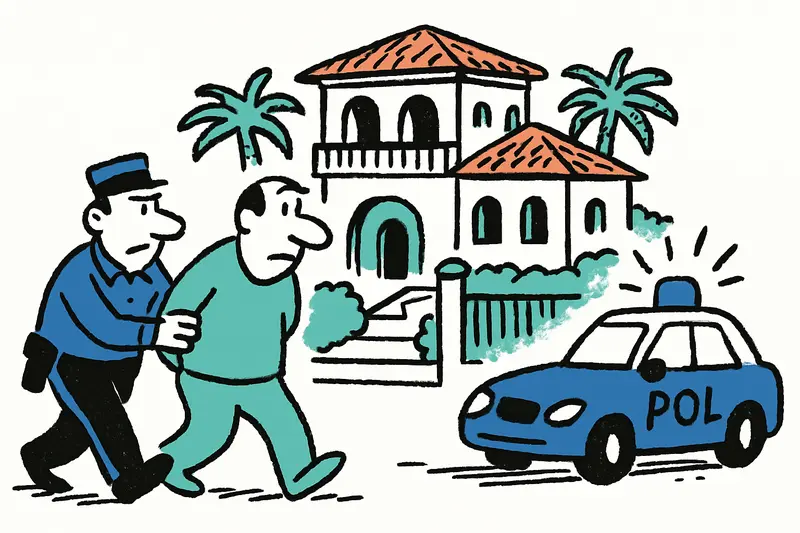
Late on a sunny Tuesday morning, a few neighbors in Portals Nous stood with coffee in hand watching a police flotilla distribute itself across several properties like a large fishing operation. Sirens were barely audible; the action appeared calculated and routine. This scene matches the official account: specialists from the Spanish National Police carried out the raid, named the operation, and searched a total of nine locations, including five villas in the municipality of Calvià, as reported in Major Raid in Palma: What the Investigations Mean for the Island.
According to investigators: around €300,000 in cash, six luxury cars, numerous documents and electronic devices were seized, and properties and accounts were frozen. Three people — two women and one man — were briefly detained; authorities say they acted as straw persons. At the core are assets attributed to a sanctioned Russian arms entrepreneur; the total estimate for the five villas is around €18 million. The investigation continues under confidentiality.
In short: the authority demonstrated force and coordination. Yet, after the spectacular image, many questions hang in the Mallorcan air like the pigeons on the Passeig des Born at dawn: What exactly was found? How did the properties end up in other names? And why were the detainees released again?
Analysis: what a brief look does not reveal. Prosecuting asset concealment is complicated. Straw persons, shell companies, and layered corporations across different jurisdictions — these are familiar tools. On Mallorca this web works particularly well because luxury real estate, international transactions and patient intermediaries in administrative roles come together, a pattern discussed in Raid in Palma and on the Mainland: How Deep Does the Network Reach into Our Neighborhoods?. Once registered, ownership structures are hard to trace transparently, especially when the chain of ownership runs through offshore and onshore companies.
It is also important to note: the provisional release of the suspects is not legally unusual per se. But it shows how difficult it is at the investigative stage to gather evidence in a way that allows judges to maintain detention orders for long. To the public it feels like a contradiction: a large deployment, few visible consequences.
What is missing from the public discourse. Reports focus on the image of stormed villas and on names — which sharpens outrage, as highlighted in Major Raid in Palma: What the Searches of Law Firms Mean for the Island. At least as important is the follow-up question: How will frozen assets be secured and repatriated in the long term? Who checks whether notaries, estate agents or banks have violated their duties? What route takes investigators from seizing hard drives and files to permanently neutralizing the concealed assets?
A everyday scene: On the access road to Calle Miramar, which leads to one of the searched villas, life quickly returns to normal. Delivery vans pass by, a child cycles to school, gardeners prune bougainvillea. For many residents the operation remains a notable event — but at the end of the day jobs, tax revenue and the reputation of the place matter. If the island becomes a safe haven for opaque flows of wealth, the community pays the price.
Concrete solutions. First: transparency in ownership. A much more accessible register of beneficial owners that also records property purchases via companies would help investigators and oversight authorities, an issue raised again in New Raid in Mallorca: More Arrests — But Are the Roots of the Problem Untouched?. Second: notaries and estate agents need mandatory, documented due diligence for clients with international backgrounds and complex corporate structures. Third: banks must report suspicious cases more quickly, linked to a national task force for swift sanctions-compliance checks. Fourth: cooperation between municipalities, regional government and EU agencies must be standardized so that account and land-registry freezes do not fail due to questions of competence.
Practical measures on the ground could include a reporting channel for residents' tips to the economic crimes unit, mandatory training for notaries on Mallorca, and a clearinghouse that consolidates suspicious reports from the real-estate sector. Better digital networking of land registries at EU level would also make transactional chains easier to spot.
Punchy conclusion: The raid showed that the means exist to carry out spectacular actions. What is missing is a traceable, durable mechanism that effectively dries up asset concealment. As long as opacity is possible when buying and managing luxury properties, the island can remain a target. The villas still stand on the hillside, the questions remain. And while the bougainvillea is trimmed, Portals Nous awaits answers — not just police photos.
Frequently asked questions
Why are luxury villas in Mallorca sometimes used to hide assets?
What happens when police search villas in Mallorca during a money laundering investigation?
Why are suspects in Mallorca often released after a raid?
What does a freeze on Mallorca properties and bank accounts actually mean?
Is Portals Nous in Mallorca affected by high-end property investigations?
Why is Calvià often mentioned in Mallorca property crime cases?
What can Mallorca buyers do to avoid getting involved in a suspicious property chain?
What is the real impact of a money laundering raid on Mallorca residents?
Similar News

Fewer Airlines, Fewer Destinations: What Palma's Winter Flight Schedule Means for Mallorca
Analysis shows: Winter at Son Sant Joan Airport will be quieter, with significantly fewer airlines and destinations. Who...
German tourist dies in Sa Calobra – a reality check for emergencies on Mallorca's beaches
A 40-year-old tourist died at the Torrent de Pareis. The emergency call, a doctor who happened to be present, a defibril...

Deadly Tractor Accident in Bunyola: What Needs to Be Done Now
In a work accident on an estate near Bunyola, a roughly 40-year-old man lost his life. His wife and a small child were o...
Head-first dive into the shallow part of Cala Fonoll: An accident and the unresolved question of responsibility
A young tourist dove into Cala Fonoll and was seriously injured. Key question: Why are clear warning signs missing at da...

Mistaken identity with fatal consequences: Brutal assault in S'Aranjassa — what's missing in the follow-up?
At S'Aranjassa a visitor to a finca was tied up, beaten and thrown out of a van. Three men have been arrested, including...
More to explore
Discover more interesting content

Can Cap de Bou

Townhouse Lleo 72
