
Neules calades: Mallorca's delicate Christmas paper art receives protection
Neules calades: Mallorca's delicate Christmas paper art receives protection
The Consell de Mallorca has recognized the delicate 'neules calades' as intangible cultural heritage. A look at the craft, everyday life and how the island is strengthening this tradition.
Neules calades: Mallorca's delicate Christmas paper art receives protection
A piece of paper, a long tradition – and now officially protected
On a cool December afternoon, when the bells of the small churches in Palma ring over the roofs and the market halls smell of oranges and almond pastries, you see them again: garlands made of gossamer-thin paper hanging from church vaults or dancing in the wind along a village street. The small round discs with cut-out patterns, known in Mallorquí as 'neules calades', are simple objects and yet a distinct piece of island culture, and events such as the Jai de Nadal: Palma's small, sweet Christmas market in Calle Sant Miquel bring similar seasonal scents to Palma's streets.
The Consell de Mallorca has now unanimously recognized these paper works as intangible cultural heritage. For many craftsmen and craftswomen, but also for volunteers in community centers and care homes, this is more than a piece of paper law – it is a confirmation of what has been learned in living rooms and shown on festive days.
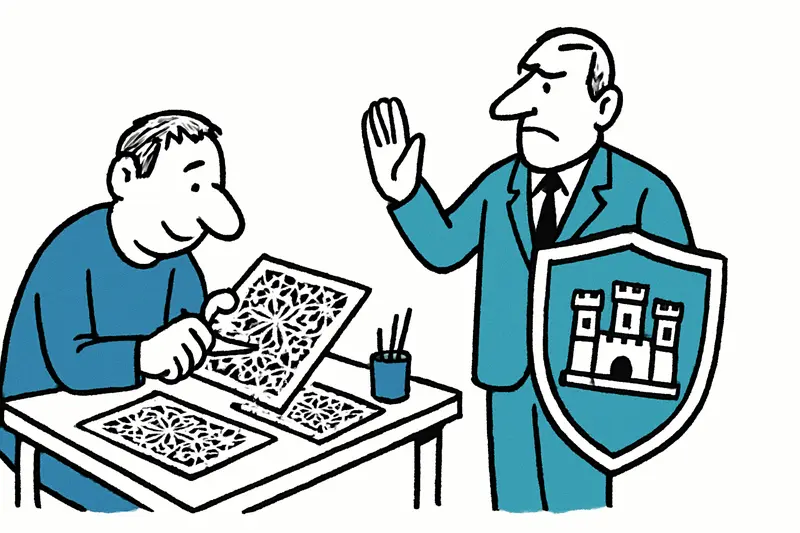
What do neules look like? You can imagine them as delicate, circular paper discs, decorated by hand with patterns. In churches they are traditionally joined into garlands and hung above altars or in the center of the nave. The intricate holes give the paper a light, almost translucent character; in candlelight they appear like small stars.
What stood out to me this week: in several care homes across the island, from Palma to Santanyí, residents sat at long tables and peered intently at small scissors. This year the Consell de Mallorca distributed more than 100,000 neules to care institutions – a concrete action that shows the tradition is not treated only as a museum piece, but continues to live in everyday life. In many corridors garlands were crafted with residents while the street lamps on Avinguda Jaime III slowly came on outside.
Such scenes are important because the craft conveys much more than technique: memory, patience, the shared time between generations. Many young families I meet at Mercat de l'Olivar find the idea charming and bring their children to crafting sessions in cultural centers, and some also browse the stalls at the Jai de Nadal: Palma's sweetest Christmas market on Calle Sant Miquel.
Why is this good for Mallorca? On the one hand, the recognition ensures the visibility of a local craft technique. On the other hand, it connects people: volunteer projects in communities, school workshops and work with older people in care homes gain momentum. Finally, small vendors and markets also benefit, offering traditional handicrafts during Advent and creating real added value – not only for tourists, but above all for island residents themselves. Initiatives like the Mallorca votes: Christmas shop-window competition invites you to stroll help draw attention to local displays.
Those who now think this is merely nostalgic kitsch should spend an afternoon in a workshop. Cutting requires skill; templates are often passed down, refined and combined. Small variations emerge, and some places on the island have their own patterns. Watching this is almost as satisfying as the sound of surf on a windless morning in Cala Major – quiet, steady, familiar.
Looking ahead: official recognition opens up practical possibilities. Municipalities could fund regular workshops, schools could include neules in local history lessons, and local markets could reserve fixed sales spaces for the craft. Care homes already involved could cooperate with cultural centers so that older people pass on their skills – a form of vitality that does not end up in glass cases. For frameworks on safeguarding living traditions, see UNESCO's page on intangible cultural heritage.
In the end, a simple thought remains: it is the small things that characterize places. A paper garland hanging above the altar in December is, in truth, a bond between yesterday and tomorrow. That the neules are now protected is an invitation to keep the craft visible and to continue working together on a piece of island culture – in churches, in schools, in the corridors of our care homes and at long tables in neighbourhoods.
Short and warm: The recognition of the neules calades is not just an administrative act, but a starting signal: for workshops, for joint crafting sessions between young and old, and for more visible handicraft during Mallorca's Advent weeks.
Frequently asked questions
What are neules calades in Mallorca?
Why have neules calades in Mallorca been given protected heritage status?
Where are neules calades usually displayed in Mallorca?
Can visitors see neules calades in Palma during Christmas?
Are there workshops for neules calades in Mallorca?
What makes neules calades different from other Christmas decorations in Mallorca?
What role do care homes play in Mallorca’s neules calades tradition?
When is the best time to see neules calades in Mallorca?
Similar News
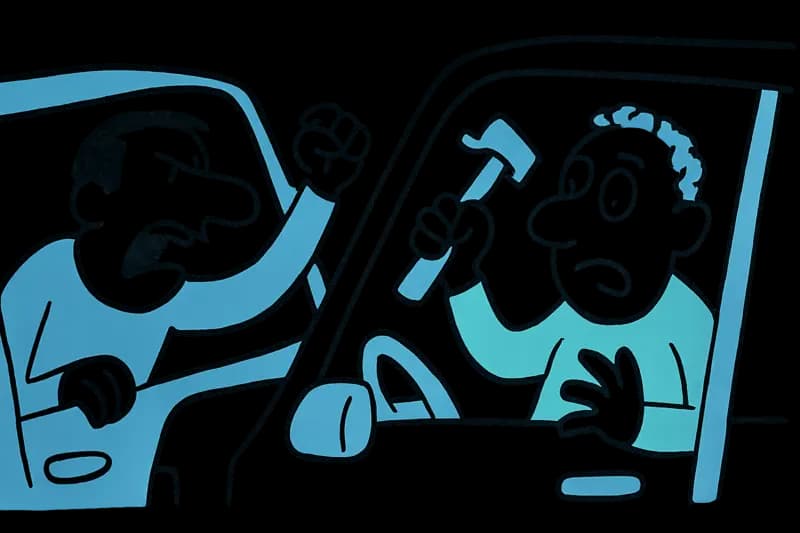
When a Hammer Comes Out of the Glove Compartment: Violence After a Traffic Dispute in Bons Aires
A midday traffic dispute in Bons Aires escalated: a man pulled a hammer from his car and injured another driver in the l...
Realtor on Set: Marcel Remus in Front of the ZDF Camera in Mallorca
Well-known real estate agent Marcel Remus appears for the first time as an actor in a ZDF feature film; filming is curre...
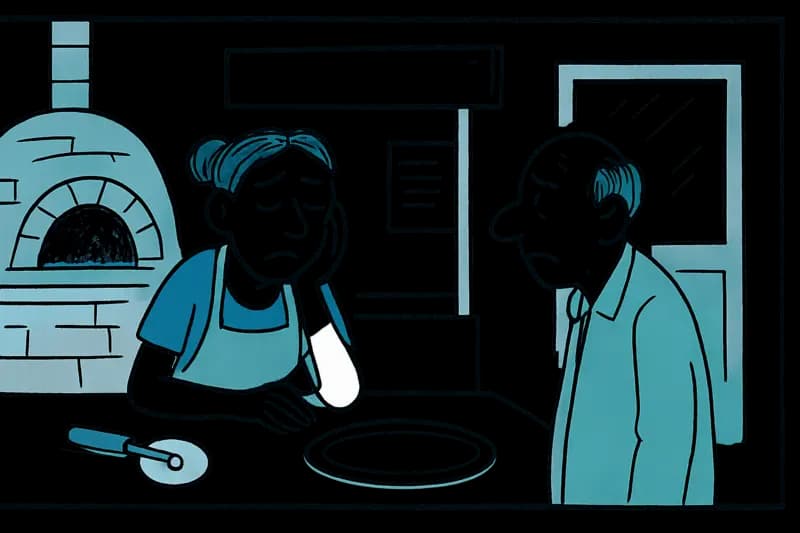
When the Ovens Go Cold: Why Palma's Small Pizzeria Closes After 35 Years
An affordable pizzeria in Palma has closed after 35 years. Not because of financial problems, but because the strain on ...
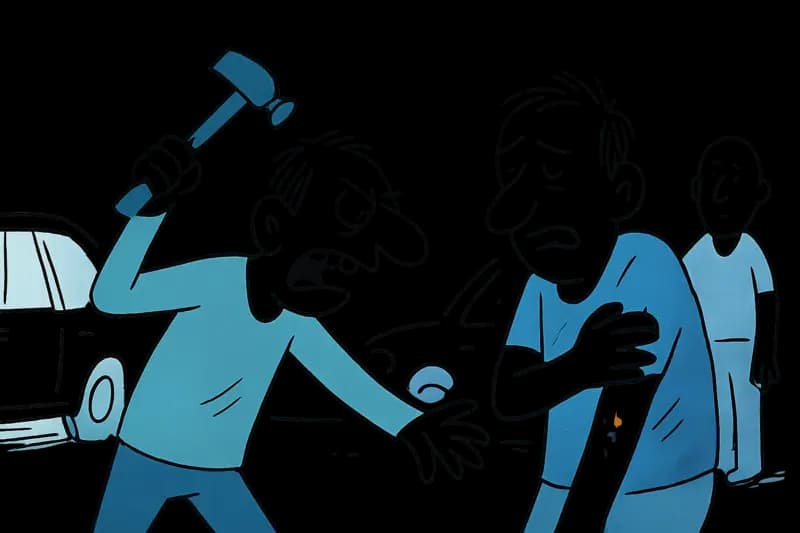
After a Dispute in Palma-Bons Aires: Hammer Attack in Road Traffic — A Reality Check
During an argument in Bons Aires, a driver pulled a hammer on October 1 and injured a man in the leg and shoulder. The S...
Luxury Trade Fair in Santa Ponsa: Who Benefits, Who Pays?
At the end of October Calvià is hosting top buyers from the luxury travel sector in Santa Ponsa. The guiding question: D...
More to explore
Discover more interesting content

Can Cap de Bou

Townhouse Lleo 72
