
When Oil Becomes More Expensive: What a New Middle East Escalation Would Mean for Mallorca
When Oil Becomes More Expensive: What a New Middle East Escalation Would Mean for Mallorca
A flare-up of the conflict in the Middle East could, via rising oil prices, burden airfares and everyday life on Mallorca. A reality check: How likely are these effects — and what can be done locally?
When Oil Becomes More Expensive: What a New Middle East Escalation Would Mean for Mallorca
Key question: How strongly does a rise in oil prices hit the island — and what countermeasures do we have?
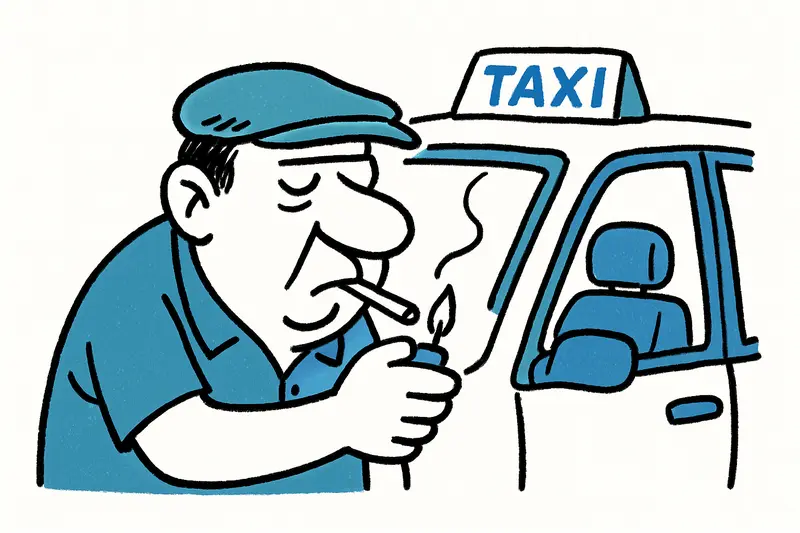
On the Passeig des Born a taxi driver in a cap lights a cigarette. He calculates quickly: more diesel, higher costs, less tip. Small scenes like this show how directly energy prices are felt here, as detailed in Rising Cost of Living in Mallorca: Who Pays the Price?. A possible escalation of the conflict in the Middle East can significantly disrupt the international oil market. The Strait of Hormuz plays a role: a large share of global seaborne oil transport passes through there. If supply tightens, markets react with higher prices — and we on Mallorca feel it at the pumps, in hotels' operating costs and in airfares.
The sober analysis: fuel is a direct cost factor for airlines and for the local economy. Higher kerosene prices are reflected in ticket prices, especially for last-minute bookings or routes with tight margins. Hotels and restaurants face rising delivery costs, an issue explored in When Dinner Becomes a Luxury: How Mallorca's Pricing Estranges Its Restaurant Scene; bus and taxi fares can increase. In short: an external shock to crude oil pushes up local prices, reduces room for providers and can dampen demand — especially in a season where every booking matters.
What public debates often miss: first, the effect is not necessarily immediate or uniform. Airlines use different fuel contracts; some hedge prices long-term, others do not. Second, exchange rates, airport fees and competition between low-cost and full-service carriers can dampen or raise prices. Third, people sometimes underestimate the role of internal adjustments: hotels can temporarily absorb extra costs, but craftsmen and agricultural businesses can immediately pass costs on to their prices and thus trigger chain reactions, as discussed in Why Food Is Noticeably More Expensive in Mallorca — and What We Can Do About It.
Critical points that are missing
In conversations with business owners in Santa Catalina I often hear the same concern: there is little transparency about how strongly individual firms pass on price increases. Likewise, there is a lack of broad debate about short-term protection mechanisms for particularly vulnerable sectors — for example family businesses or small boat renters that have hardly any buffers, an issue addressed in Balearic Islands in the Price Squeeze: Who Can Still Afford Mallorca?. The issue of energy security on the island is also rarely addressed with the necessary urgency: what quantities of reserve fuels should airports and hospitals hold? Who pays for that?
Everyday scene
At an early-morning check-in at Son Sant Joan you hear the clatter of luggage carts, the murmur of voices, the smell of coffee. Passengers compare prices; some cancel when prices spike unexpectedly. Hoteliers at Palma's harbor watch this: a few extra euros per ticket can mean a couple postpones their Mallorca trip. Such decisions add up quickly.
Concrete approaches
- Airport sector: Airlines and airport operators should rely more on price-hedging instruments and transparent surcharge mechanisms so that sudden kerosene shocks are not passed entirely on to customers and local providers.
- Energy mix: Regional measures to reduce diesel and electricity demand make sense: efficient bus fleets, targeted support for hotels that invest in energy-saving measures, and expanding solar projects on roofs and parking lots.
- Social safety nets: Short-term aid packages for micro-enterprises (e.g., boat owners, small restaurants) could help avoid insolvencies during a price spike.
- Marketing & target groups: Tourism offices should offer flexible products and special incentives for guests who book early and have higher spending power — that reduces sensitivity to short-term ticket price fluctuations.
Concise conclusion
An external political escalation has locally noticeable consequences. The worst response would be for the island to wait passively: Mallorca can and should take active steps — from fuel management at the airport to subsidy programs for energy efficiency in small businesses. In the short term we feel higher prices; in the medium term the mix of preparedness and adaptability determines whether the island stumbles through or stays stable. Until then, the road by Son Sant Joan remains a good place to feel the island's pulse: louder engines, tighter calculations, but also willingness to talk — which here is often the first step toward a solution.
Frequently asked questions
How would a new oil price spike affect Mallorca?
Will flights to Mallorca get more expensive if oil prices rise?
Do higher oil prices affect hotel prices in Mallorca?
Will taxis and buses in Mallorca become more expensive if diesel costs rise?
What is the Strait of Hormuz, and why does it matter for Mallorca?
What can Mallorca do to reduce the impact of higher oil prices?
Which small businesses in Mallorca are most vulnerable to rising energy prices?
Is Mallorca more exposed to oil price shocks during the tourist season?
Similar News
Rental Car Theft in El Arenal: What This Incident Reveals About Our Gaps
A teenager steals a running rental car in El Arenal, flees on foot, climbs over walls and is caught by the Guardia Civil...
Red Rope in Palma's Library: What Helps Against Selfie Tourism — and What's Missing
Palma's city library cordoned off an area with a red rope to keep selfie tourism away from reading and working activitie...
Fort San Carlos: Museum, Harbor Dispute — and a Conflict That Demands Answers
The military museum at Fort San Carlos sits right on Palma's harbor, with unexpectedly quiet rooms filled with cannons a...
Old Town Under Pressure: When a Doorway Becomes a Sleeping and Shower Place
For months a woman has been living with a parasol, a clothes rack and personal belongings next to the social welfare off...
When Shopping Weighs Heavier: Mallorca Demands a Tax Pause on Food and Fuel
Rising prices are putting pressure on households and agriculture. The Balearic Islands are calling for temporary tax rel...
More to explore
Discover more interesting content

Can Cap de Bou

Townhouse Lleo 72
