
Manacor: No murder — but many questions remain
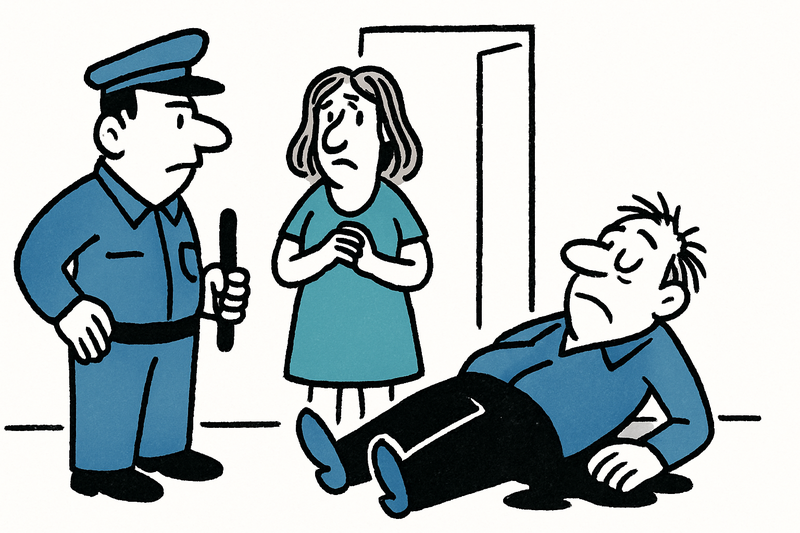
Investigators currently see no intent to kill in the Manacor death. Still, doubts remain: why wasn't help given earlier, and what roles did the housemates play?
Manacor: No murder — but many questions remain
A warm August evening, the cicadas humming; the next morning the small town is talking about a death: in Manacor a 50-year-old man died after an injury from an iron bar. Investigators now say: no intent to kill. Yet in the neighborhood, between the bakery and the market square, fragments of conversation and unanswered questions hang in the air like summer dust.
The central question
Why wasn't help given earlier? That is the guiding question troubling many here. It is not only about the guilt or innocence of individuals, but about procedures, responsibility and the trust in neighborhood and institutions. A man dies from massive blood loss, a housemate is initially arrested and then released under conditions, and a woman from the household is now in focus for possible failure to render aid.
What investigators say — and what remains unclear
The police emphasize that the current findings do not indicate a planned killing. The suspect, 47 years old, is not allowed to leave the island; further interviews are ongoing. Forensics are to clarify exactly how the blood loss occurred and whether other factors such as pre-existing conditions, medication use or a delayed emergency call played a role.
The picture remains fragmentary: remarks from residents I heard on site range from “loud voices” in the evening to the note that a witness apparently was only alerted in the morning. In a small town like Manacor — news is quickly supplemented by conversations at the bakery, at the fountain or on the way to the market, as in Fatal Discovery in Son Macià: A Case Raising Questions about Protecting Older People.
The often overlooked aspect: failure to render aid
Failure to render aid is legally a delicate area: Was assistance possible and reasonable? Could a call to emergency services have saved a life? Can the behavior of those present in moments of stress and in a domestic setting be judged from a distance? The public prosecutor now examines whether criminal omission occurred. For investigators, it is a matter of checking the timing and form of calls for help, telephone records and statements about the immediate situation.
What is often missing: NHS first aid guidance notes that first aid can be simple but lifesaving — a pressure bandage, the recovery position, a timely emergency call. In many communities on Mallorca there is a lack of regular refreshers for laypeople who could help in an emergency.
A look at the background
Domestic conflicts, alcohol or drug problems, mental strain — all of these are possible pieces of an incident that are often only mentioned in passing in public narratives, and past events such as Double murder in Manacor: When psychosis and the law collide have influenced how these stories are discussed. Investigations must be conducted with sensitivity and thoroughness: it is about the exact course of events, but also about motives, backgrounds and the dynamics within the household.
Neighbors say the house's residents did not stand out, but were also not closely integrated into neighborhood life. Such seemingly minor details later influence witness statements and assessments of risk situations.
Constructive consequences: what could help now
If one wants to draw something concrete from this sad story, measures range from small to structural improvements:
1. More first aid courses for citizens — on market days or in community centers, refreshed and easily accessible. A pressure bandage can make the difference.
2. Education about legal duties — many people do not know exactly when failure to render aid is punishable. Transparent information could reduce later uncertainty.
3. Improved emergency communication — local initiatives could promote digital alert chains or neighborhood apps so that reactions are faster in an emergency.
4. Sensitive support for affected families — trauma counseling and social services that are immediately available to identify tensions in shared households early on.
Why this matters for Manacor
Manacor is a town where news spreads across the plaça like a breeze: sometimes quiet, sometimes exaggeratedly loud. Precisely for that reason it is important to establish the facts cleanly and at the same time draw lessons from a case that can so easily slip into speculation. People here need not only answers, but also ways to handle such situations better in the future.
Next steps
The investigation continues: forensic results are still pending, witness statements are being checked, evidence is being secured. Until the investigations conclude the presumption of innocence remains valid. At the same time, the burden on the deceased's family and neighbors is tangible — conversations at the bakery counter, voices at the market, the steady ringing of a church bell in the morning.
I will report when forensic medicine provides results or when the public prosecutor makes new decisions. For now, Manacor is left with the memory of an evening that changed things for all involved — and the question of how, as a community, we can respond more quickly and safely in future.
From Manacor, near the market square — where people talk, ask and sometimes remain silent.
Frequently asked questions
What happened in Manacor?
Why are investigators looking at possible failure to render aid in Manacor?
Is Manacor a place where news spreads quickly in the neighborhood?
What is the legal meaning of failure to render aid in Spain?
What can cause a death like this besides the initial injury?
What should I do first in a bleeding emergency in Mallorca?
Are there first aid courses in Mallorca for ordinary residents?
What is known about the investigation status in Manacor?
Similar News

Bierkönig Murder of 1997: More than 50 Tips — Opportunity or Distraction?
After a TV broadcast, numerous tipsters came forward in the case of the triple murder in S'Aranjassa. Senior public pros...

Underwater in Puig de Ros: How Sabrina Kleinas Turns Models into Sea Creatures
She works where the morning is clearest: Sabrina Kleinas photographs models just beneath the water's surface – in Port A...
103 km/h in the pedestrian area: Highly tuned e-scooter seized in Palma
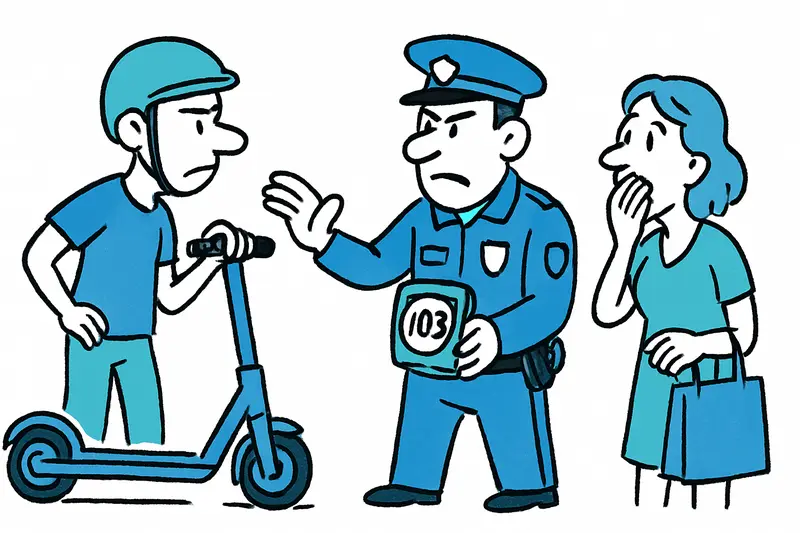
On September 23, police in the Sant Miquel pedestrian zone in Palma confiscated a modified e-scooter that reached 103.2 ...
37 Years of Power and a Tunnel: How 'El Pablo' Shaped La Soledat — and What's Missing Now
The renewed arrest of alleged drug boss Pablo C. M. raises questions: How could a clan deceive streets, homes and author...
Palma blocks parking spaces for tourists – what's behind it and who pays the price?
The city of Palma has declared 1,027 ORA parking spaces in the center as residents-only spaces by official notice. A cal...
More to explore
Discover more interesting content

Can Cap de Bou

Townhouse Lleo 72
