
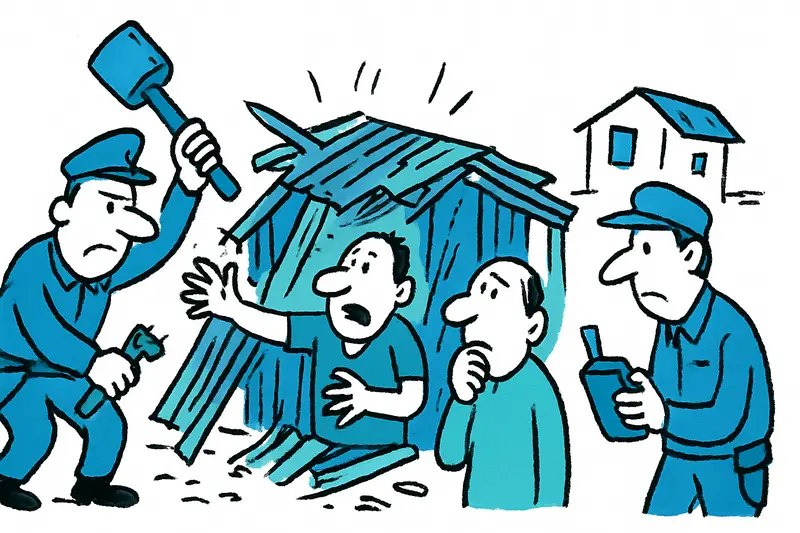
New Raid in Son Banya: Why the Cycle Keeps Repeating
Another large early-morning raid took place in Son Banya: National Police and the city's technical team tore down shacks. Why do diesel, drugs and new constructions keep reappearing?
New Raid in Son Banya: Why the Cycle Keeps Repeating
National police in the early morning, municipal technicians demolish shacks — and by the afternoon something new is often up
Central question: Why do repeated raids and demolitions in Son Banya not provide a lasting solution?
Today, on June 18, 2026, dozens of officers of the National Police were again deployed in Palma's settlement Son Banya; this echoes Major raid in Son Banya: What does a morning with helicopter lights change?. According to available information, several people were arrested, one suspect tried to flee and was stopped. Technicians from the city of Palma supported the operation by removing illegal shacks that were apparently used as points of sale. This is not the first time: the smell of diesel, the scent of burning and the same rhythm of demolition and rebuilding somehow belong to everyday life here — see Police stop new drug shacks in Son Banya — residents briefly breathe a sigh of relief.
Critical analysis: On the one hand, the police operation is a necessary response to acute crimes. On the other hand, the recurring sequence of images of forklifts, patrol cars and freshly removed wooden shacks shows that the measure alone is a bandage on a gaping wound. Police forces can disrupt supply chains, arrest sellers, dismantle sales points — which does not automatically mean that the structure of the market or the living conditions that create it disappear.
You can see who is affected at the access road: early sun on sparse asphalt, clattering bollards, vibrations from patrol cars. People stand to the side, some with coffee cups, others visibly nervous. Dogs bark, a tractor footstep echoes. This is not a scene from a crime novel, this is everyday life in Son Banya — today just as it was a year ago.
What is often missing in public discourse is an honest separation of short-term and long-term policy. There is reporting on arrests and demolitions, but rarely on what happens three, six or twelve months after the operation. Do cleared plots remain empty — or are they quickly reoccupied? Are those arrested prosecuted and how do court decisions affect the local situation? Such follow-up is lacking, and with it the opportunity to evaluate and adapt measures; this lack of follow-up was noted after Another major operation in Son Banya: demolition alone solves nothing.
There is also little space for fundamental questions of responsibility: Who owns the land? What claims do residents have to adequate housing and social support? If demolitions happen without alternatives, the problem is merely shifted. It is also rarely made transparent what role court proceedings, fast-track trials and coordination between police, city administration and social services play in concrete terms, and questions about deeper networks remain, as covered in Major raid in Palma and Son Banya: How extensive is the network behind the 17 arrests?.
Concrete solutions that go beyond the typical demolition scenario must connect several levels: First: binding operation plans that bring together police, municipal technicians, social workers and health services — before, during and after raids. Without social support, the gap for people already living in precarious conditions is large.
Second: legal and technical instruments to prevent demolished structures from being rebuilt within weeks. This can mean a much faster seizure and sealing process, accompanied by clear documentation and a kind of municipal monitoring so that city and justice know which areas are particularly affected.
Third: pragmatic housing and work offers. When people live without perspective, illegal structures create space for crime. Mobile teams, transitional housing, low-threshold employment programs and health services (addiction treatment, harm reduction) are not a luxury but a prerequisite to sustainably weaken drug markets.
Fourth: more transparency. The city should publish regular reports: How many structures were removed? How many reports were filed, how many cases are open? Without comparable figures, operations remain only spectacular moments without measurable success.
Fifth: comprehensible measures against the re-erection of shacks — whether through technical safeguards, legal sanctions or coordinated aftercare that prevents the same plots from being reoccupied shortly afterward.
Everyday moment: On the way back from the operation you often see handcarts, simple bicycles, an old speaker carrying some radio program — the same tune, the same life. It would be cynical to ignore those sounds and show only the images of the operation.
Conclusion: The renewed raid in Son Banya makes it clear that police presence alone is not enough. Demolitions and arrests solve visible problems in the short term, but they do not change the underlying conditions. Anyone who wants to bring about sustainable change in Mallorca must recognize the need for binding, networked measures: legally effective demolitions with safeguarding mechanisms, accompanying social offers, clear transparency rules and a lasting strategy that does not only chase the symptom but also addresses the causes. Son Banya needs more than dawn operations — it needs planning and persistence.
Frequently asked questions
Why do repeated raids and demolitions in Son Banya not provide lasting results for Palma?
What long-term strategies could Mallorca implement beyond demolitions to improve living conditions in Son Banya?
How should authorities measure success after demolitions in Palma’s neighborhoods?
What role do social services and housing play in addressing the root causes of crime in Mallorca’s Son Banya?
What challenges does Son Banya face regarding land ownership and housing rights?
What can planning and transparency changes teach Palma about the raid cycle?
Are there practical housing or employment options that could help residents in Son Banya?
What is the bigger policy question behind the raids in Son Banya?
Similar News
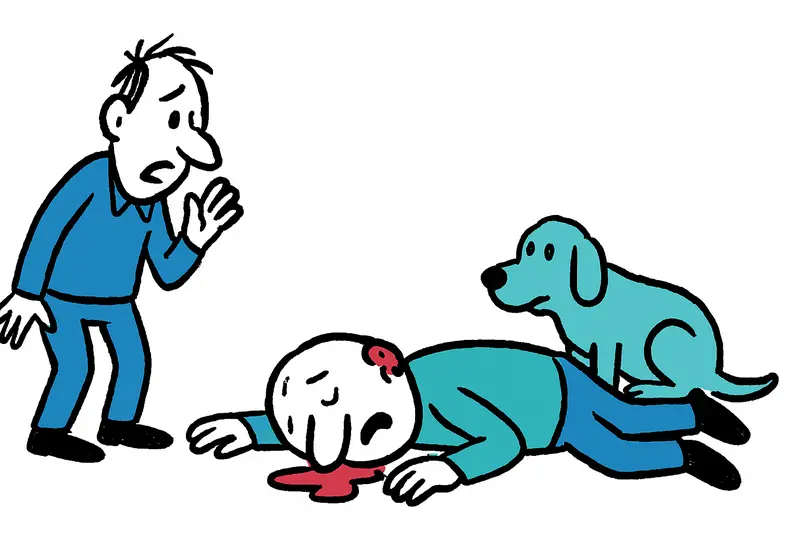
Found dead in Son Gotleu: Dog walk ends fatally — what is missing in the investigation?
A 68-year-old man was found dead on Sunday morning on Tomás Rullàn street in Son Gotleu. According to his partner, he ha...
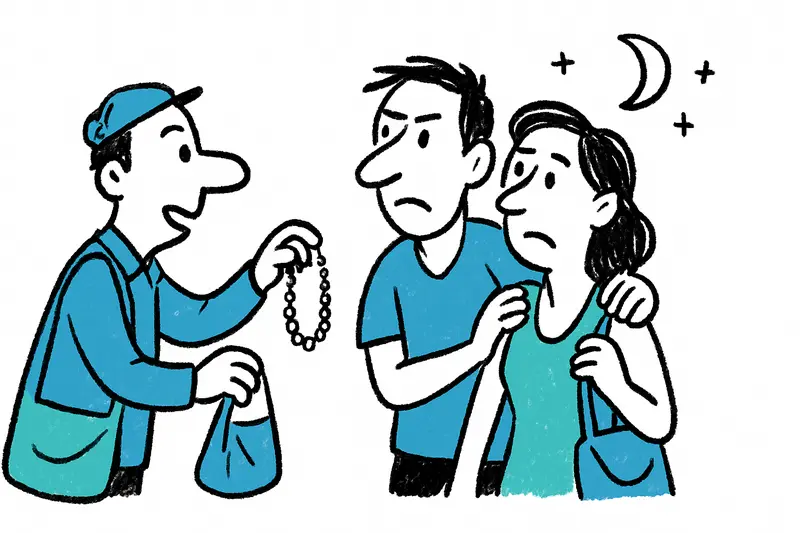
Theft at Playa de Palma: How safe are tourists at night?
At Playa de Palma street vendors snatched a gold chain worth around €5,000 from a tourist. The National Police intervene...
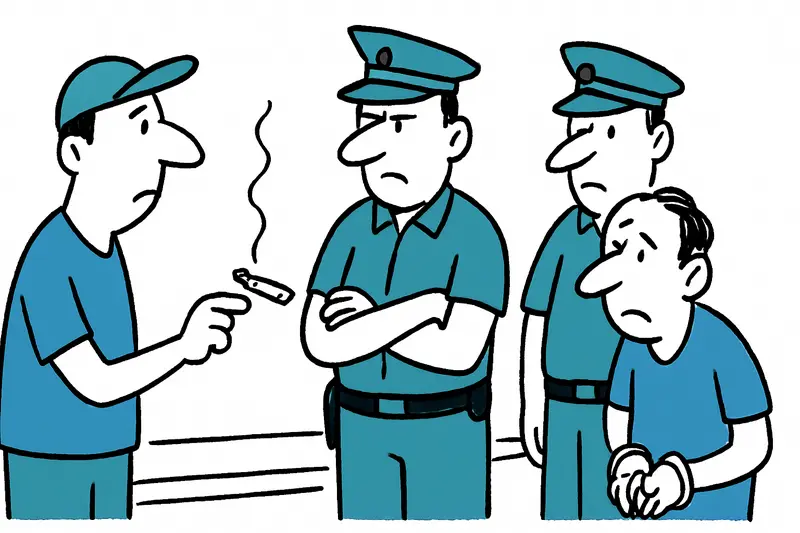
Smoking Weed at the Ballermann: Why a Ten-Euro Joint at Playa de Palma Ends in Handcuffs
A street purchase for 10 euros at Playa de Palma led to an arrest. Why a simple joint on holiday can have serious conseq...

Push-ups on the Sea: Why Prone Paddlesurf is Taking Off in Mallorca
Those who crawl belly-down across the water aren't signaling for an ambulance but curiosity: prone paddlesurf — long, na...

When Bouncers Run Amok: Emmy Russ and the Question of Safety at the Ballermann
An incident at the Megapark involving reality TV figure Emmy Russ raises broader questions about the oversight of securi...
More to explore
Discover more interesting content

Boat Tour with BBQ along Es Trenc Beach

Private transfer from Mallorca Airport (PMI) to Pollensa
