
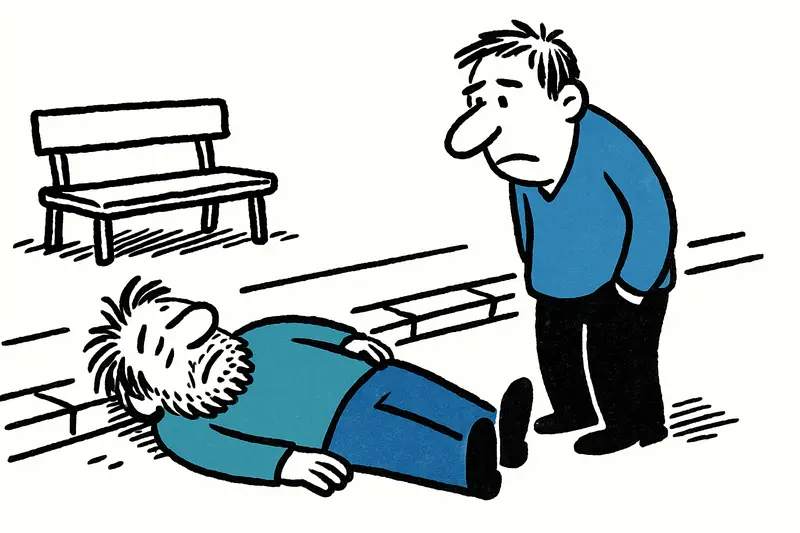
New Year's discovery in Cas Capiscol: A man dead on the sidewalk — what does this say about our care?
New Year's discovery in Cas Capiscol: A man dead on the sidewalk — what does this say about our care?
On New Year's morning a 53-year-old man was found dead in Cas Capiscol. The circumstances raise questions about the care of homeless, sick people in Palma.
New Year's discovery in Cas Capiscol: A man dead on the sidewalk — what does this say about our care?
Key question: How could a sick person die in the middle of Palma on a public street?
On the morning of January 1 a dead man was found in a small park in Cas Capiscol near house number 24. The National Police arrived, specialists secured traces, and forensic doctors found bloodstains in the surrounding area. The deceased is a 53-year-old Spaniard from Asturias who, after leaving the aid facility Ca l’Ardiaca, apparently slept on the street for around two weeks. According to investigative sources, he had suffered from a serious illness for weeks; the autopsy will provide the definitive clarification.
Critical analysis: This single finding is not merely an accident report but a mirror of gaps in the network of social and health services. That a person with a known serious illness remained on the street for days suggests a lack of follow-up care after leaving a facility. Social workers, municipal health services and emergency services seem not to have been sufficiently networked in the chain of care. The fact that the homicide unit is investigating — because bloodstains were found — only shows how quickly a medical death is criminalized when there is no clear information, as other cases have shown, such as Body Found in Santa Catalina: When an Entire Neighborhood Didn't Notice.
What is missing in public discourse: We talk a lot about beds in shelters and less about medical aftercare, medication supply and regular check-ups for people without a fixed residence. There is a lack of transparent statistics on deaths in public spaces, no systematic recording of people at risk and no clearly regulated handovers between emergency shelters and health centers. The question of how and when people are discharged from facilities — and whether someone keeps in touch afterwards — is rarely asked, a problem highlighted in Body in Santa Catalina: Why the death went unnoticed for weeks.
Everyday scene from Palma: Early morning in Cas Capiscol: Müller Street is still asleep, the smell of fresh rolls drifts from a bakery, a neighbor walks a dog on a leash, and on the bench in the park lies someone many locals have already seen. People nod, maybe offer a blanket, but rarely call health services because they don't know whether that would change anything, a pattern echoed in Fatal Discovery in Son Macià: A Case Raising Questions about Protecting Older People.
Concrete solutions: First: strengthen mobile health and social teams that specifically reach out to sick homeless people — including in the mornings when helpers are rarely on the street. Second: introduce handover protocols between emergency shelters and health centers, including clear responsibilities and phone numbers for follow-up contacts. Third: create short-term medical recovery places where people, after leaving a shelter, can receive medication and medical care. Fourth: mandatory recording of deaths in public spaces so the city can recognize patterns and react. Fifth: simple reporting channels for residents and building managers who see conspicuous, sick people — so help does not fail due to office hours.
Concluding point: The autopsy will show whether illness was the cause of death. But even if that is the case, the bitter question remains: would coordinated follow-up care or a prompt medical visit have saved the life? Cas Capiscol is not an exception — the problem affects many corners of Palma, as other reports such as Mourning at Ballermann: Who protects the most vulnerable at Playa de Palma? demonstrate. If we do not begin to practically link care and social responsibility, we will continue to read such reports. That a person dies on the sidewalk on New Year's morning is a call to action, not just to compassion.
Frequently asked questions
What happened in Cas Capiscol, Palma, on New Year's morning?
How cold is Mallorca in winter for people sleeping outside?
What should you do if you see a sick or unconscious person on the street in Palma?
Why are deaths among homeless people in Palma so hard to prevent?
What does Ca l’Ardiaca do in Palma?
Why do police investigate deaths on the street in Palma?
What winter safety advice applies to homeless people in Mallorca?
How can Palma improve care for people without a fixed address?
Similar News
Injured captain, big plans: Germania Mallorca before the away match in Consell
The newly founded FC Germania Mallorca travels to Consell on Saturday. Captain Bastian Müller is out injured, but coach ...
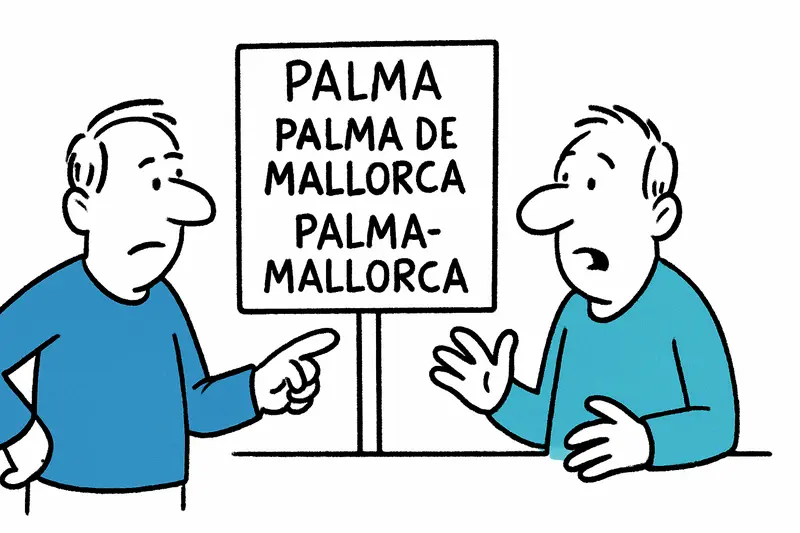
Palma, Palma de Mallorca, Palma‑Mallorca: What is it really about?
The debate over the city's name is more than grammar: it concerns identity, law and branding policy. A sober reality che...
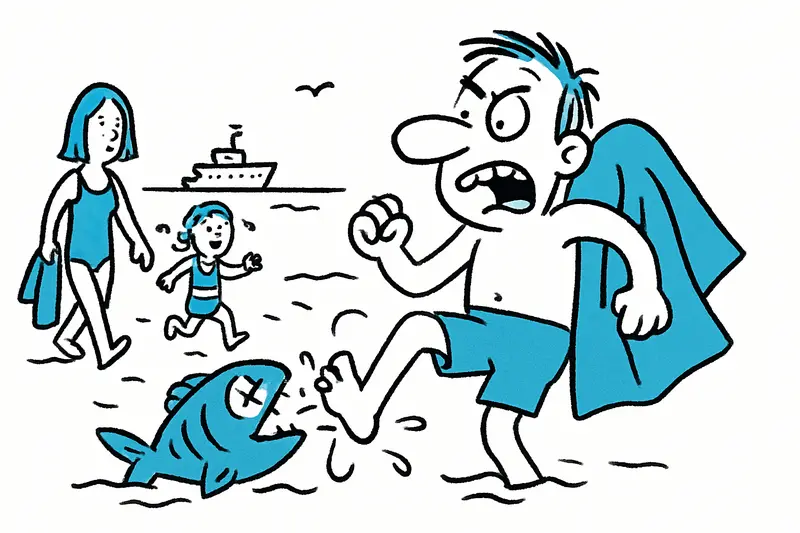
Warning to Bathers: Nipping Fish in Cala Major and Other Coves — a Reality Check
In Cala Major and several beaches around Mallorca, bathers report painful “nips”. Who are the animals, why are they gett...
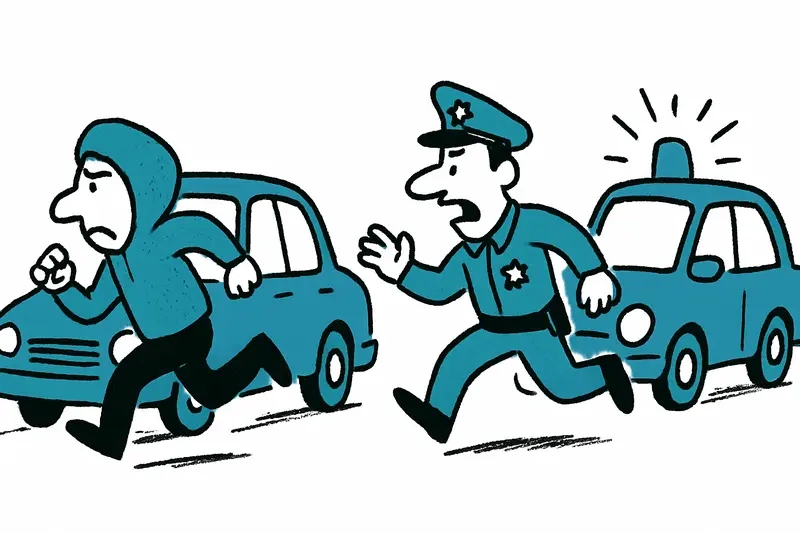
Rental Car Theft in El Arenal: What This Incident Reveals About Our Gaps
A teenager steals a running rental car in El Arenal, flees on foot, climbs over walls and is caught by the Guardia Civil...
Red Rope in Palma's Library: What Helps Against Selfie Tourism — and What's Missing
Palma's city library cordoned off an area with a red rope to keep selfie tourism away from reading and working activitie...
More to explore
Discover more interesting content

Can Cap de Bou

Townhouse Lleo 72
