
Mourning at Ballermann: Who protects the most vulnerable at Playa de Palma?
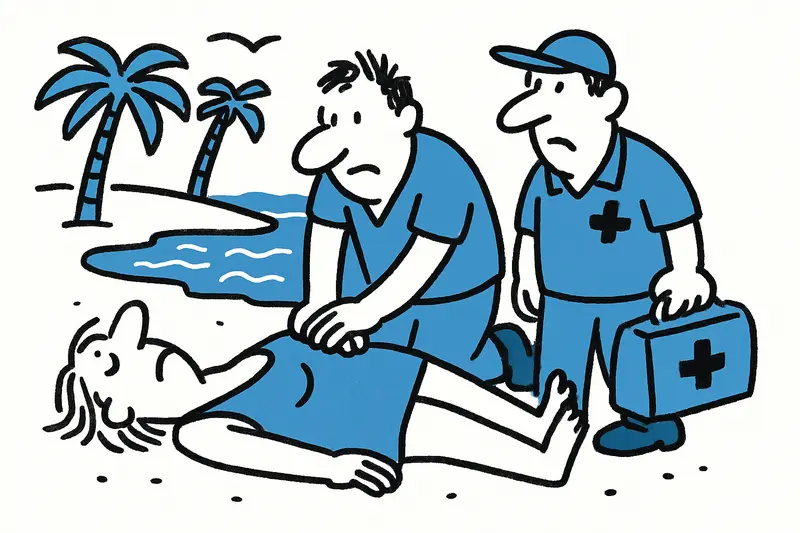
A 63-year-old woman was found lifeless at Playa de Palma. Emergency responders could not save her life. The incident raises renewed questions about homelessness, emergency care and social responsibility at Ballermann.
Empty towel, quiet promenade: A death at Playa de Palma
In the late afternoon, around 4 pm, the promenade of El Arenal, usually filled with voices, seagull cries and vendor calls, briefly turned into a calm, solemn place. A 63-year-old woman was found lifeless on the beach near Balneario 2, as reported in Playa de Palma: Death at Balneario 2 – How good is Mallorca's help for people in need?. Passersby alerted emergency services; three ambulances and a doctor responded. Despite immediate resuscitation efforts, her life could not be saved.
The key question: Why does this keep happening at Ballermann?
This incident is more than sad news — it raises an urgent question: why are vulnerable people repeatedly found in the most touristic sections of Mallorca without being sufficiently protected or cared for? Not only tourists enjoy Playa de Palma; people who have little or no home also live and stay here, often invisible among sunbeds and stalls, a paradox examined in Ballermann in Focus: How safe is Playa de Palma really?.
Authorities confirmed that the Guardia Civil is taking over the investigation and that the Institute of Forensics will determine the cause of death. So far there are no indications of third-party involvement. That is correct and important — but the question of structural responsibility remains: who notices, who helps, who prevents similar fates?
Emergency services and everyday life on the coast
The helpers that afternoon acted quickly and professionally. A resident watched from the promenade and said quietly: "She lay still by the water, and everyone looked shocked. You could immediately tell that the rescuers gave everything." This is the fine line between routine emergency medicine and the inability to provide preventive measures.
During the high season, emergency services are often prepared for temporary peaks — but people who live on the coast permanently or regularly sleep there need more than rapid interventions. Prevention would require both medical and social components here: regular health checks, psychosocial services and coordinated support in the evening hours when most social services are already closed.
Homelessness, anonymity, questions of responsibility
Witnesses describe the deceased as someone who regularly stayed in the same section, often with light luggage on a bench. Such observations make clear how commonplace this presence has become — and how invisible the affected people remain despite their visibility. The proximity to tourist flows creates a paradoxical situation: many eyes are on people here, yet there is often no system that permanently keeps them in view.
In neighborhood discussions, calls are being made again: mobile social teams, more shelters with flexible opening hours, regular checks by social workers and coordination between the municipality, health services and NGOs. Less discussed is the question of reliable transitional offers that do not leave anyone to fall through the cracks — especially outside usual office hours.
Small measures with big impact
What could help in the short term: clearly visible emergency call points and publicly accessible defibrillators along the promenade, low-threshold health consultations by mobile teams, strengthened cooperation between hoteliers, vendors and social services for early detection. In the medium term, however, concrete political decisions are needed: funding for year-round accommodation places, reintegration programs and data projects that make the extent of such cases transparent.
The local community can also contribute: vendors, lifeguards and residents who look attentively can signal help early. That requires training, time and a network that enables quick referrals to specialist agencies.
What remains — and what needs to be done
The death of the 63-year-old leaves not only mourning but also a feeling of powerlessness in an otherwise lively coastal area. The emergency personnel deserve thanks — that day they could only react. The greater task is to strengthen prevention and create structures that do not leave people in precarious situations alone.
Until the forensic results are available, speculation should be avoided and the privacy of those affected respected. At the same time, it would be wrong to dismiss this incident as an isolated case; reporting on other fatal incidents, such as Dead Tourist at Playa de Palma: An Accident Raises Many Questions, reinforces that concern. It is a call to politics, administration and society: more attention, better services and coordinated help could prevent such tragedies. The next heatwave, the next crowded beach will come — the question is whether we notice and act in time.
Update: We will report as soon as the authorities release further information.
Frequently asked questions
How safe is Playa de Palma in Mallorca for vulnerable people?
What should you do if you find an unresponsive person on a Mallorca beach?
Why do incidents at Ballermann in Mallorca raise social concerns as well as safety questions?
What help is available for homeless people in El Arenal, Mallorca?
Are there defibrillators and emergency call points on Playa de Palma?
What role do lifeguards and beach staff play in emergencies at Mallorca beaches?
Why can people sleeping on the promenade in Mallorca go unnoticed?
When is Playa de Palma in Mallorca most difficult for social services to cover?
Similar News

Maribel: Five Decades of Service – Housekeeper from Peguera Celebrated with a Special Honor
Over 50 years in the hotel business: María Isabel “Maribel” Molinos was honored in Palma at the Nit del Turisme by Unive...
Orange Alert over Parts of Mallorca: Are We Prepared?
Dark clouds and an announced wet spell have triggered an Orange alert in parts of Mallorca. A reality check: what's miss...

Sundair & Co.: Sale speculation and what it could mean for Mallorca
Rumors about a possible sale of the airlines Sundair and Fly Air 41, which belong to Schauinsland-Reisen — and whether b...
Anne Wünsche in Mallorca: A job offer with a catch — who fits the role of personal assistant?
Influencer Anne Wünsche has left Berlin and is urgently looking for a full-time personal assistant in Mallorca. Why the ...
Daily from New York: Palma Between Boom and Strain
United will increase the Newark–Palma route to daily flights in 2027 using Boeing aircraft (231 seats). What does the in...
More to explore
Discover more interesting content

Can Cap de Bou

Townhouse Lleo 72
