
Playa de Palma: Death at Balneario 2 – How good is Mallorca's help for people in need?
A 63-year-old woman dies at Balneario 2 in El Arenal. The rapid response of the rescue teams was not enough. The scene raises questions about the care of vulnerable people and the equipment of the beaches.
Playa de Palma: Death at Balneario 2 – How good is Mallorca's help for people in need?
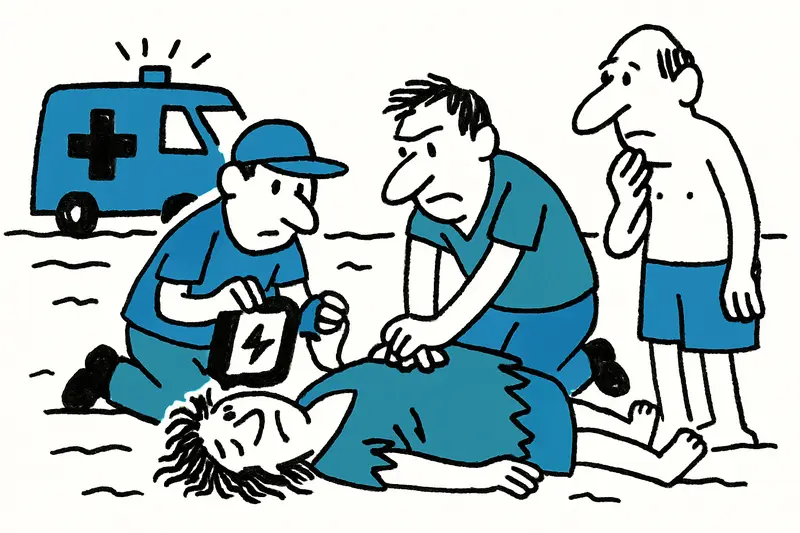
On an early afternoon at Playa de Palma, the sea sparkled, seagulls circled and Balneario 2 saw the usual comings and goings. Around 4 p.m. a disturbing scene tore through everyday life: walkers found a woman unconscious on the beach. Ambulances arrived, paramedics tried to resuscitate – but the 63-year-old died on site. A sad, almost banal headline that nevertheless left many questions unanswered that day.
The main question
Could her death have been prevented? That is not just a rhetorical question but the core of what now needs to be discussed in El Arenal. The circumstances – an open beach, an apparently homeless woman, a rapid but unsuccessful resuscitation – reveal gaps in prevention, immediate aid and social care (see Mourning at Ballermann: Who protects the most vulnerable at Playa de Palma?).
What the scene reveals
Witnesses describe how the woman suddenly collapsed. Within minutes three ambulances were on site, paramedics administered oxygen and used a defibrillator; these actions are detailed in media reports (Sudden death at Balneario 2: What the incident in Arenal reveals about our emergency preparedness). This swift reaction is commendable and underlines how important well-equipped response teams are. Still, the rescue was unsuccessful. Her identity is still unclear, and there are no confirmed details about pre-existing conditions.
Between the sun umbrellas kiosk owners sat, an older man dried his hands after bathing, seagulls stole fries – typical sounds of a Mallorcan beach promenade that fell silent that day. Such moments pull the neighborhood out of the tourist image and expose everyday issues that are otherwise conveniently overlooked. Similar cases have been reported elsewhere on the coast, for example in Dead Tourist at Playa de Palma: An Accident Raises Many Questions.
Aspects that are rarely discussed
First: the situation of homeless or vulnerable people at tourist hotspots. Those who live permanently near the beach often have no easy access to medical care, medication or social support. Second: public infrastructure on the beach – are there enough automated external defibrillators (AEDs) visible and accessible? Are there clear signs showing where they can be found? Third: reporting systems and identification. If no one comes forward to identify a deceased person, everything takes longer and relatives remain in the dark.
Concrete opportunities and solutions
The tragic outcome can be a reason to consider concrete improvements:
More AEDs and better visibility: Highly frequented beach sections like Balneario 2 should have clearly visible and easily accessible defibrillators — not only during the summer season; see guidance on placement and use in the European Resuscitation Council information about AED use.
Training for locals and business owners: Kiosk staff, landlords and promenade vendors see a lot and can often provide first aid if they are trained. Courses in resuscitation and AED use could be offered regularly, for example through Spanish Red Cross first aid courses.
Preventive social work on site: Mobile street teams that regularly patrol popular beach sections can care for chronically vulnerable people, manage medication or respond quickly in emergencies.
Clear reporting procedures and signage: If citizens report a location immediately via the emergency number 112 with clear location details – for example "Balneario 2, near lifeguard tower x" – it helps responders save valuable minutes; see European 112 emergency number information.
Better networking of services: Police, ambulance services, public health departments and local aid organizations should have binding procedures for such cases: quick identity clarification, communication with possible relatives and follow-up social-medical care.
An appeal to the island community
El Arenal is not just sangría and promenade crowds; it is also a living space for people on the margins of the system. The incident at Balneario 2 shows that technical help alone is not enough. A mix of medical equipment, preventive social work and an attentive, trained public is needed.
Anyone who observed something on Wednesday or can provide information is asked to contact the local police. Even more important: those who do not look away can save lives in the future. A short first aid course, a sign, a defibrillator — small building blocks that together can make a big difference.
The investigation into the cause of death is ongoing. Until then the promenade at Balneario 2 remains a place of questions, but also an opportunity to change something.
Frequently asked questions
How safe is Playa de Palma for people who need urgent help?
What should I do if someone collapses on a beach in Mallorca?
Are AEDs easy to find at Playa de Palma?
What does a beach emergency in Mallorca reveal about support for vulnerable people?
Why is Balneario 2 in Playa de Palma mentioned so often in local news?
Can tourists and locals help more in emergencies at Playa de Palma?
What is the best way to report a beach emergency in Mallorca?
What can be improved after a death at Playa de Palma?
Similar News
Release after bloody attack in Palma: Why the court's decision raises questions
An 18-year-old who allegedly inflicted a serious neck injury on a man at Plaza Gomila using a wristwatch wrapped around ...
Kidnappings in Inca: Three young men forced into car trunks and abused in the forest – a reality check
In Inca, three 18-year-old men were forced into car trunks by masked assailants at the Plaça des Bestiar, taken to a for...
Spreading Massification: The Brake That Still Has Much Work to Do
Marga Prohens announces limits on volume tourism. The measures sound harsh — but are they enough to save everyday life, ...
Through the Keyhole onto the Party Yacht: How Daniela Katzenberger Is Planning Her 40th on Mallorca
Daniela Katzenberger turns 40 and wants to celebrate it on the island — likely with a boat, cake and her mother. A relax...
By Boat Instead of the Road: Palma's Water Bus — a Reality Check
The 'Bus Nàutic' launches in two stages — but questions remain over interim operations, fares and environmental requirem...
More to explore
Discover more interesting content

Can Cap de Bou

Townhouse Lleo 72
