
Nighttime fire in Llucmajor: pets die, questions remain
Nighttime fire in Llucmajor: pets die, questions remain
A fire in a three-story house in Llucmajor killed several pets. Residents escaped, the building was heavily damaged. What is missing in prevention and rescue?
Nighttime fire in Llucmajor: pets die, questions remain
How could such a great tragedy for animals occur despite residents escaping?
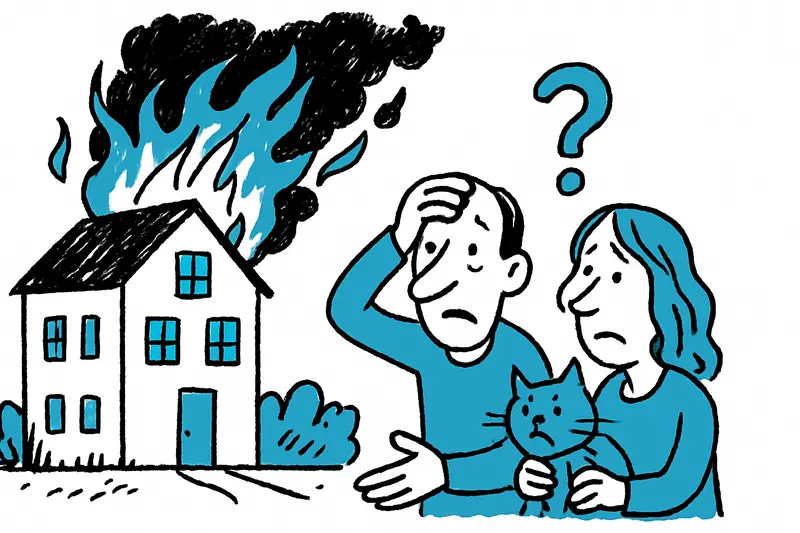
At night a fire broke out in a three-story residential building in Llucmajor, starting on the ground floor and spreading rapidly, as reported in Incendio nocturno en Llucmajor: mascotas mueren, quedan preguntas. A woman and her son were able to leave the house; they sought medical attention, and the mother was taken to hospital as a precaution. During the extinguishing efforts, emergency crews found several dead pets: a dog, a cat, a parrot and two other birds. The building was cordoned off due to severe structural and electrical damage; the Guardia Civil and the fire department are investigating.
Key question: Why do residential fires in Mallorca not only result in property damage but repeatedly in dead pets — and what happens in the minutes when people flee and animals are left behind?
The first critical observation is banal and painful: pets are hard to control when panicked. In a cramped stairwell or amid dense smoke, an animal has little chance of getting outside on its own. But that is only one side of the coin. Right next to it lie avoidable weaknesses: missing or non-functioning smoke detectors, inadequate escape routes, unsafe electrical installations on the ground floor — and often simply the absence of a concrete evacuation plan for animals.
In public discourse such accidents usually appear only briefly. People quickly speculate about the cause, images from the scene are spread, and then the next story appears. What gets lost in the process is practical prevention at the household level and organizational requirements at the municipal level. We rarely hear about targeted awareness campaigns, subsidies for smoke detectors in older buildings, or mandatory checks of electrical installations in heritage housing.
A scene from everyday life in Llucmajor: The street in front of the incident site was still cool in the morning, the smells of burnt plastic and fire foam hung in the air. Neighbors stood together with blankets and cups of coffee, some with tears in their eyes, others silent. The small market nearby opened later, vendors exchanged looks of stunned disbelief. This is not sensationalism, but a real feeling: people live here, pets are lost here, and it happens right among us.
Concrete causes will only be revealed by the investigations of the Guardia Civil, as noted in earlier reporting Mascotas mueren en un incendio en vivienda en Llucmajor — ¿Qué tan seguros estamos realmente?. Until then, measures can be named that reduce the risk to people and animals: mandatory smoke detectors in all homes (not just new buildings), regular mandatory inspections of household electrical systems in older properties, and more accessible power strips and fuses in areas where pets are kept. Small investments in technology save lives — including those of animals.
On the prevention level, the municipality should start with simple guidance: checklists for correct behavior in case of fire, concrete tips for safely securing pets (e.g. stable, quickly accessible transport boxes, collars with address and phone number), and local actions where volunteers help install smoke detectors. Fire departments and animal welfare organizations should run joint exercises to practice animal rescue procedures — this avoids improvised and often risky operations when every second counts.
Structural solutions are also possible: the city administration could launch a subsidy program that finances smoke detectors and basic fire protection measures for low-income households. Property managers should be required to prepare emergency plans and regularly inform residents. In neighborhoods with many pets, neighborhood networks can be established to help during an alarm — one neighbor brings the cat carrier, another handles the dog leash.
For emergency responders it is important that animal rescue is not seen as a luxury but as an integral part of hazard management. That means targeted equipment, protective gear for firefighters and training in handling frightened animals. Such measures do not have to be expensive; they require planning and the necessary political will.
What is missing in public discussion is a simple, comprehensible plan: What to do if there is a fire and animals are in the house? Homeowners need practical routines: a transport box within reach, a collar with registration, a central meeting point outside. Authorities need clear requirements. Neighbors need a culture of looking out for one another instead of looking away.
Conclusion: The nighttime fire in Llucmajor is tragic and partly preventable. Human evacuation succeeded — the animals fell victim to gaps in preparation, building equipment and community organization. If we take the issue seriously, we can implement simple changes in many households that will save lives next time. And yes: we will still go to the market, but with a better plan for our homes and our animals.
What is important now: Stay calm, await the investigations, support neighbors and check at home: Do smoke detectors work? Is a transport box ready? Is there a collar with contact information? The city must draw the right conclusions — before the next alarm sounds.
Frequently asked questions
How can a house fire in Mallorca spread so quickly at night?
What should I do with pets if there is a fire in my Mallorca home?
Are smoke detectors important in older Mallorca homes?
What happens after a fire in a residential building in Llucmajor?
Why do pets often die in residential fires in Mallorca?
What fire safety checks should Mallorca homeowners do at home?
Can the local council in Mallorca help residents install smoke detectors?
What should neighbours in Llucmajor do after a fire affects a home?
Similar News
When the Wallet Becomes a Danger: Attack in Peguera and Lessons for Mallorca
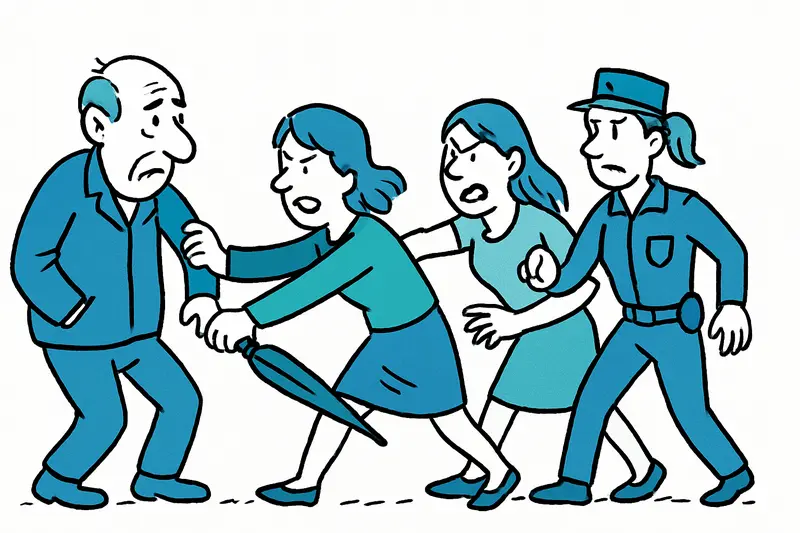
In Peguera, two women are said to have stolen the wallet from a 75-year-old German couple. When the victim intervened, t...
Plata stays Plata: Young people take over, Llonguets remain
A small bar on Carrer de l'Argenteria will continue: Tolo Serra hands the place over to young Mallorcans at the end of t...
Unnoticed in the Luggage Compartment: How a Boy Traveled More Than 100 Kilometers in a Team Bus
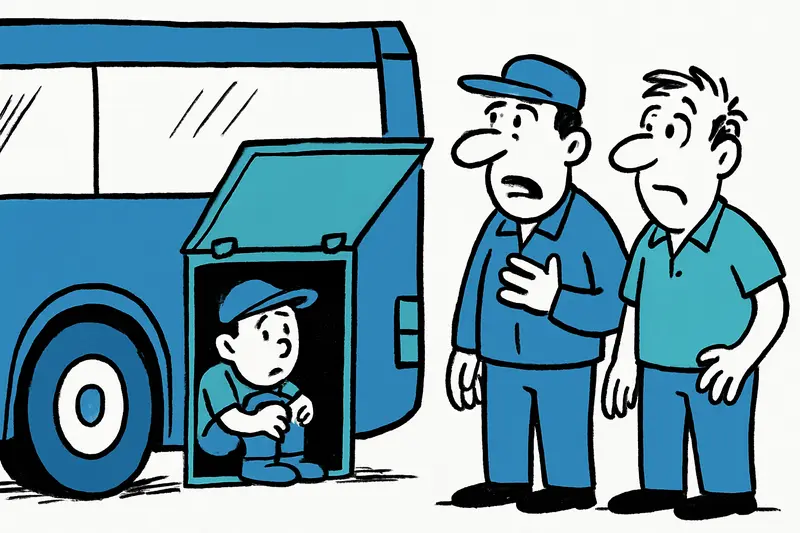
A minor traveled in the undercarriage of a team bus for more than 100 kilometers until his cries for help were heard. A ...

Cap Vermell Grand: Second Michelin Key – a Gift for the East
The Cap Vermell Grand in Capdepera has been awarded its second Michelin key. For the region this elevates the luxury off...
Eurowings lets four aircraft carry names – a friendly idea that also reaches Mallorca
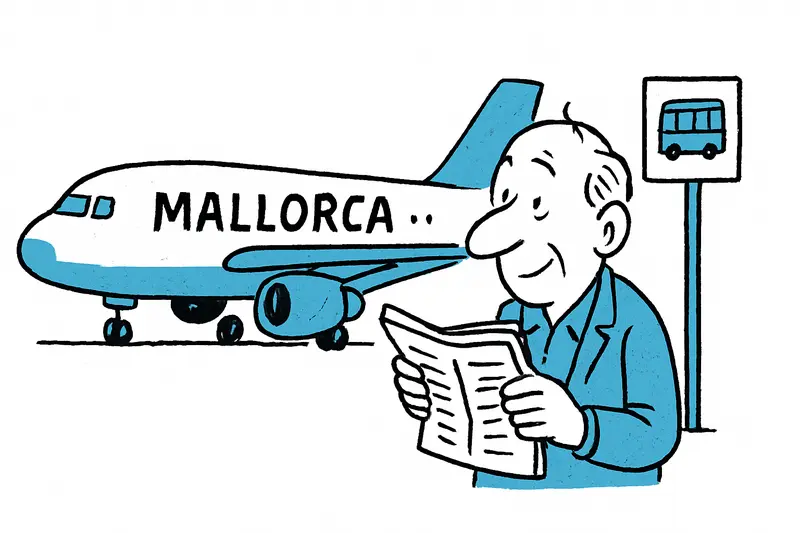
Eurowings is launching a campaign: four Airbus A320s are to carry the first names of people who help others in everyday ...
More to explore
Discover more interesting content

Can Cap de Bou

Townhouse Lleo 72
