

Campus awakens: Over 14,000 students start at the UIB – new master's programs and a view of the sea
More life on campus: Around 14,000 students begin the semester at the UIB. Three new master's programs, a planned bachelor's in Marine Sciences and many everyday concerns shape the start — for Mallorca this means more research, practical focus and youthful energy.
Campus awakens: More life, more plans
The campus of the Universitat de les Illes Balears has shed its winter hibernation this morning, a scene echoed in regional coverage such as Inicio de curso en las Baleares: 161.000 alumnos regresan — nuevas reglas y planes de estudio. Lines form at the coffee machines, footsteps echo along the library aisles, and debates outside the lecture halls buzz louder than usual. More than 14,000 students are expected this semester — including around 3,000 freshmen, who dart across the grounds with wide eyes, too many paper cups and a lot of anticipation.
New master's: practical, regional and future-oriented
Particularly noticeable are three new master's programs that the UIB is introducing this semester: Social Work in Healthcare, Environmental Radiology and Global Health. The titles sound serious, and that is intentional. On the islands, health, care and environmental issues merge in a special way — and the university is responding to that. These initiatives mirror coverage like La UIB se expande: seis nuevos grados buscan mantener en Mallorca a estudiantes y profesionales.
Students who came through the university gates today with jangling keys often said, "This is exactly what I was looking for." Short sentences, big intentions. The curricula are more practice-oriented, with partnerships in clinics, community projects and laboratories. For Mallorca this means: better trained professionals who won't have to get to know the peninsula only once they start their first job.
Bachelor in Marine Sciences: a year of planning before construction
An issue that particularly piques curiosity on the island: from next year a Bachelor in Marine Sciences is scheduled to be offered as part of UIB expands: Six new bachelor's degrees aim to keep students and professionals on Mallorca. The Faculty of Natural Sciences is planning a new building for it — a bold step, because an institute for marine research could more closely link teaching, research and the local economy.
The start of construction is still open; talks with local politicians are ongoing. If all goes well, that would mean not only lecture halls with a view of the sea, but also research projects on fish stocks, coastal protection and ecotourism — topics discussed daily here in beach bars and fishing harbors.
Everyday life on the island: between house hunting and breaks in the sun
Campus life moves between optimism and pragmatism. Many students speak of searching for apartments in neighborhoods like Santa Catalina or the Old Town, of part-time jobs in cafés on the Plaça, or of cycling to the university. The wind brings the salty scent of the sea, a policewoman on the corner calls "Buenos días", and somewhere a dog barks — that's what studying in Mallorca sounds like.
"Fewer online lectures, more encounters," said a student who picked up her timetable today. It's a wish heard everywhere. The university promises more practical elements and closer contacts with companies and institutions on the islands. When lectures take place more often again in real lecture halls, not only does the learning experience grow — cafés also benefit from longer lunch breaks in the sun.
What this means for Mallorca
The planned changes are more than statistics. New degree programs and a potential marine institute could strengthen local research, open practical training pathways and supply the island economy with young professionals. This is not glossy university advertising, but a realistic view: education policy here is directly tied to everyday life — from healthcare to the sustainable use of the sea.
Critical questions remain: Will the new building be completed on time? Will there be enough affordable housing for students? How quickly can research be translated into local applications? These issues will shape the coming months. The outlook is encouraging: the UIB intends to grow, with measured steps and a clear focus on regional needs.
In the coming weeks this will mean above all: full lecture halls, lively corridors and more voices on campus again. Anyone walking the university paths now senses a mix of eagerness and calm — and sometimes the smell of freshly brewed coffee and sea salt drifts through the doors. Mallorca breathes easier: science is on the move.
Frequently asked questions
What is changing at the UIB in Mallorca this semester?
Which new master's degrees are available at the UIB in Mallorca?
Will the UIB offer a marine sciences degree in Mallorca soon?
Why is the UIB focusing more on practical training in Mallorca?
What is student life like at the UIB in Mallorca at the start of term?
Is it hard to find student housing in Mallorca near the UIB?
How could a marine sciences institute benefit Mallorca?
What does the UIB's growth mean for Mallorca's future?
Similar News
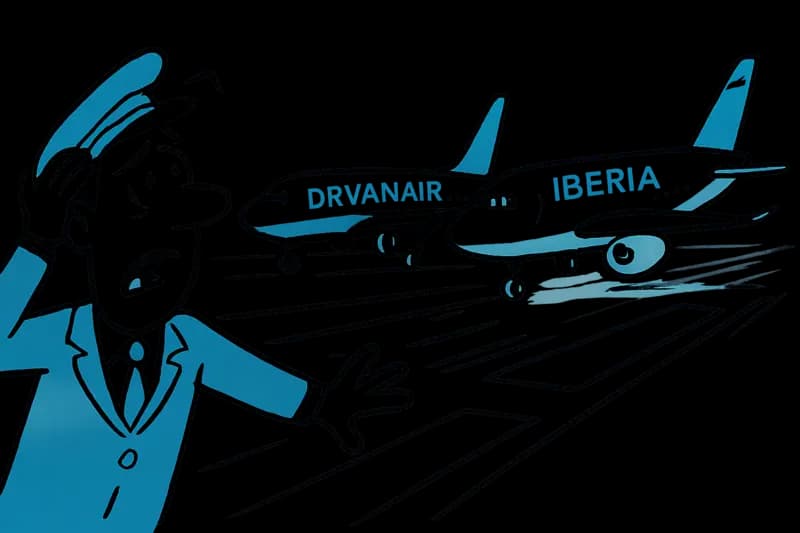
Near-miss on Lanzarote: Landing Ryanair Jet and Iberia Takeoff — what really went wrong
On Lanzarote there was a dangerous incident: A Ryanair flight (FR5910) from Dublin landed on runway 03 while an Iberia E...
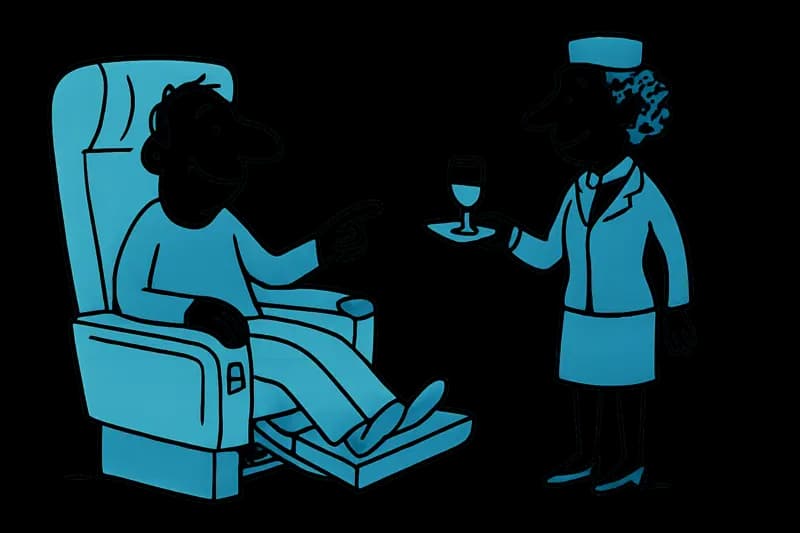
Eurowings introduces new Premium Business seats on Mallorca routes
From December 1, selected Eurowings flights to Palma and other destinations will feature eight particularly generous sea...

Car on MA-13 near Inca in flames – a safety check for the island
A vehicle caught fire on the MA-13 towards Alcúdia on Tuesday afternoon. The driver was uninjured, the car was destroyed...

Real Estate in Mallorca: Fewer Buyers, Higher Prices — What's Behind It?
Sales on Mallorca are falling, yet prices continue to climb. Why fewer transactions do not equal relief — and what shoul...
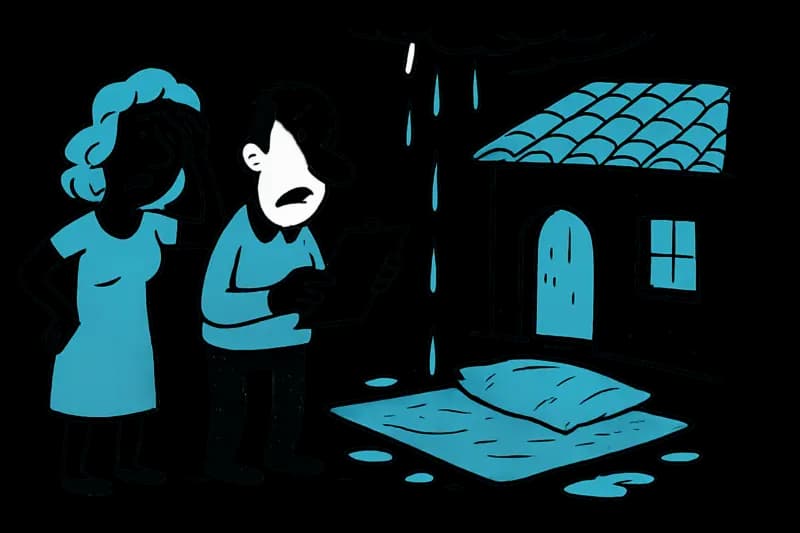
Just Bought — Already Trouble: Water Damage in the Heiters' Villa and What Owners in Mallorca Should Know Now
A newly purchased sea-view property — and within days a water damage. What risks lurk in new properties in Mallorca, and...
More to explore
Discover more interesting content

Can Cap de Bou

Townhouse Lleo 72
