
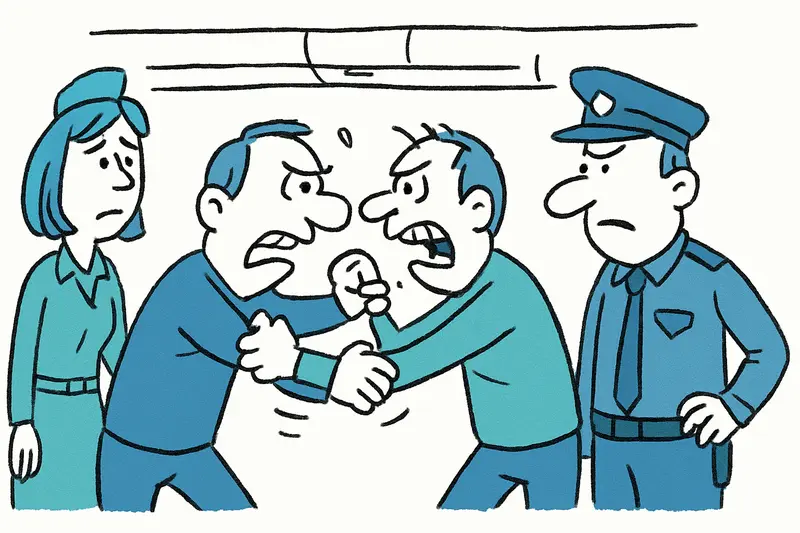
Physical altercation on board: holiday flight returns to Tenerife – Who protects passengers and crew?
Physical altercation on board: holiday flight returns to Tenerife – Who protects passengers and crew?
A holiday flight to Liverpool turned back after a confrontation between two families on board escalated. Why such incidents keep happening and how they could be avoided.
Physical altercation on board: holiday plane returns to Tenerife
Why do conflicts escalate in cramped cabins, and who ensures safety?
A short evening flight from Tenerife South bound for Liverpool ended abruptly: according to reports on board, several people were involved in a physical altercation that became so violent that the cockpit crew turned the aircraft back to the departure airport to request a priority landing. Police boarded on the tarmac, individual passengers were escorted off the aircraft, and minors are said to have been among them. The plane returned; for the remaining guests a long wait began on the treacherous asphalt under the summer heat.
The scene is easy to imagine: on the apron the rumble of luggage carts, inside the monotonous whir of the air conditioning, voices that sound louder in a confined cabin than outside. The pilot does not make the decision on a whim. Safety in aviation is not a gut feeling but a weighing of factors: if an incident threatens the crew, the passengers or the safe conduct of the flight, an abort is justified (see a precautionary return after technical issues in a flight returning due to onboard toilet problems).
Key question: Why are there increasingly outbreaks on board right now, in the middle of peak season, and how can the island region respond better? It's not enough to lament each individual case. The answer lies on several levels: overload from long travel days, alcohol consumption before and during boarding, confusing group dynamics – especially when families travel large and noisy – as well as stress due to delays and cramped seating. The heat, the crowding at the gate, the nervous announcements: all these are small sparks that can easily become a flame in the closed air of a plane.
Critical analysis: Airlines and airports do have deployment plans, but practice reveals gaps. Crew members are trained in de-escalation, yet physical fights cannot always be ended verbally; some incidents have even involved trained fighters, as described in an incident involving a female martial artist on board. Ground staff must set boundaries before a situation on board tips over; that means less tolerance during boarding for obvious intoxication or aggressive behavior. At the same time, there is often a lack of transparency about what sanctions will follow – this frustrates other travelers and creates the impression that rules are not enforced.
What is missing in public discourse: a sober debate about the role of minors in such incidents, the consequences for traumatized fellow travelers and the responsible handling by airlines. Too easily the topic is dismissed as a 'slip' instead of addressing structural causes: clear regulations on travelling with large groups or the accompaniment of unaccompanied minors are partly missing, as are binding rules for alcoholic beverages before departure. The human cost becomes clearer when incidents also lead to injuries, such as the case of two flight attendants injured during severe turbulence, underscoring the need for consistent prevention and response.
Everyday scene from Mallorca: anyone who walks through Son Sant Joan on a July morning knows the picture: families with beach toys and suitcases, arriving flights bringing exhausted faces, announcements about gate changes, a loud beeping of suitcase straps on the conveyor. The mood can quickly turn when two parties face each other at the gate and no visible authority intervenes; similar situations have escalated before, for example in a well-documented carry-on dispute at the emergency exit. This is not a distant case – it is the climate in which such escalations can arise.
Concrete solutions: Airports and airlines must cooperate more closely. Short-term implementable suggestions: 1) increased presence of security personnel at heavily frequented gates during the holiday season, 2) clear rules and enforcement for obvious intoxication or aggressive behavior before boarding, 3) mandatory separate seating options for large travel groups where possible, 4) mandatory reporting and documentation of every security-relevant incident by the crew with a standardized procedure, 5) improved de-escalation training plus simulations of physical incidents for cabin crew. Mid-term, airports should consider preventive information campaigns: info boards that point out conduct rules and possible consequences, and apps with which crew and ground staff can call for help faster.
Legally the situation is clearer than many think: local police have the right to intervene on site, ascertain identities and, if necessary, file charges. Sanctions range from flight bans to fines and criminal measures. For these measures to have effect, however, they must be communicated transparently and applied consistently. Otherwise they remain an abstract threat to the majority of passengers.
Conclusion: A flight abort due to a mass brawl is more than an inglorious headline. It is a warning signal: the combination of heat, crowds, alcohol and frayed nerves needs better prevention. Those responsible in the aviation industry must act practically now – not only when another aircraft has turned back and people have to wait on a hot tarmac.
Frequently asked questions
When is the best time to visit Mallorca for beach days?
Can you swim in Mallorca year-round?
What should I pack for a Mallorca trip?
What are easy day trips from Palma?
Which beaches in Mallorca are family-friendly?
What nature experiences are best in Mallorca?
What is the best way to get around Mallorca?
What weather should I expect planning a Mallorca trip?
Similar News

More water than last year: Mallorca's reservoirs breathe easier
September rain refilled the Tramuntana's reserves: overall fill around 35 percent, Cúber at 40.42 percent, Gorg Blau at ...
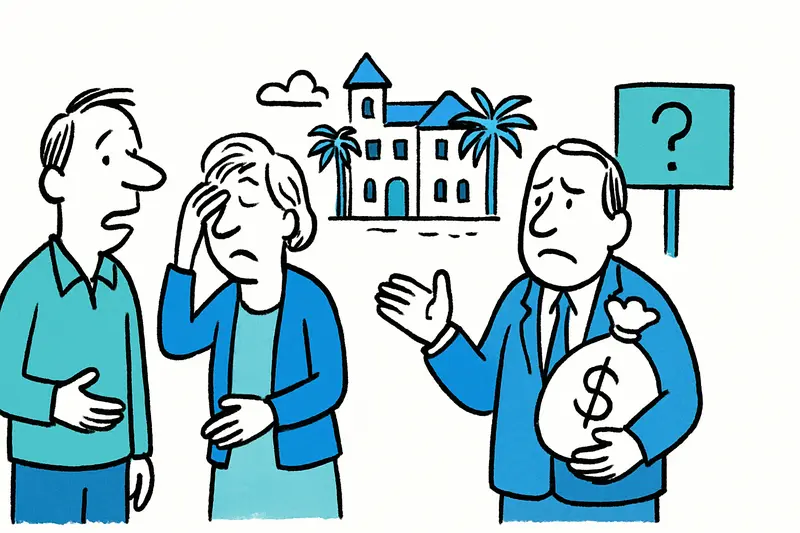
Three Luxury Hotels in Banyalbufar: Lots of Money, Many Questions
A Danish investor plans three exclusive accommodations in Banyalbufar — including the historic Son Valentí. The announce...
2.1 tonnes of cocaine on sailing yacht off Spain's coast – a reality check for the coastguard
A 14-metre yacht was seized with 2.1 tonnes of cocaine. Who monitors the ports, how does the international hunt succeed ...
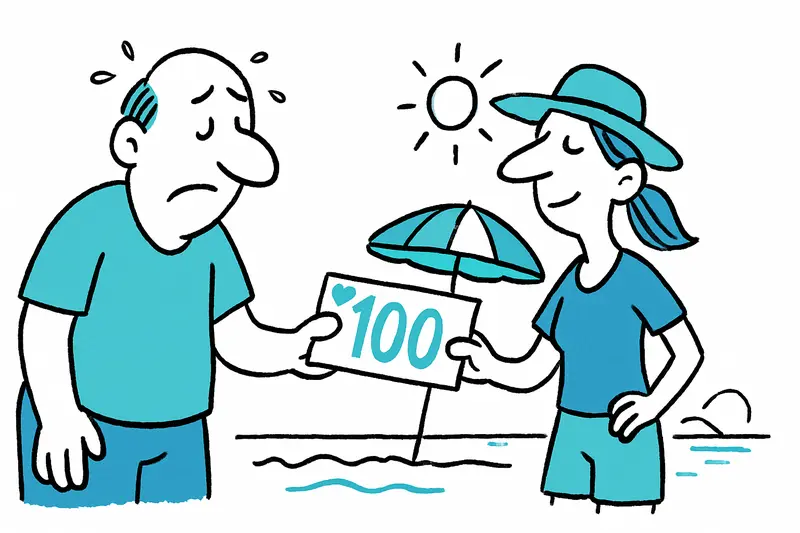
Heat Bonus in Mallorca: 100 Euros Extra for Outdoor Staff at MarSenses
MarSenses pays employees who worked outdoors in August an extra €100 as recognition. Lighter uniforms, reduced hours for...
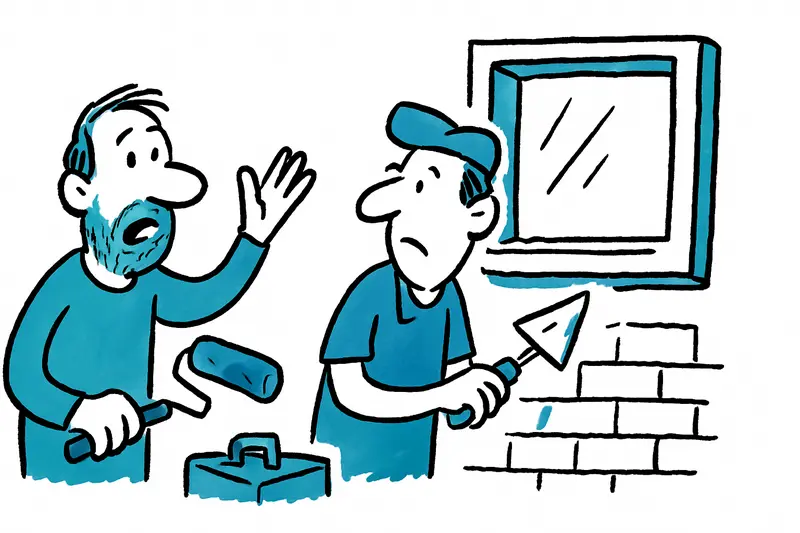
Renovating in Mallorca: What You Really Can Do Without Neighbour Consent
Many think they can do whatever they want in their apartment. That's partly true — but only as long as structural elemen...
More to explore
Discover more interesting content

Can Cap de Bou

Townhouse Lleo 72
