
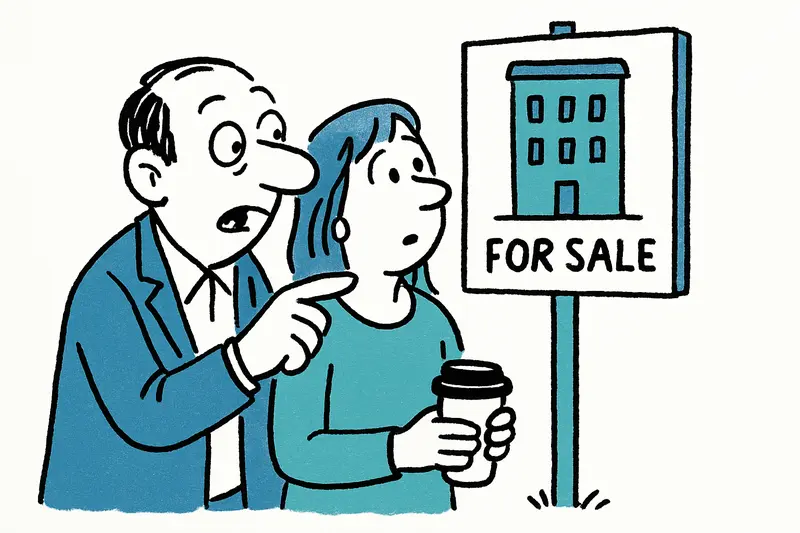
Palma builds 82 apartments — a drop in the bucket, many questions
The city council approves 82 new apartments in Son Canals and near Estadio Balear with capped rents. A step forward — but is it enough?
Palma builds 82 apartments — a drop in the bucket, many questions
In the early morning, when the scooters purr quietly along the Passeig del Born and the smell of freshly brewed coffee drifts from the bars, one thing is clear: housing remains a permanent issue in Palma. The city council's latest decision — 82 new apartments at two locations, around 40 of them with capped rents — sounds like progress. But the central question is: are such individual projects enough to ease the housing shortage sustainably?
What exactly was decided
The numbers are manageable and concrete: 82 housing units are to be built, spread across Son Canals and a site near the Estadio Balear. Almost half of the apartments will be offered at capped rents, specifically in a range of €650 to €1,100 per month. In addition, tenants are to be exempted from the municipal property tax. On paper this reads like a package that helps those who work in Palma but are priced out by the usual market rates.
Why the number alone explains nothing
Palma has set itself the ambitious goal of creating around 2,000 affordable apartments. From that perspective, 82 units are a small puzzle piece — visible, but limited; similar questions arose with recent projects such as 64 apartments in Son Güells. Crucial is where and how these apartments are built. Son Canals is still well connected in terms of transport; the site by the stadium offers advantages because of its proximity to infrastructure, but also the known downsides: it can get noisy on match days and parking remains tight.
On the ground you hear voices naming both sides. A long-term resident of Son Canals hopes for more family life and new shops. A young craftsman sees the reality of parking and the lack of daycare places — infrastructure problems that are often considered too late. That is a reminder: housing construction without childcare, schools and traffic concepts remains incomplete; similar concerns were reported during construction in Son Güells.
What is often missing from the debate
It is not just numbers and locations. Three aspects are frequently overlooked in public discussion:
1) Long-term commitment: Capped rents are good, but how long do the rent caps apply? Without long-term commitments there is a risk that apartments will return to the open market after a few years.
2) Operation and maintenance: Who manages the apartments, who covers the ongoing costs? If maintenance is neglected, quality declines — and so does attractiveness for lower-income households.
3) Social mix vs. segregation: Will the new units be integrated into existing neighborhoods or will small islands of social concentration emerge? Both have consequences for communities.
Concrete proposals — how Palma can achieve more impact
If the city wants to get more out of such projects, practical additions are available:
• Long-term rent commitment — contractual arrangements (e.g., 30 years) prevent a quick return to the market.
• Non-profit management — a municipal housing company or cooperatives could secure lasting social goals and plan maintenance.
• Combined infrastructure planning — childcare centers, green spaces, parking and public transport connections must be planned in parallel, not added afterward.
• Activation of public land — instead of pushing development further to the outskirts, municipal plots or conversions could provide usable housing faster and cheaper; the broader debate over plans for 3,500 apartments illustrates the trade-offs involved.
• Evaluation and transparency mechanisms — clear metrics on occupancy duration, actual rents and social impact help decide what should be scaled up.
Outlook
Construction start and completion dates have not yet been set; the project now requires tenders, building permits and months of administrative work. This time should be used to negotiate the mentioned additions — not as annoying afterthoughts, but as conditions for ensuring that 82 apartments are more than a drop in the bucket.
Conclusion: The 82 apartments are a step in the right direction, but not a self-runner. If Palma truly wants to systematically create affordable housing, it needs binding rent periods, professional management, accompanying infrastructure and more boldness in using municipal land. Otherwise much will remain political gesture and too little tangible relief for the people who drink their morning coffee on the Plaça de Cort and hope they do not lose their rent.
Frequently asked questions
Is Palma building enough affordable housing to make a real difference?
What kind of rent levels are planned for the new Palma apartments?
Where will the new apartments in Palma be built?
How long will Palma’s new affordable apartments stay rent-controlled?
What infrastructure does Palma need around new housing projects?
Are apartments near Estadio Balear a good place to live in Palma?
What makes Son Canals interesting for new housing in Palma?
When will construction start on the new Palma apartments?
Similar News

Masked Images, Real Panic: When Social Media Aesthetics Alarm Neighbors
Five German content creators filmed on a recently vacated detention site using deceptively realistic props. The result: ...
Why the Striped Breams in Cala Pí Should Be a Wake-up Call
Once again bathers in Cala Pí were surrounded while swimming by small, nippy fish — some wounds bled. Time for clear rul...

Daily from New York: How Palma's Air Traffic Is Growing — and What Must Change
United will increase the Newark–Palma service to daily flights in 2027 (Boeing, 231 seats). Strong tourist numbers clash...

When Love Ends in Shards: Destruction in Son Vida and the Questions That Remain
In Son Vida a relationship dispute escalated: a woman destroyed furniture in a luxury villa, later pressed a panic butto...
Who Bears the Burden? Mallorca Between Tenant Protection and Landlord Fears
Madrid's new housing decrees strengthen tenant rights — but on Mallorca concern is growing: will the law drive small lan...
More to explore
Discover more interesting content

Can Cap de Bou

Townhouse Lleo 72
