
Palma coastal path ages without trees: residents demand clarification
Palma coastal path ages without trees: residents demand clarification
In the Es Portitxol seaside quarter, numerous street trees along the bike and footpath have suddenly gone missing. Neighbors have shared photos documenting the gaps. Who decided this and why remains unclear. Time for transparent review and practical solutions.
Palma coastal path ages without trees: residents demand clarification
Who removed the trees — and for what reason?
In the morning, when joggers do their rounds and fishermen check their nets at Es Portitxol, bare spots now catch the eye where tree canopies once provided shade. Residents have shared images on Instagram that make it clear: several ficus trees along the bike and footpath have disappeared. The question that has been circulating since then is short and urgent: who decided this and for what reason?
Short-notice tree removals are not new in Palma, as documented in When Palma's Trees Fall Silent: Felled Pines and Lost Trust, but the location makes the issue particularly visible. The coastal strip is a favorite part of the city: a narrow promenade, scattered benches with salt streaks, children balancing on the curb, and seagulls crying at low tide. In this everyday scene the loss of greenery is immediately noticeable — and anger grows because no one has officially explained what exactly happened.
Critical analysis: lack of transparency and missing impact assessment
Decisions about urban greenery are often divided: city hall and the port authority share responsibilities, and permits can be complicated, as highlighted by recent waterfront projects such as Paseo Marítimo: More boulevard, more questions — will Palma make the new waterfront part of everyday life?. That is exactly the problem: when responsibility is spread across several bodies, political and technical accountability quickly disappears from view. On site there is currently no publicly accessible inventory: which trees were sick, which truly had to go, and which measures were considered beforehand? Without such information every action appears arbitrary.
The ecological consequences are easy to describe: less shade means greater heating of the ground and the promenade in summer, less evaporative cooling, and less habitat for birds and insects. For residents this increases subjective strain: benches become sunnier, walks in July more unpleasant. These practical effects have so far been insufficiently considered in the public debate.
What is missing from the debate
Three things are missing: first, clear, easily retrievable information about the reasons for the decisions; second, independent tree assessments that are made public before a felling; third, a plan for immediate reforestation or at least temporary shade solutions. Citizen participation often remains a buzzword rather than practice: a short notice or a digital message explaining why trees were removed would calm many people.
Everyday scene from Es Portitxol
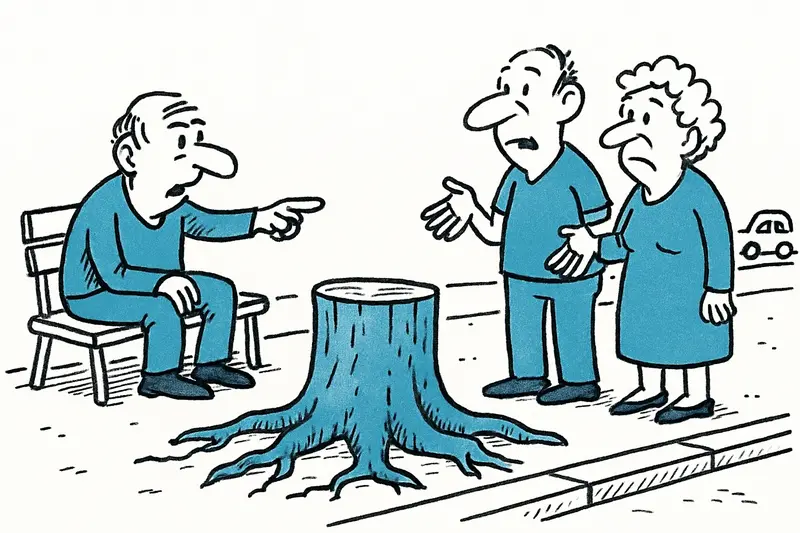
A Friday noon: cafés fill the promenade, an elderly man sits on the bench next to where three trees were missing and points to the bare roots. Children swing in the breeze, which stays on their skin longer than before. A cyclist brakes, looks, shrugs and says, "It's a pity, that was a nice shaded spot." This is the small, concrete unease that results from the removed line of trees.
Concrete proposals — what to do now
1) Immediate duty to inform: City hall and the port authority should jointly publish a short, publicly accessible file: what work was carried out, who approved it, which reports were available. 2) Independent tree inspection: An external assessment by certified arborists would establish the facts; such reports must be comprehensible. 3) Interim measures: mobile sun sails, additional covered seating or quickly planted young trees would bridge the time until larger replantings take root. 4) Long-term master plan: a municipal tree register and binding reforestation rules for coastal zones would prevent bare gaps from remaining for months after felling (see Playa de Palma and Bellver Redevelopment: Shade, Paths — and Many Questions). 5) Local participation: a simple procedure in which neighborhood associations are informed and heard would reduce later conflicts.
Conclusion
The problem is less the individual felling than the procedure: when residents wake up to find greenery gone overnight or without explanation, mistrust arises. A short, clear response from the responsible bodies and a pragmatic timetable for replacement plantings would calm many concerns. Otherwise the promenade will remain poorer — and louder in summer.
Frequently asked questions
Why were the trees removed from the Es Portitxol promenade in Palma?
Does removing trees along Palma’s seafront make the promenade hotter in summer?
Who is responsible for trees on Palma’s coastal paths, the city or the port authority?
What should Mallorca residents expect after trees are cut down on a promenade?
Is Es Portitxol in Palma still a good place to walk or cycle after the tree removals?
What kind of information should Palma publish after removing street trees?
Can young trees or temporary shade help after felling trees on Mallorca’s waterfront?
Why do residents in Palma react strongly when trees disappear from the promenade?
Similar News
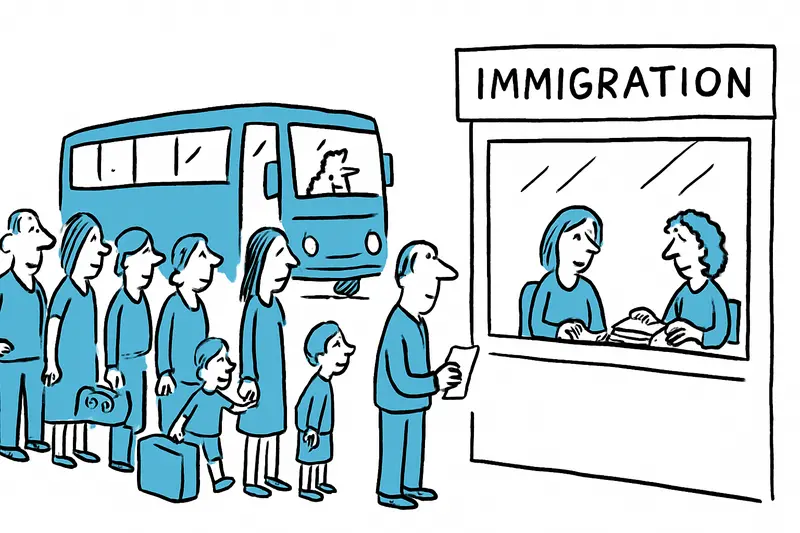
Are the Balearic Islands the Southern Border of Europe? A Reality Check on Immigration
The Balearic Islands are again calling for EU aid after a sharp rise in arrivals by sea. Conflicting priorities between ...

"Expensive chaos" and many open questions: What clients can do when a lawyer suddenly stops responding
Several clients complain that a well-known German lawyer in Mallorca has been unreachable for months. Key question: What...

TV tip: 'The Last Problem' — Mallorca as the setting of a classic crime
A classic whodunit on Mallorca: A new miniseries set in spring 1959 brings storm, an isolated hotel and a dense web of s...
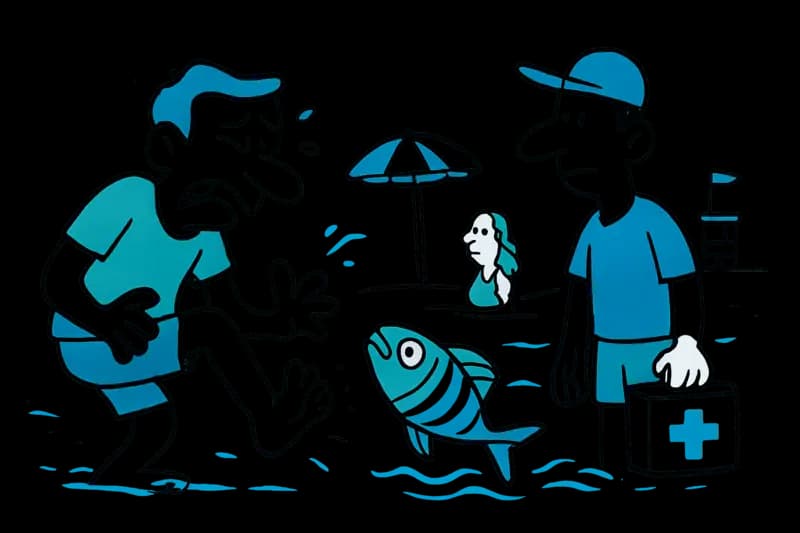
Nipping Sea Creatures: Why Bathers in Cala Major and Elsewhere Should Be Cautious
In Cala Major, bathers have reported being nipped by small fish. What is behind it, how can problems be avoided — and wh...
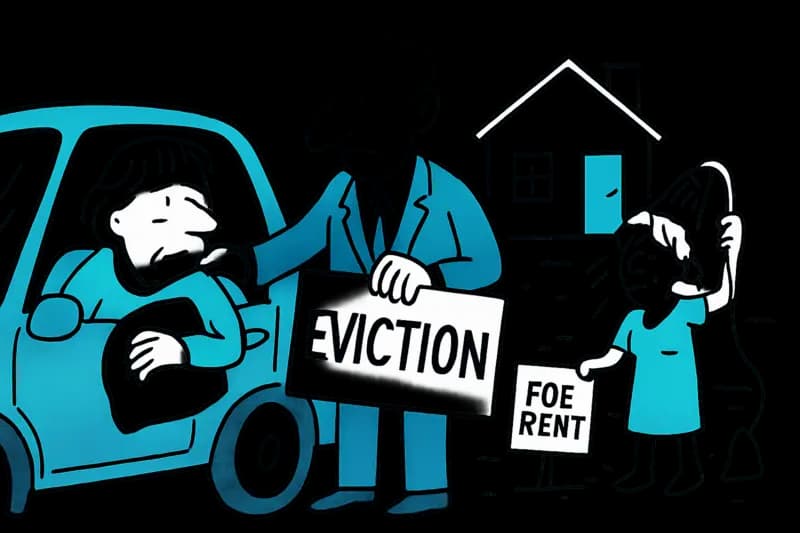
Forced eviction in Santa Catalina: When a 65-year-old slept in her car and showered on the beach — a question of responsibility
The story of Pilar López from Santa Catalina represents a problem affecting many Mallorcans: How can an island with a bo...
More to explore
Discover more interesting content

Can Cap de Bou

Townhouse Lleo 72
