
Port of Palma Under Pressure: New Harbor Fees Threaten 500 Jobs and the Harbor's Identity
Operators of small excursion boats in Palma warn of dramatic increases in port fees: up to 1,500 percent more, plus €2 per passenger — 500 jobs are at risk. Entrepreneurs are now demanding transparency and negotiations.
Port of Palma under pressure – can the small operators survive?
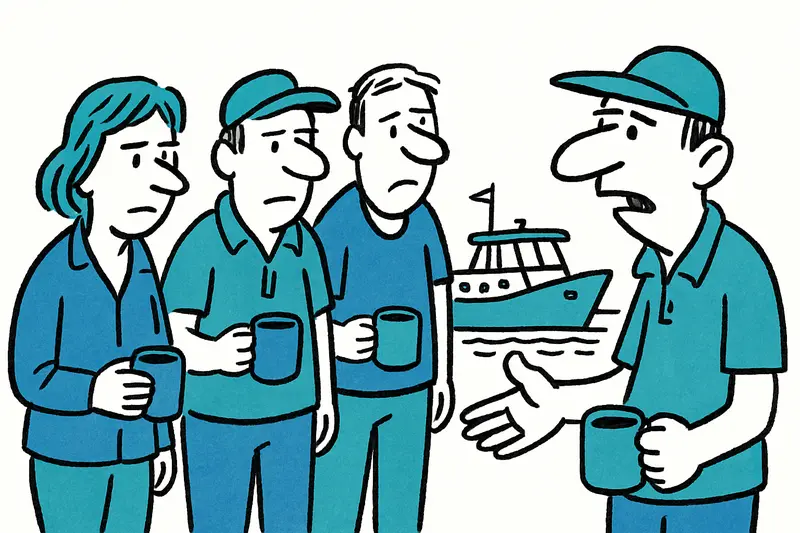
On the Paseo Marítimo the smell of fresh coffee lingered, seagulls circled over the Muelle viejo and a dozen boat operators stood close together: not to admire the sea, but to compare invoices. The planned increase in harbor fees threatens to turn the familiar backdrop into a new zone of conflict.
The numbers shaking the scene
Until now, excursion boats in Palma paid around €27,000 per year for a berth. According to the port authority's plans, this could soon be almost €178,000 — a jump that, for some items, is stated to be up to 1,500 percent. On top of that, there is the idea of an additional charge of €2 per passenger.
For operators of the golondrinas and small family businesses this is not just a number on paper. "We are not a cruise line with deep pockets," says one owner who does not want his name in the paper. Many of the affected employees are seasonal: skippers, service staff, ticket sellers. The boat operators estimate that up to 500 jobs are acutely at risk.
What is often missing in the public debate
The official justification is: revenue for infrastructure, safety and environmental protection. This point has been linked to broader port investment discussions such as €525 Million for Balearic Ports.
Which costs are being covered specifically? Why does the adjustment hit small operators predominantly and not large lines? And: have one-off increases or a fair scaling been considered?
One often overlooked point is the local value chain. If small tours disappear, not only do captains earn less, but cafes, kiosks on the quay, suppliers of life jackets and even taxi drivers feel the effect. The harbor identity that has belonged to Palma for decades is economically and culturally intertwined.
Concrete risks – and why it is not only about prices
Invoices some companies have already calculated: either they must raise ticket prices significantly — which deters tourists — or the offer will be reduced. Fewer departures, shortened seasons, fewer spontaneous short trips along the bay. Regular guests and locals would notice this: the quay loses its life.
Another aspect: small entrepreneurs have little bargaining power. If fees rise across the board, it increases market barriers and can lead to concentration — in favour of large providers with diversified revenues; observers point to recent developments such as Fleet shift in Palma harbor: Baleària expands by 15 ships — opportunities and risks for Mallorca as an example of that dynamic.
Demands, lines of negotiation and possible solutions
The boat operators demand transparency: disclosure of the calculation basis, a comprehensible cost breakdown and a phased introduction so that businesses can plan. Unions and local business associations have announced support; first talks with the port authority have been promised but concrete dates are missing.
Practical proposals that could ease the conflict include, among others:
Phased introduction of tariff changes over several years to avoid liquidity bottlenecks.
Tiered fees based on company size or passenger volume, instead of a flat maximum fee.
Exemptions for traditional providers that ensure tourist diversity and local identity.
Transparent cost statements and public hearings so citizens and businesses can understand the necessity.
Pilot projects for a passenger charge, combined with clear earmarking for environmental measures.
What this means for visitors and Palma
For holidaymakers, the consequences could be higher prices and a smaller offering. For the city, however, more is at stake: a piece of everyday life by the water that many locals cherish. On a windless morning at the Muelle viejo an abandoned quay sounds different — fewer voices, less laughter, more silence. This is not only sentimental memory but economic reality.
The guiding question remains: does Palma want to maximize revenue — or preserve a harbor that lives from small entrepreneurs, seasonal workers and everyday experiences? A fair compromise is possible if authorities provide transparent data and opt for staged, socially acceptable solutions. Otherwise we risk soon losing more than just boats from the cityscape.
At the end of the day, as the sun sank lower over the bay and the voices on the quay grew quieter, hope remained — and the demand for talks that do not take place behind closed doors. A neighborhood that lives from the sea should be given its chances, not stripped of its right to exist.
Frequently asked questions
Why are harbor fees in Palma causing so much concern?
How could the new port fees affect boat trips in Mallorca?
Could the harbor fee changes in Palma affect jobs?
What do small boat operators in Palma want from the port authority?
What is the Paseo Marítimo in Palma like for local businesses?
What would a passenger charge in Palma mean for visitors?
Is there a risk that Palma’s harbor becomes dominated by larger companies?
What would changing Palma’s harbor fees mean for the city’s waterfront identity?
Similar News

Masked Images, Real Panic: When Social Media Aesthetics Alarm Neighbors
Five German content creators filmed on a recently vacated detention site using deceptively realistic props. The result: ...
Why the Striped Breams in Cala Pí Should Be a Wake-up Call
Once again bathers in Cala Pí were surrounded while swimming by small, nippy fish — some wounds bled. Time for clear rul...

Daily from New York: How Palma's Air Traffic Is Growing — and What Must Change
United will increase the Newark–Palma service to daily flights in 2027 (Boeing, 231 seats). Strong tourist numbers clash...

When Love Ends in Shards: Destruction in Son Vida and the Questions That Remain
In Son Vida a relationship dispute escalated: a woman destroyed furniture in a luxury villa, later pressed a panic butto...

Who Bears the Burden? Mallorca Between Tenant Protection and Landlord Fears
Madrid's new housing decrees strengthen tenant rights — but on Mallorca concern is growing: will the law drive small lan...
More to explore
Discover more interesting content

Can Cap de Bou

Townhouse Lleo 72
