
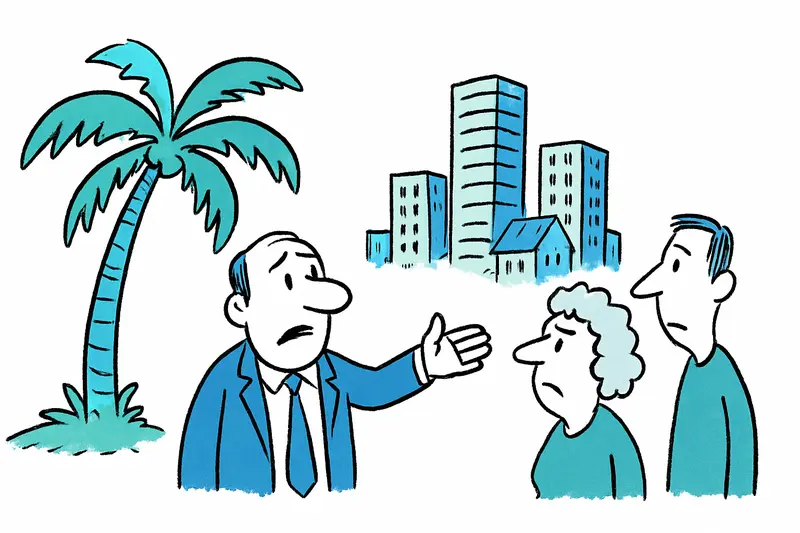
Palma is growing — but for whom?
The city has gained around 94,000 inhabitants since 2005, has become more international and noticeably older. What does that mean in concrete terms for urban planning, housing and neighbourhoods?
Palma is growing — but for whom?
Key question: Can Palma hold this new size together socially and spatially?
On a cool January morning at the Mercat de l'Olivar, vendors straighten their fruit crates, retirees sit on the bench in front of the church and listen to the traffic on the Passeig Marítim. Same streets, more people: as of 1 January 2025, just under 484,000 people were registered in Palma — about 94,000 more than in 2005, even though the city's area has hardly grown (Population boom in the Balearic Islands: What does it mean for Mallorca?). Three out of ten residents were born abroad, and the average age has risen in recent years from about 38 (2010) to almost 43 (2024). These are hard facts with tangible, human consequences.
The neighbourhoods Pere Garau, Son Gotleu and Son Ferriol are experiencing the strongest increases. You can see it in construction sites, in new names on doorbells, in fuller buses. At the same time, some squares are quieter because there are fewer children on playgrounds and more older people occupying benches. This is not a vague observation; it is demography you can feel at every turn. This pattern sits alongside reporting on Palma in Transition: Where Incomes Soar — and Who Still Owns the City, which highlights rising incomes in other parts of the city.
Critical analysis: growth + ageing = greater demand for housing, mobility and healthcare. A larger, older and more diverse population requires different types of housing, barrier-free routes, more general practitioners and meeting places that overcome language barriers. But if land is scarce and neighbourhoods are already densely built, the question remains: how do you distribute these burdens fairly? This question is sharpened by plans for new housing such as Palma plans 3,600 homes — Opportunities, risks and the big question of infrastructure.
What is often missing from the public discourse are concrete numbers on the housing situation of newcomers, data on tenancy relationships and vacancies, and answers to how many young families leave the city because they cannot find affordable housing. Integration also needs more than statistics: where do people with new origins meet to make contacts? Where do children learn Spanish or Mallorquí (Mallorcan Catalan) without everyday life becoming inaccessible to parents?
Everyday scene: In Son Gotleu, men of different backgrounds eat bocadillos folded in newspaper in front of a shop. A caregiver pushes a walker along Calle Manacor; a crane lifts a concrete slab, and on the corner a boy plays with a ball on the narrow pavement. These images sit side by side and show how fragmented the needs are.
Concrete proposals, without miracle formulas: First, a short-term trial pathway for converting vacant commercial premises into housing with clear time horizons — fast and with simplified permits. Second, targeted investments in general practitioner practices and mobile health services in neighbourhoods with high ageing. Third, neighbourhood centres offering language and integration services, operated in cooperation with municipalities, associations and neighbourhood groups. Fourth, a municipal support programme for intergenerational housing: renovation grants so that older people can remain in their quarters and young households can move in.
In planning terms, Palma must be more open about land use: more mixed uses along main axes, infill where infrastructure exists, instead of building on green outer areas, as neighbouring towns expand (Mallorca's new residential axis: Villages grow, Palma keeps moving). Mobility must not be thought of only from the perspective of cars; shorter distances for older people, safer bike routes for young people, reliable bus lines even late at night.
From a fiscal policy perspective, a greater focus on tax incentives for affordable housing would be more sensible than pure bans. Those who build or renovate in the densest neighbourhoods should be obliged to provide a share of affordable units — coupled with sanctions for speculative vacancies.
In short: Palma is in a phase of upheaval. Growth is not automatically bad, but growth without coordinated policy creates tensions: between long-time residents and newcomers, between generations, between space and demand. The city administration, neighbourhoods and businesses must work together on solutions that have visible effects in everyday life — not only in strategic plans.
Conclusion: The numbers — almost half a million people, one third born abroad, average age nearly 43 — are a wake-up call. If you want to keep the city liveable, you must act now: pragmatically, locally anchored and with a sense of the different realities of life in Palma.
Frequently asked questions
Why is Palma growing so quickly?
How is Palma’s ageing population affecting everyday life?
Which Palma neighbourhoods are growing the most?
Is Palma becoming harder to find affordable housing in?
What kind of housing solutions does Palma need now?
How should Mallorca’s public transport adapt to Palma’s growth?
What support do newcomers need to settle in Palma?
Can Palma keep growing without losing its liveability?
Similar News
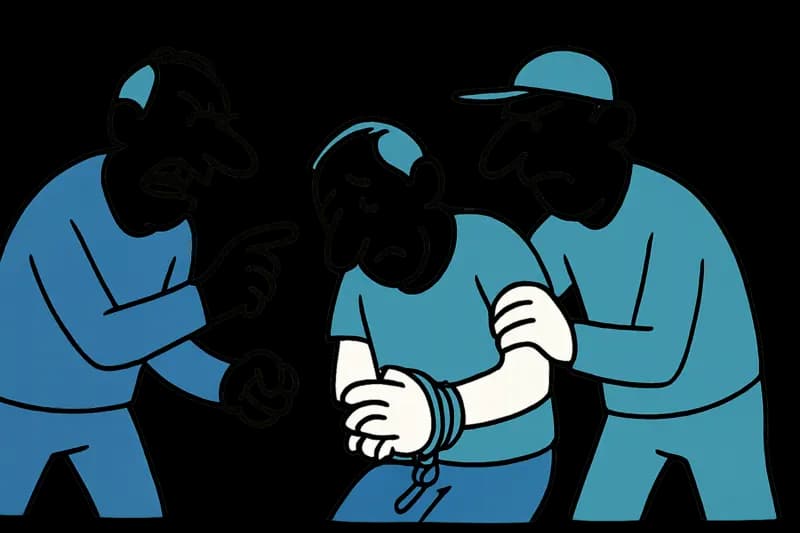
Mistaken identity with fatal consequences: Brutal assault in S'Aranjassa — what's missing in the follow-up?
At S'Aranjassa a visitor to a finca was tied up, beaten and thrown out of a van. Three men have been arrested, including...
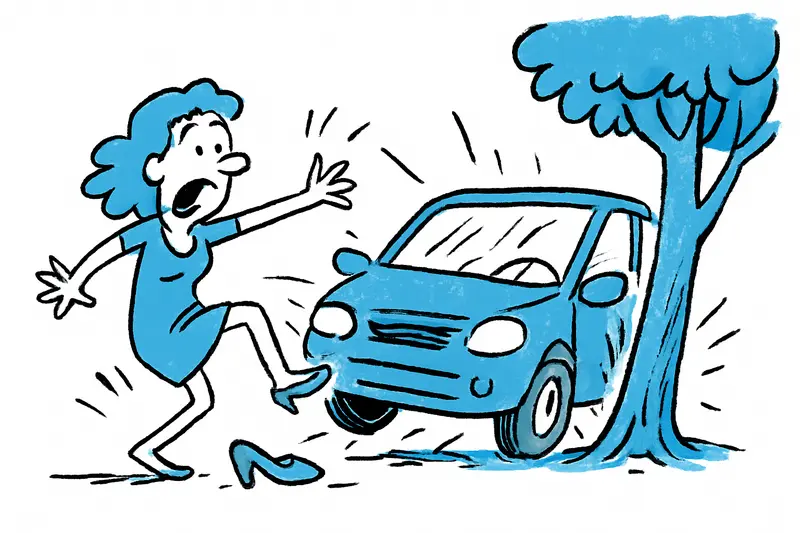
High heel slips, car accelerates: accident on Camí de Son Hugo
A woman lost a high-heeled shoe on the forecourt of the sports facility at Camí de Son Hugo. The car accelerated, mounte...

Phone Scam: How Two Hotel Employees at Playa de Palma Lost Thousands of Euros
One morning in September, two reception employees at Playa de Palma were pressured by alleged alarm-company staff — in t...

When the Wallet Becomes a Danger: Attack in Peguera and Lessons for Mallorca
In Peguera, two women are said to have stolen the wallet from a 75-year-old German couple. When the victim intervened, t...
Plata stays Plata: Young people take over, Llonguets remain
A small bar on Carrer de l'Argenteria will continue: Tolo Serra hands the place over to young Mallorcans at the end of t...
More to explore
Discover more interesting content

Can Cap de Bou

Townhouse Lleo 72
