
Mallorca's new residential axis: Villages grow, Palma keeps moving
Marratxí, Consell and small municipalities like Mancor are growing rapidly. The island is shifting housing outward - but who manages the consequences? A look at causes, problems and possible solutions.
Where is the island heading? Mallorca's new residential axis
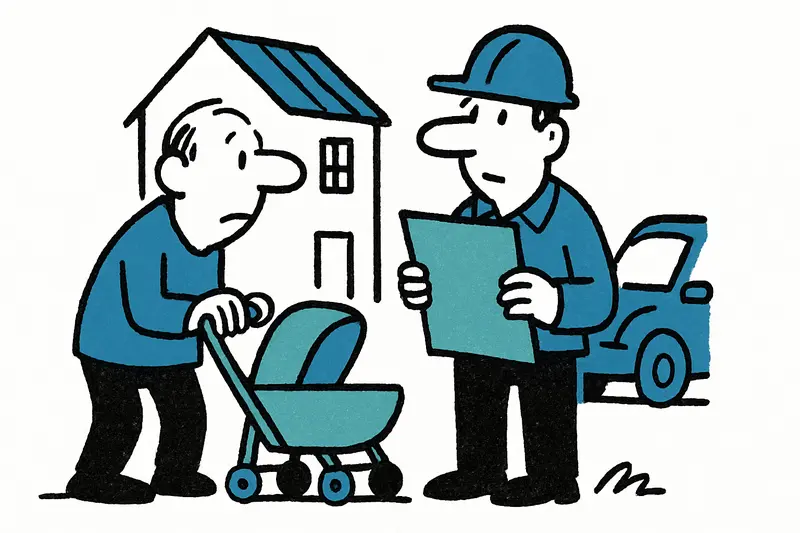
If you head for the kiosk on the Plaça in Inca at half past seven in the morning, you are met by a small soundscape of pram wheels, the smell of coffee and the clatter of car doors with licence plates from all over. The picture does not deceive: on Mallorca the residential axis is moving outward. Palma continues to grow – but more slowly. Villages like Marratxí or Consell are racing ahead, some small municipalities report double-digit percentage increases while the city only trails behind sluggishly. The central question is: Can the island manage this growth without sacrificing landscape, infrastructure and social cohesion? Recent reporting highlights this shift: 40 of 53 municipalities in Mallorca are growing faster than Palma.
Which places are attracting people?
It is not the alpine pastures or remote hamlets leading the trend, but suburbs and traditional villages with good connections. Marratxí now has significantly more inhabitants than a quarter of a century ago. Places like Mancor de la Vall, Sencelles and Binissalem have recently recorded strong increases. This leaves visible traces: new terraced houses on the slopes, more commuter traffic towards Palma, and on sunny market days longer queues at the bakery.
Why are people moving out?
The reasons are well known, but the interaction is decisive: high rents and scarce housing in Palma, the desire for a garden and space after the lockdowns, and improved mobility – whether by car or the commuter rail line from Inca to Palma. The overall population increase is discussed in How many residents can Mallorca sustain? Growth, pressure and ways out of overcrowding. Added to this is the search for affordable family housing; those who used to live in an old flat now prefer to buy a terraced house with a terrace. This changes daily rhythms: children now run on village squares, buses are fuller in the evenings, and bakeries adjust their opening hours.
The downsides that are rarely talked about
Growth is not automatically good. In many places arable land is lost, local resources are strained, and infrastructure lags behind. Mobile phones report congested data traffic in the evenings because new households stream and work at the same time. Water scarcity is a perennial issue on Mallorca that gains importance as the population grows. Small municipalities can be financially overwhelmed: more roads, more waste, more school classes – but not always the increased tax revenues on the scale that would be needed.
There are also losers: municipalities like Escorca continue to shrink. Young people are missing there, infrastructure is poor, and some communal facilities have disappeared. The island therefore does not grow evenly; it polarises.
What the public debate misses
In many conversations at the market or on the Plaça people mainly talk about prices and traffic. Less attention is paid to the question of long-term land use: who owns the land? How do zoning plans affect agriculture and water supply? The social mix also falls out of view – if new village centres mainly consist of single-family homes for higher earners, villages lose their diversity. A demographic reality check can be found in Who Shapes Mallorca's Streets? A Reality Check on Island Demographics. And a frequently underestimated point: the burden on nature when sprawl occurs instead of compact development.
Concrete options for sustainable development
There is no simple answer, but there are measures that could help. Policy proposals are summarised in When Mallorca Grows: Strategies for an Island in Transition. First: targeted promotion of affordable housing in Palma so that everything is not pushed outward. Second: binding land-use plans for the island that protect agricultural buffer zones and green corridors. Third: expansion of local public transport and increased frequency on commuter lines – this reduces private car traffic. Fourth: municipal instruments such as Community Land Trusts or price controls for new buildings to curb speculation. And fifth: mobile healthcare and education services for shrinking municipalities like Escorca, plus subsidies for young families who want to settle there.
A real everyday life, not theory
If you read this, you know the scenes: a new playground visited by children from several villages; the bus line that is overcrowded after 5 pm; the discussions in the town hall about road expansion versus landscape protection. There's a bit of irony when the neighbour who once tended orchards now tells customers at the bakery that her field is a construction pit. Mallorca is lively, and that's wonderful. But out of love for the island we should ask how we can guide growth, not just accept what happens.
In the end the challenge remains: how can the right to affordable housing be reconciled with the protection of landscape and tradition? If the island administration, municipalities, citizens and planners do not tackle this together, a development threatens in which everyone may gain and yet much is lost.
Frequently asked questions
Why are so many people moving from Palma to Mallorca's villages?
Which parts of Mallorca are growing fastest right now?
What problems can come with rapid growth in Mallorca's towns and villages?
Is Mallorca facing a water shortage because of more residents?
Why is Marratxí growing so much in Mallorca?
What is happening in Escorca as Mallorca grows elsewhere?
How can Mallorca grow without losing farmland and open landscape?
What should families consider before moving to a village in Mallorca?
Similar News

Near-miss on Lanzarote: Landing Ryanair Jet and Iberia Takeoff — what really went wrong
On Lanzarote there was a dangerous incident: A Ryanair flight (FR5910) from Dublin landed on runway 03 while an Iberia E...

Eurowings introduces new Premium Business seats on Mallorca routes
From December 1, selected Eurowings flights to Palma and other destinations will feature eight particularly generous sea...

Car on MA-13 near Inca in flames – a safety check for the island
A vehicle caught fire on the MA-13 towards Alcúdia on Tuesday afternoon. The driver was uninjured, the car was destroyed...

Real Estate in Mallorca: Fewer Buyers, Higher Prices — What's Behind It?
Sales on Mallorca are falling, yet prices continue to climb. Why fewer transactions do not equal relief — and what shoul...
Just Bought — Already Trouble: Water Damage in the Heiters' Villa and What Owners in Mallorca Should Know Now
A newly purchased sea-view property — and within days a water damage. What risks lurk in new properties in Mallorca, and...
More to explore
Discover more interesting content

Can Cap de Bou

Townhouse Lleo 72
