
Palma starts Es Carnatge: €2.2 million for the first phase — is it enough?
Palma is investing €2.2 million in the first construction phase of Es Carnatge. Attractive paths and less lighting — but is the budget sufficient for sustainable coastal protection and long-term maintenance?
Palma kicks off — but is the plan enough for Es Carnatge?
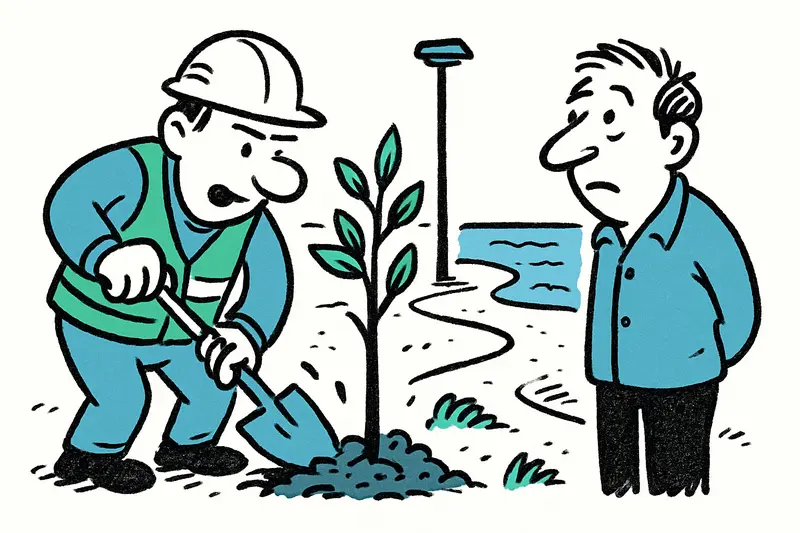
In the early morning, when the salty wind still carries the scent of orange blossom and the footsteps of dog owners along the shore of Portixol echo through the damp sand, you can already see the first changes in Es Carnatge with the naked eye: technicians are laying cables, individual streetlights glow in a new design. The city has announced €2.2 million for the first phase of the coastal redevelopment, with a total of €4.4 million planned, as reported in Palma launches Es Carnatge: €2.2M for first phase – is that enough?. The central question remains: does the project Es Carnatge make the area more sustainable — or is it just a pretty surface?
What is planned and what remains open
The measures sound sensible: paths will be renewed, lighting will be more targeted and energy-efficient, invasive plants pushed back and native species planted. On paper, this means less erosion, more habitat for birds and insects, and more comfortable walks even after rain. But the details matter. Which paths will be built at what width and with which surface? How much of the budget is reserved for long-term maintenance? And: who will check that the new saplings actually take root — in an area where the wind is salty and the summers dry? These practical questions are examined in Es Carnatge: Millions for paths and lighting — is that enough for real nature conservation?.
What is often neglected: maintenance, time and monitoring
A common problem with municipal green projects is underfunding in the following years. It looks good when the first shrubs are planted in spring and the new lamps emit warm light. One to two years later, however, without regular care, young plants can wither or be overgrown again by invasive species. That is why it would be important for Palma to state transparently now: which funds are reserved for irrigation, pruning and pest control? Another point: monitoring. Instead of delivering a status report after five years, a simple, publicly accessible monitoring system could help — bird counts, a planting inventory log, a measurement of soil stability.
Concrete opportunities — and practical proposals
Funds from parts of the tourism levy are a chance to improve everyday life on the coast. To ensure the project becomes not only attractive but resilient, local experts and engaged citizens propose some pragmatic measures: use of regionally adapted, drought-resistant plants; planting times outside bird breeding seasons; lower color temperatures (warm white to amber, around 2200–2700 K) for lighting so migratory birds and nocturnal insects are less disturbed; and permeable surfacing on paths that allows rainwater to soak away. Local coverage, including Nuevo intento para Es Carnatge: ¿millones para caminos, iluminación y verdadera conservación?, highlights these concerns.
Equally important: a clear maintenance plan with an annual budget line and a small citizen platform where volunteers can coordinate planting actions. That connects the neighbourhood to the place — and saves municipal funds in the long run. Why not involve local schools in monitoring activities? Children can count birds, learn about ecology and feel connected to their stretch of coast.
Noise, detours and everyday life
For residents, the construction site in the coming months will mean occasional detours, drilling noise in the mornings and gravel on provisional paths. These are familiar side effects for which the city announces short, clearly communicated phases. A walker from Portixol put it bluntly: “The main thing is that after rain it no longer becomes a muddy track.” The need for everyday practicality is great — and must be prioritised in the planning.
More than a beautification: a test of Palma’s future resilience
Es Carnatge is not a prominent bathing spot, but a stretch of urban coast that Mallorcans use daily: for the morning run, the walk after shopping, the brief unwind after work. That is precisely what makes the project politically and ecologically relevant. If Palma turns the €2.2 million into a sustainable, maintainable solution, Es Carnatge could become a model for other coastal sections — especially in times of increasing weather extremes and coastal erosion.
Summary: The first phase is a good start, but what will be decisive is long-term maintenance, transparent monitoring and the involvement of the local population. Only then will a municipal makeover become a real gain for nature and the neighbourhood.
Tip for walkers: Pay attention to the signs on site and make use of local participation offers — the coast becomes more lively when we care for it together.
Frequently asked questions
What is changing at Es Carnatge in Palma?
Is the €2.2 million first phase enough for Es Carnatge in Mallorca?
Can you still walk through Es Carnatge during the works?
Why is Palma planting native species at Es Carnatge?
What kind of lighting is planned for Es Carnatge in Palma?
Why do people say maintenance matters more than the first phase at Es Carnatge?
How does the Es Carnatge project affect local residents in Palma?
Why is Es Carnatge important for Palma beyond being a nice walking area?
Similar News
Why the Striped Breams in Cala Pí Should Be a Wake-up Call
Once again bathers in Cala Pí were surrounded while swimming by small, nippy fish — some wounds bled. Time for clear rul...

Daily from New York: How Palma's Air Traffic Is Growing — and What Must Change
United will increase the Newark–Palma service to daily flights in 2027 (Boeing, 231 seats). Strong tourist numbers clash...

When Love Ends in Shards: Destruction in Son Vida and the Questions That Remain
In Son Vida a relationship dispute escalated: a woman destroyed furniture in a luxury villa, later pressed a panic butto...

Who Bears the Burden? Mallorca Between Tenant Protection and Landlord Fears
Madrid's new housing decrees strengthen tenant rights — but on Mallorca concern is growing: will the law drive small lan...

On the Edge: What Mallorca's Airport Loses If a Major Low-Cost Carrier Falters
The company that operates numerous connections from Palma to France and domestically is negotiating with creditors to re...
More to explore
Discover more interesting content

Can Cap de Bou

Townhouse Lleo 72
