
Palma or Palma de Mallorca? The name debate returns
Vox has submitted a proposal to officially call Palma "Palma de Mallorca" again. For many residents this is a symbolic debate — for the city hall it could mean bureaucratic effort. A look at background, costs and possible compromises.
Palma or Palma de Mallorca? The name debate returns
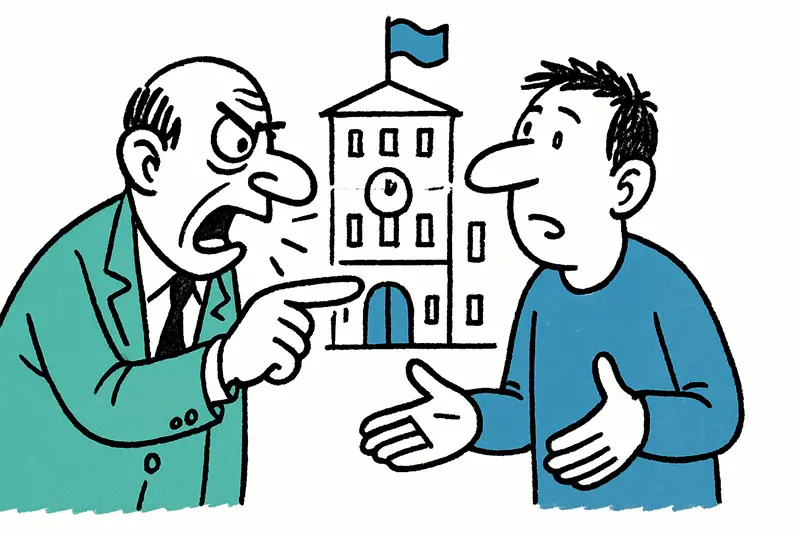
On Monday morning in front of the Plaça de Cort the world seemed as usual: seagulls screeching, delivery vans maneuvering, a woman with a shopping bag greeting without hurry. Still, a piece of politics sparked small fires: the right‑wing populist party Vox wants the town register to officially read "Palma de Mallorca" again instead of just "Palma." For travelers it may sound like a wordplay; for local politics it is a stress test, and Palma or Palma de Mallorca? The Name Dispute and What It Really Means provides further background.
What's behind the proposal?
The idea initially sounds simple and familiarly touristic: "Palma de Mallorca" is omnipresent in guidebooks and on postcards. Supporters see identity and recognisability in it. Critics, including historians and linguists, see more of a political signal. The original name was simply ‘Palma,’ says a city chronicler we reached briefly by phone. "The ‘de Mallorca’ was added more often later — less out of linguistic necessity, more from an administrative context."
The key question is therefore: Is this about practical clarity or symbolic politics? And what would it mean for the everyday life of the people who live here?
Everyday life versus symbolism
On Avinguda Jaume III, between cafés and boutiques, you hear calmness and mockery at the same time: "I don't care as long as the garbage collection is on time," says an older woman, while a young student adds: "If politics catches votes with this, that's problematic." Both answers sum up what many think: the discussion touches everyday life only peripherally — it is more a topic for debate shows and party platforms.
Concrete consequences for administration and citizen services
What is often overlooked: a name change is not a purely symbolic act. It's about signs at city entrances, forms, databases, tourism marketing, addresses on luggage tags and even passport and registration documents. City hall employees speak of "noticeable but manageable effort." Yet this effort comes at a time when staff is scarce and budgets are tight.
A practical example: emergency services, mail delivery and administrative software rely on standardized place names. Small changes can trigger chain reactions, for instance in automated systems or with external service providers. No one expects the end of the world, but rather a noticeable amount of small tasks — and that costs time and money.
Cultural and linguistic dimensions
The debate also touches questions of language and belonging. On Mallorca people speak Catalan, Spanish and many variants in between. For some, omitting or adding a "de Mallorca" is a cultural statement. For others it is purely pragmatic: what is written on the town sign does not change the reality of the neighborhood.
A well‑known local taxi driver laughs: "Tourists always say 'Palma de Mallorca' anyway. They're not trying to be politically correct." This little irony shows how far everyday language and political intent can diverge. Local coverage includes pieces such as ¿Palma o Palma de Mallorca? La disputa sobre el nombre y lo que realmente revela, which reflect these linguistic nuances.
What is rarely discussed?
Two points are often missing from the public debate: first, a transparent calculation of costs and second, a discussion about participation. Who pays for new street signs? Does every registrant at city hall have to reconfirm their address? It would be wise to answer such questions openly before symbolic resolutions are adopted.
Moreover, the regional level is often left out: what do the Balearic government and the statistics office think of a changed official name? Ad‑hoc decisions can lead to inconsistencies that are difficult to repair later.
Possible compromises and ways forward
A full stop with "everything stays as it is" is not the only option. Intermediate steps are conceivable: a citizens' consultation, a transparent cost estimate or a temporary trial arrangement in which both forms are used in parallel. A consensual proposal from cultural institutions and the business community — for example a joint campaign that presents "Palma" as the brand and "Palma de Mallorca" as a tourist addition — could also ease tensions.
Above all, it would be important to move the discussion from mere symbolism to a factual weighing of pros and cons. This includes clear figures, deadlines and the involvement of local stakeholders.
What happens next?
The proposal must be formally debated in the city council. Whether it will find a majority is open; observers expect protests, position papers and certainly loud discussions on social media and in cafés. For further reporting on the unfolding controversy and official responses, see Nueva polémica sobre el nombre oficial de Palma: ¿Regreso a 'Palma de Mallorca'?. For the people of Palma the question remains whether this debate improves their living environment — or whether it merely expends energy on what will ultimately be mostly wordplay.
Conclusion: The name debate is more than a linguistic detail. It is a test of how politics works here: will it rely on symbolism, or will it pursue costly steps that bring clear benefits? The streets of Palma keep humming — seagulls, delivery vans and conversations about everyday problems are louder than many political distinctions. Still: an orderly, transparent process would be the best way to ensure that in the end not only a name but also trust is renewed.
Frequently asked questions
Why is Palma de Mallorca being discussed again as the official name of Palma?
Does changing Palma’s official name affect residents in daily life?
How much does a city name change usually cost in Mallorca?
Why do some people in Mallorca prefer calling the city just Palma?
Is Palma de Mallorca still commonly used by tourists?
What would change in Palma if the official name became Palma de Mallorca again?
Who decides whether Palma keeps its current name or changes it?
Is there a compromise between Palma and Palma de Mallorca?
Similar News
First Day, First Consequences: What Palma's Rent Freeze Really Means
A new decree stops a planned eviction in Palma — but what really changes for tenants and landlords? A reality check with...
When Housing Becomes a Matter of Survival: Mallorca Between Rental Frenzy and Everyday Life
The case of 87-year-old Maricarmen showed that on Mallorca many people's lives are poised between affordable and uninhab...
Autumn in Mallorca: When Melancholy Gets a Window
Why autumn quietly tightens here — and how to make use of the mood: walks, culture, candles and the light from Palma to ...
Near-miss on Lanzarote: Landing Ryanair Jet and Iberia Takeoff — what really went wrong
On Lanzarote there was a dangerous incident: A Ryanair flight (FR5910) from Dublin landed on runway 03 while an Iberia E...
Eurowings introduces new Premium Business seats on Mallorca routes
From December 1, selected Eurowings flights to Palma and other destinations will feature eight particularly generous sea...
More to explore
Discover more interesting content

Can Cap de Bou

Townhouse Lleo 72
