
Palma: Nervousness in Pere Garau after series of car break-ins
Palma: Nervousness in Pere Garau after series of car break-ins
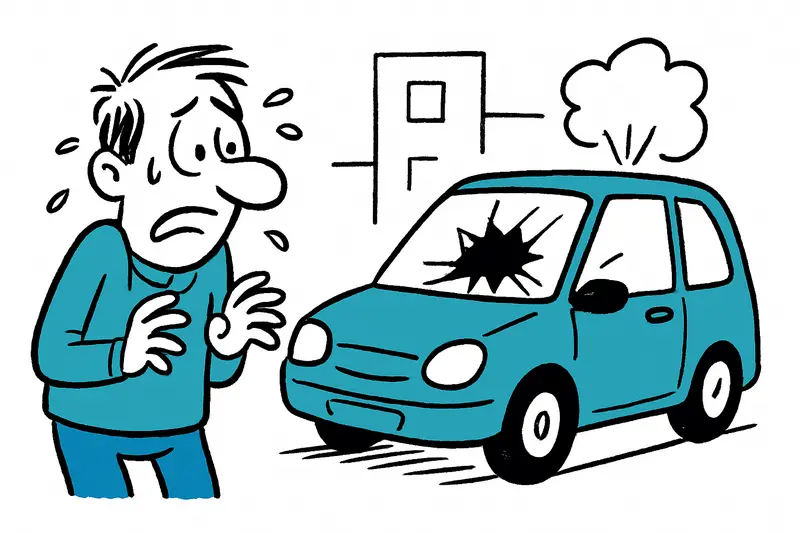
Residents in Pere Garau report multiple car break-ins, smashed windows and unease on Benito Pons, Joan Bauzá and Pi i Margall streets. The neighborhood is demanding visible measures.
Palma: Nervousness in Pere Garau after series of car break-ins
Why do residents suddenly no longer feel safe here?
In the early morning, when the garbage truck passes Calle Benito Pons and the bakeries at the Mercado de Pere Garau put out their first loaves, people on the corner no longer talk only about the weather or prices. For several days another topic has been omnipresent: cars with smashed windows on several streets of the neighborhood. The neighborhood association Flipau amb Pere Garau has repeatedly reported such incidents – among the affected streets are Benito Pons, Joan Bauzá and Pi i Margall. In one case a manhole cover is said to have even been used.
Guiding question: How can a lively, densely built neighborhood like Pere Garau protect itself from a wave of car break-ins without turning into a surveillance zone? This is a question residents, the municipality and the police must answer, and quickly, as debated after incidents such as Arrest after knife attack in Pere Garau: How safe is Palma's neighborhood?.
Critical analysis: At first glance the problem seems simple: smash windows, take wallets or tools. At second glance you see cascade effects. One incident unsettles neighbors, who then leave more valuables in their cars or park vehicles elsewhere. Insecure streets attract fewer customers to small shops and change the evening atmosphere. And: when reports appear only sporadically, it remains unclear whether this is a series by an organized group or opportunistic acts by individuals; local reporting on Palma on edge: Seven arrests after daytime burglary spree – what now? has raised similar questions.
What is missing from the public discussion: numbers and clarity. There are reports from the neighborhood, but published information on the scale, time windows and possible patterns is lacking. Without these data, calls for "more police" remain vague. Also rarely discussed is how urban infrastructure – lighting, parking design, fast reporting systems – affects thefts. Coverage such as Eight Break-ins in One Week: Arrest in Palma — and What's Still Missing underscores the need for clearer data.
An everyday scene: On the Plaça de Pere Garau an elderly man sits on the bench, his thermos beside him, pigeons pecking at crumbs. He points to Calle Pi i Margall: «Last week he smashed the window, two houses down», he says, without naming names. The neighbor's children now go into the apartment earlier because there is less activity on the street in the evenings. Small conversations like this show how quickly habits change.
Concrete, pragmatic solutions: 1) Targeted presence, not just drive-by patrols — short foot patrols at the offenders' typical entry times can be deterrent. 2) A local reporting portal for incidents, easy to use via WhatsApp or a municipal form, so patterns can be identified. 3) Improved lighting at known hotspots and an assessment of whether parking spaces can be designed so vehicles do not stand isolated. 4) Information campaign: neighborhood training on secure storage of tools, documents and bags; visible notices in parking garages and on lampposts. 5) Coordination between the Ayuntamiento and the police through regular situation reports — transparency builds trust.
Technical measures like cameras will remain controversial. In a densely inhabited neighborhood cameras restrict privacy and do not automatically lead to arrests. If they are used, clear rules must apply: limited storage times, transparent responsibilities and a priority for prevention rather than surveillance.
Why this matters: Pere Garau is a working and residential neighborhood with small shops, markets and many people who live their lives on the streets. If everyday life is replaced by fear, the neighborhood loses its social warmth. Solutions should aim to restore that warmth — not only through controls, but through neighborhood involvement and concrete, visible municipal steps.
Conclusion: Reports of car break-ins are a warning sign, not a reason to panic. But one thing is clear: inaction helps no one. Whoever walks along Calle Joan Bauzá the next evening should hear the familiar sound of children on bikes and shop shutters opening, not the clinking of glass. That requires more than outrage — it requires a comprehensible combination of presence, infrastructure and neighborhood work.
Frequently asked questions
Why are residents of Pere Garau in Palma worried about car break-ins?
What should I do if my car is broken into in Mallorca?
Are car break-ins more common in busy neighbourhoods like Pere Garau in Palma?
What can drivers do to reduce the risk of car theft in Mallorca?
Which streets in Pere Garau have been mentioned in the break-ins?
Could better street lighting help prevent car break-ins in Palma?
Is Pere Garau still a good area to live in Palma?
How can neighbours in Mallorca report repeated car break-ins more effectively?
Similar News

"Expensive chaos" and many open questions: What clients can do when a lawyer suddenly stops responding
Several clients complain that a well-known German lawyer in Mallorca has been unreachable for months. Key question: What...
TV tip: 'The Last Problem' — Mallorca as the setting of a classic crime
A classic whodunit on Mallorca: A new miniseries set in spring 1959 brings storm, an isolated hotel and a dense web of s...

Nipping Sea Creatures: Why Bathers in Cala Major and Elsewhere Should Be Cautious
In Cala Major, bathers have reported being nipped by small fish. What is behind it, how can problems be avoided — and wh...
Forced eviction in Santa Catalina: When a 65-year-old slept in her car and showered on the beach — a question of responsibility
The story of Pilar López from Santa Catalina represents a problem affecting many Mallorcans: How can an island with a bo...
New traffic rules from October 1: What Mallorca visitors and locals need to know
From October 1, 2026, Spain will implement far-reaching changes to traffic regulations. Important for Mallorca: greater ...
More to explore
Discover more interesting content

Can Cap de Bou

Townhouse Lleo 72
