
Chaos at the Roundabout: Truck Loses Glass Bottles on the MA-4040 near Artà
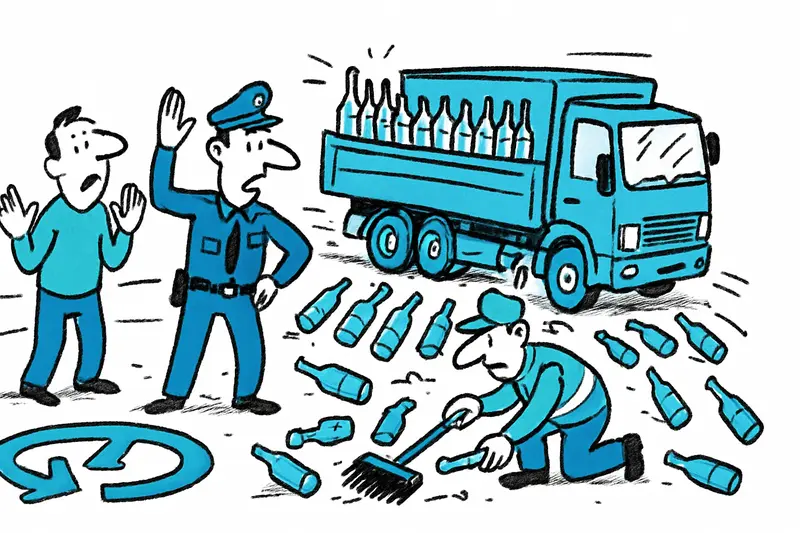
Morning traffic jam on the MA-4040: a truck lost hundreds of glass bottles of water. The Civil Guard and road crews cleared the debris — but the scene raises questions about load securing and handling of glass on Mallorca's roads.
Chaos at the Roundabout: Truck Loses Glass Bottles on the MA-4040 near Artà
Key question: How safe are transports of fragile cargo on Mallorca's country roads?
It was still early, the sun low over the pines, when shards of glass suddenly flashed in the morning air on the MA-4040 between Artà and Canyamel. Around 7:40 a.m. a truck, apparently carrying water in glass bottles, lost a large portion of its load at the roundabout. The road surface instantly turned into a dangerous field of shards and liquid.
The Civil Guard was dispatched, as were employees of the road department of the Consell de Mallorca. One lane was temporarily closed, traffic officers directed the coming and going of cars, while workers with brooms, shovels and warning boxes removed the glass from the asphalt. After about half an hour the route was passable again. No injuries were reported according to available information. Similar incidents have disrupted traffic elsewhere, as reported in Chaotic day on the Ma-19: How safe is the airport motorway really?.
It sounds like a routine operation. But the situation reveals a few inconsistencies that should not simply be swept away. Shards on country roads are not only a risk for cars: cyclists and moped riders rarely have a safe escape space here; pedestrians walking along the road and farmers with trailers are also endangered. And of course such an accident results in a large amount of glass and water loss — a small but noticeable burden for the surroundings.
What exactly happened remains unclear: was it torn pallet wrap, loosely lashed cargo, or a driving error at the roundabout? The facts do not allow for speculation. It is nevertheless worth asking some structural questions: are there enough checks for load securing on Mallorca? Are transports with fragile goods monitored differently than, say, building materials? And how quickly do municipal services really arrive when shards block the road? Similar concerns about oversight have been raised in coverage such as MA-10 under scrutiny: Head-on collision between intercity bus and delivery truck near Esporles.
Public discourse often lacks details on prevention. People talk about accident numbers, but rarely about simple, practical standards that small transport companies could implement: clear rules for the use of edge protection, mandatory securing on EPAL standard for euro pallets, or regular checks at loading points. A standardized, quick response by road maintenance for glass shards — for example specialized sweepers or mobile collection containers — is hardly discussed either.
An everyday scene helps to see the problem: the bakery in Artà loads its delivery vans at eight o'clock, cyclists from Canyamel cross the roundabout to the bus stop, and a farmer brings olive branches to the farm. In such a moment a strip of shards is enough to cause a fall or ruin a tire. Hardly anyone thinks in the morning that securing a load could later affect the life of a cyclist.
Concrete solutions: 1) strengthen inspections by the Civil Guard and traffic authority inspectors at critical transfer points; 2) mandatory checklists for securing transports with fragile goods; 3) training courses for small carriers on lashing techniques and pallet stacking; 4) provide mobile special sweepers and collection containers for glass at road maintenance depots; 5) better signage at roundabouts with tighter radii to avoid sudden braking; 6) information campaigns for local companies about liability risks and environmental protection when loads are released.
None of these proposals is particularly expensive. What is needed is a change in mindset: whoever secures a load properly protects not only their freight but also the people who use the same road. Authorities, transport companies and municipalities can work together; the tools are on the table, what is missing is the discipline to apply them consistently. Past serious incidents, for example Serious Head-On Crash in Paguera: Why Does the MA-1 Remain So Dangerous?, underline the consequences of lapses in safety.
The scene on the MA-4040 was cleared quickly in the end, but it remains a warning. On Mallorca we talk a lot about road expansion and tourist flows. Sometimes it is the small, inconspicuous details — lashings, pallets, an unsecured crate full of bottles — that become dangerous. A little more care in load securing would make our mornings on the island a bit safer.
Conclusion: The incident was minor, but it should be a reason to take a closer look at practice and regulations for transporting fragile goods on Mallorca. Otherwise the same story may repeat itself, perhaps with a worse outcome.
Frequently asked questions
What is the weather usually like in Mallorca in November?
Can you still swim in the sea in Mallorca in November?
What should I pack for Mallorca in November?
Is November a good time to visit Mallorca?
What can you do in Mallorca in November?
What is November like in Palma de Mallorca?
Is Sóller worth visiting in November?
What should you expect from Mallorca beaches in November?
Similar News
Ancient Piece Brought to Light: Guardia Civil Recovers Roman Anchor Fragment off North Coast of Mallorca
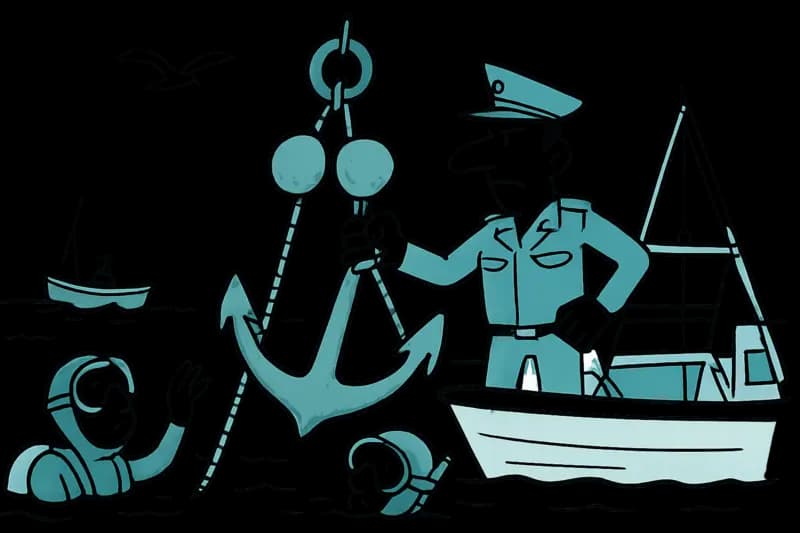
Divers from the Guardia Civil recovered a massive iron piece from Roman times off Mallorca's north coast. The roughly 35...

Who Benefits from the Half‑Hourly Flight on the Edge? Aena, Investments and the Island's Interests
Almost one billion euros is flowing into Son Sant Joan. The figures show the scale of investment and expected beneficiar...
Are the Balearic Islands the Southern Border of Europe? A Reality Check on Immigration
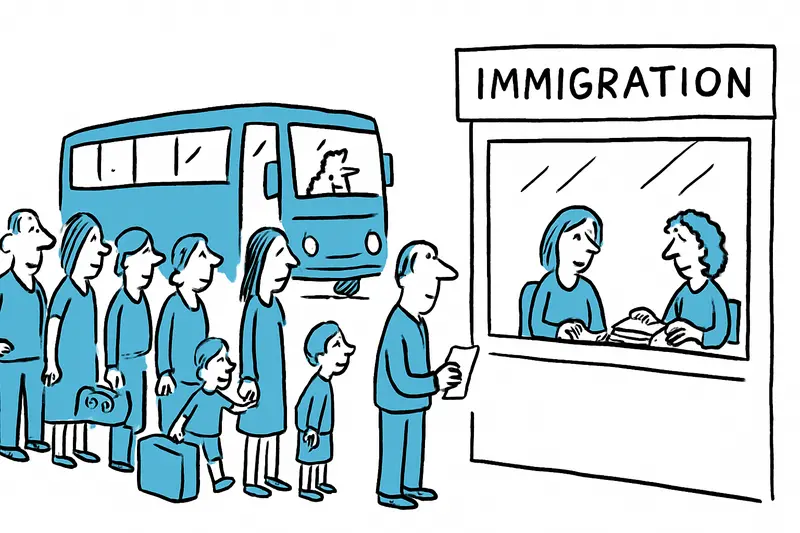
The Balearic Islands are again calling for EU aid after a sharp rise in arrivals by sea. Conflicting priorities between ...

"Expensive chaos" and many open questions: What clients can do when a lawyer suddenly stops responding
Several clients complain that a well-known German lawyer in Mallorca has been unreachable for months. Key question: What...
TV tip: 'The Last Problem' — Mallorca as the setting of a classic crime
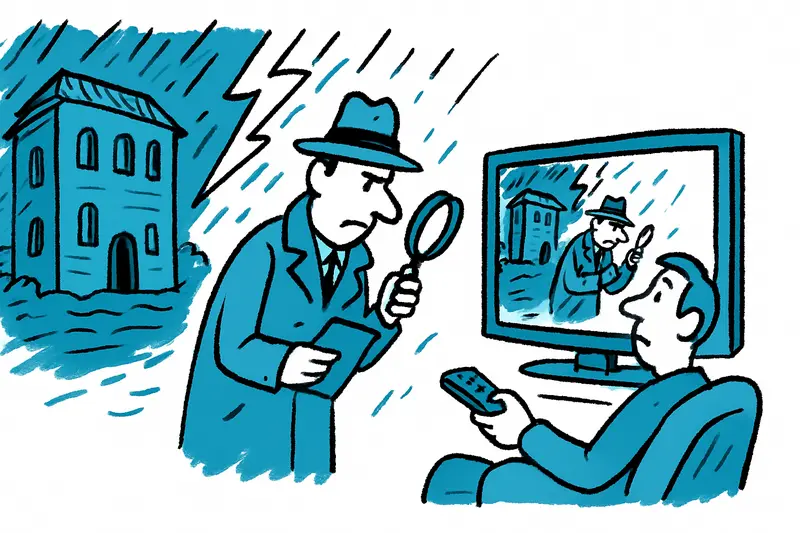
A classic whodunit on Mallorca: A new miniseries set in spring 1959 brings storm, an isolated hotel and a dense web of s...
More to explore
Discover more interesting content

Can Cap de Bou

Townhouse Lleo 72
